
How to Make Your Backyard Brats Snap Like a Real Deli
How to get bratwurst skin snappy is the question every backyard grill lover asks the moment they hear that crisp, clean bite at their favorite deli. The secret is not a mystery. It comes down to gentle heat, the right casing, and a simple poach then sear method. In this guide, Wilson Farm Meats shares trusted, step-by-step techniques so you can stop blowouts and mush and start serving bratwurst with true deli level snap. Why Bratwurst Snap Matters The snap is more than a sound. It is the thin, satisfying resistance of a well-cooked casing that gives way to
How to Eat Through a Half Cow in 6 Months Without Boredom
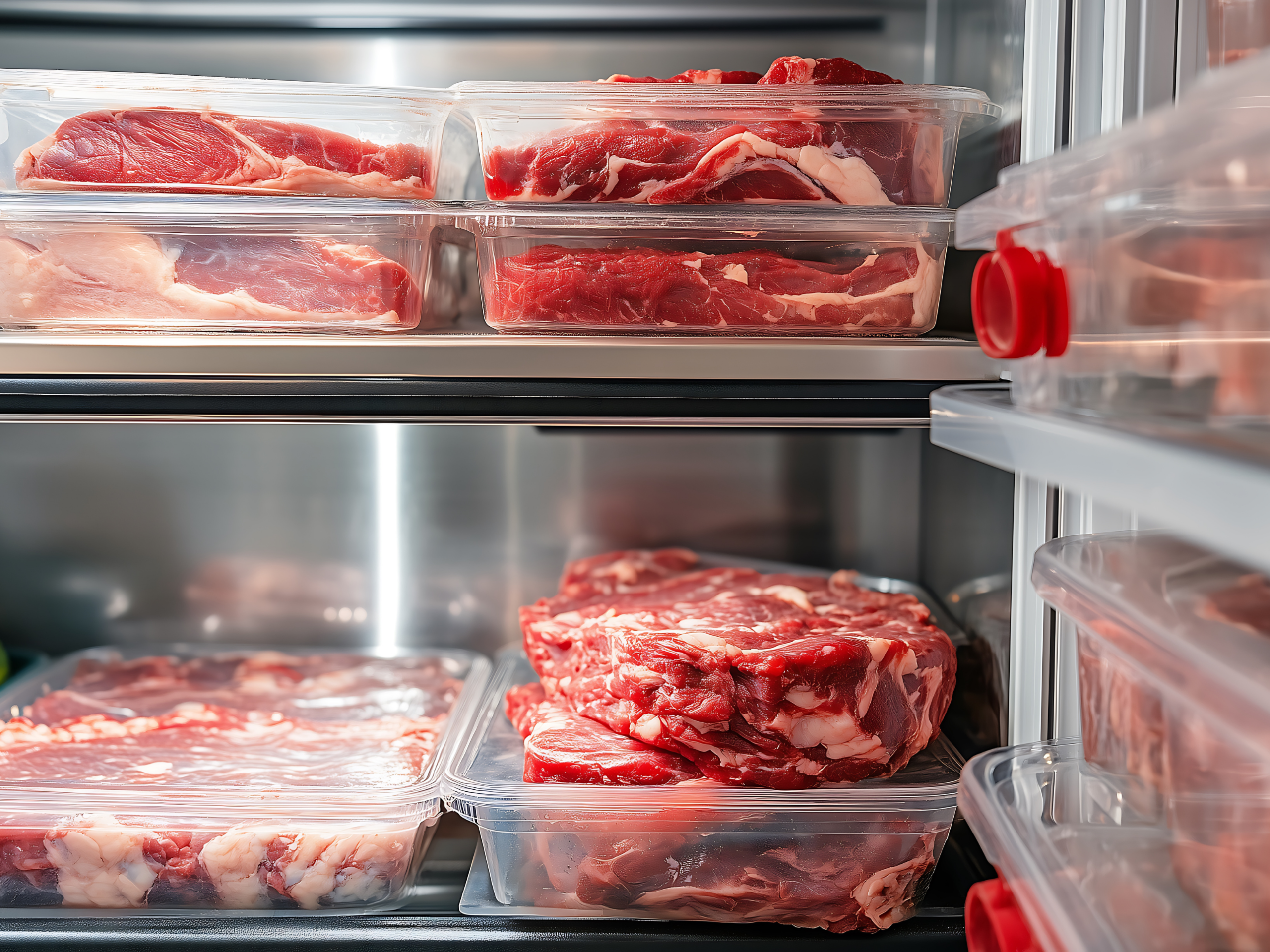
Welcome to your stress-free half beef meal planning guide Half beef meal planning made easy starts with good meat, clear steps, and a little creativity. If you have a freezer full of beef and you want to save money while keeping dinner exciting, you are in the right place. At Wilson Farm Meats in Elkhorn, Wisconsin, the Wilson family has spent more than 150 years raising and sourcing quality meat for families who care about flavor, value, and where their food comes from. This guide shows you how to enjoy every last steak, roast, and pound of ground beef

The Real Reason Your Home-Cooked Burgers Always Shrink
Why do burgers shrink so much? Discover the science behind shrinking patties and easy fixes, from fat ratios to heat and simple methods, so you can cook juicy, full-size burgers at home. If you love a backyard cookout but hate when your patty ends up smaller than the bun, you are not alone. At Wilson Farm Meats in Elkhorn, Wisconsin, we hear this question often. The good news is there is a simple reason behind it, and with a few smart tweaks, you can serve burgers that stay big, juicy, and full of flavor. What Makes
Why Thick-Cut Bacon Stays Flat While Cheap Bacon Curls
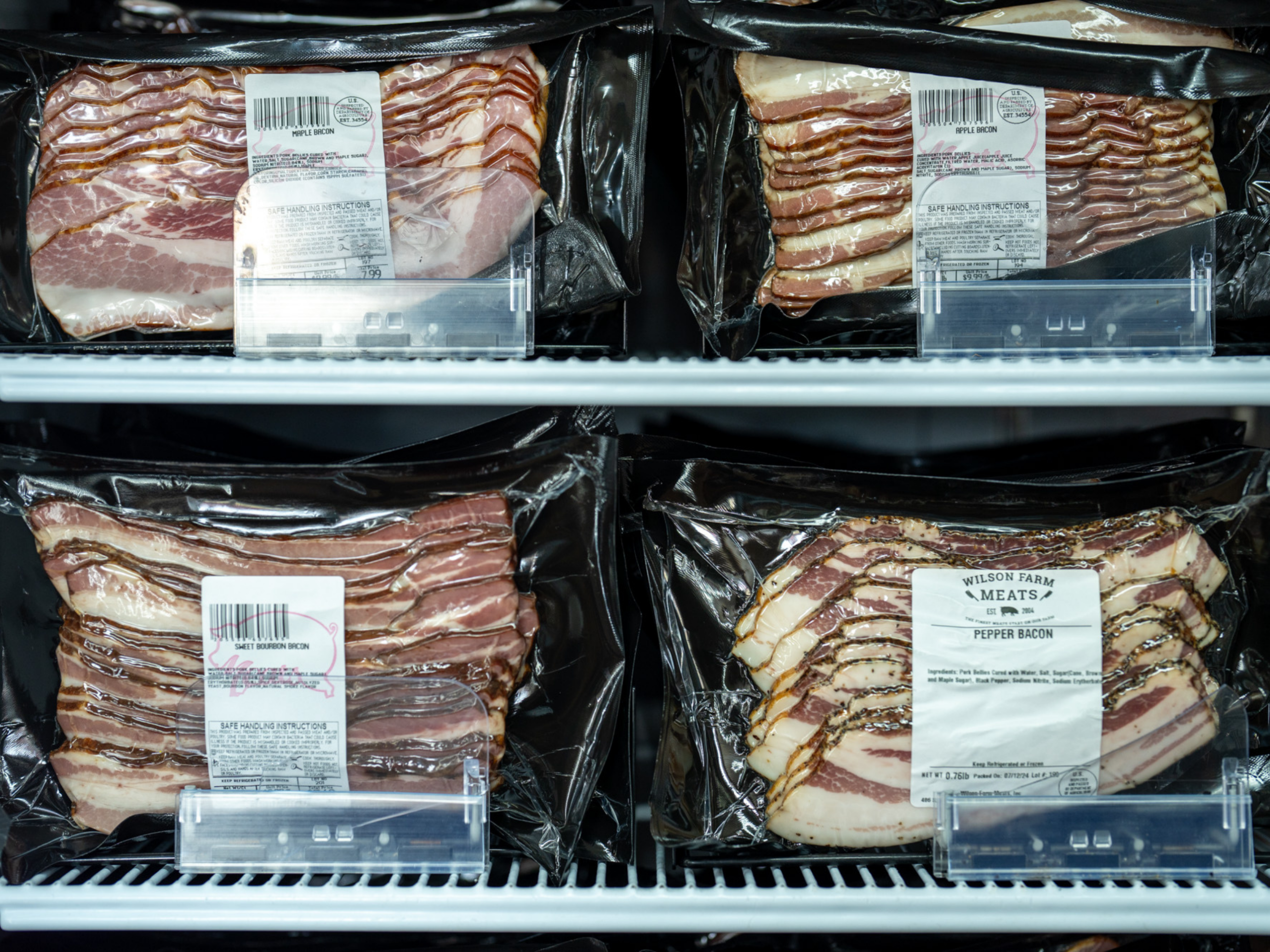
Meet the best bacon that doesn't curl and learn why it matters If you have ever watched bacon twist and buckle as it cooks, you know how frustrating it is to end up with wavy strips that will not sit on a sandwich. The best bacon that doesn't curl starts with better pork, a thoughtful cure, and smart cooking. In this guide, we explain why thick-cut bacon stays flatter, why cheaper bacon curls, how to pick quality slices, and exactly how to cook them. Along the way, we will share how Wilson Farm Meats in Elkhorn brings farm-to-table care
Is “Select” Grade Beef Actually a Waste of Your Money?
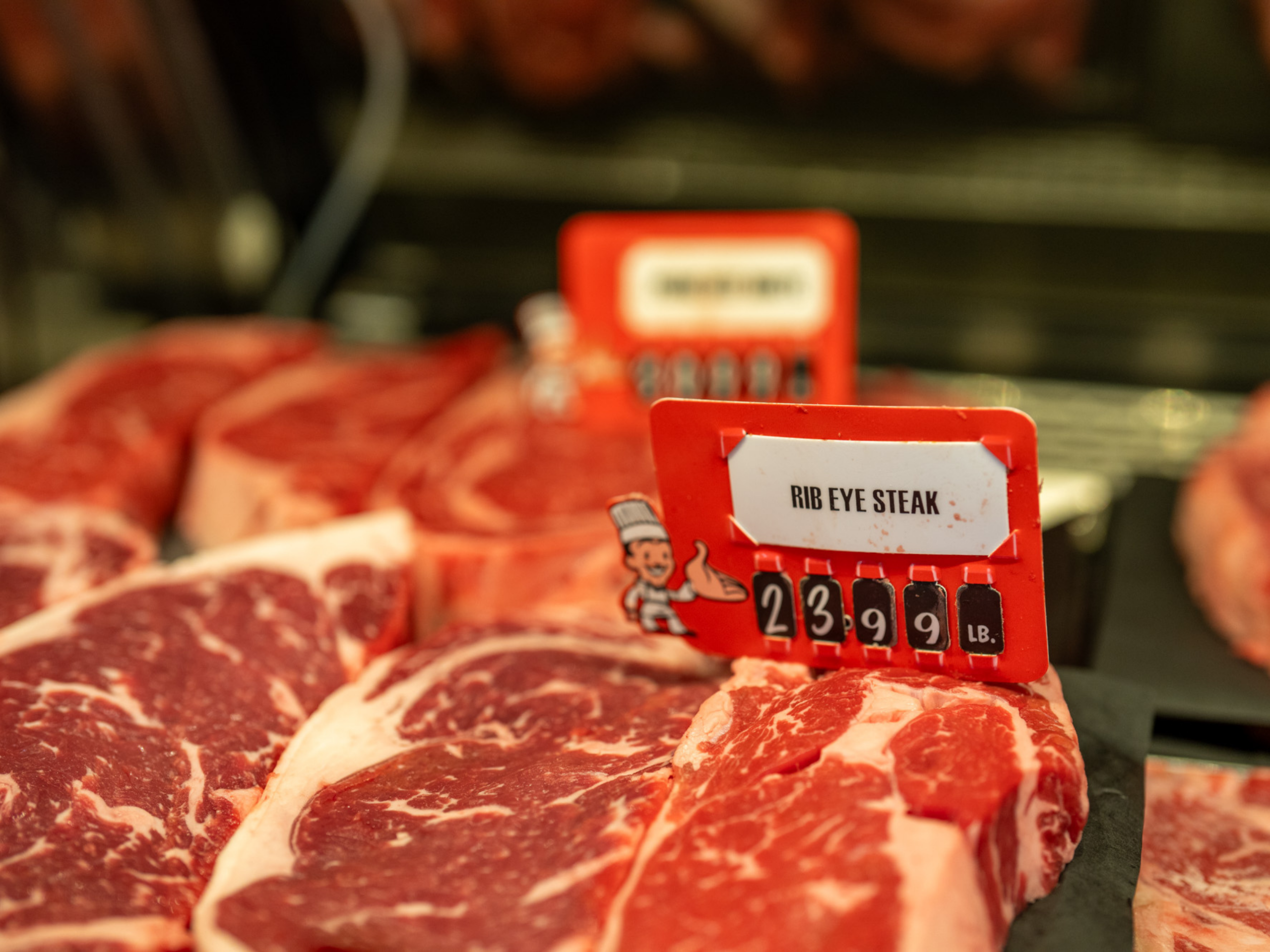
Beef grades explained for shoppers: the quick answer If you have ever stood in front of the meat case wondering if Select grade beef is a bargain or a letdown, you are not alone. Here is the honest answer in plain terms. Select is not a waste of money if you match the right cut with the right cooking method. It is leaner, so it can turn out a bit firmer and less juicy when grilled hot and fast, especially for thick steaks. But with slow, moist cooking, careful marinating, or by choosing naturally tender Select cuts, you can
Why Your Grocery Store Steak Leaks Red Liquid in the Pan
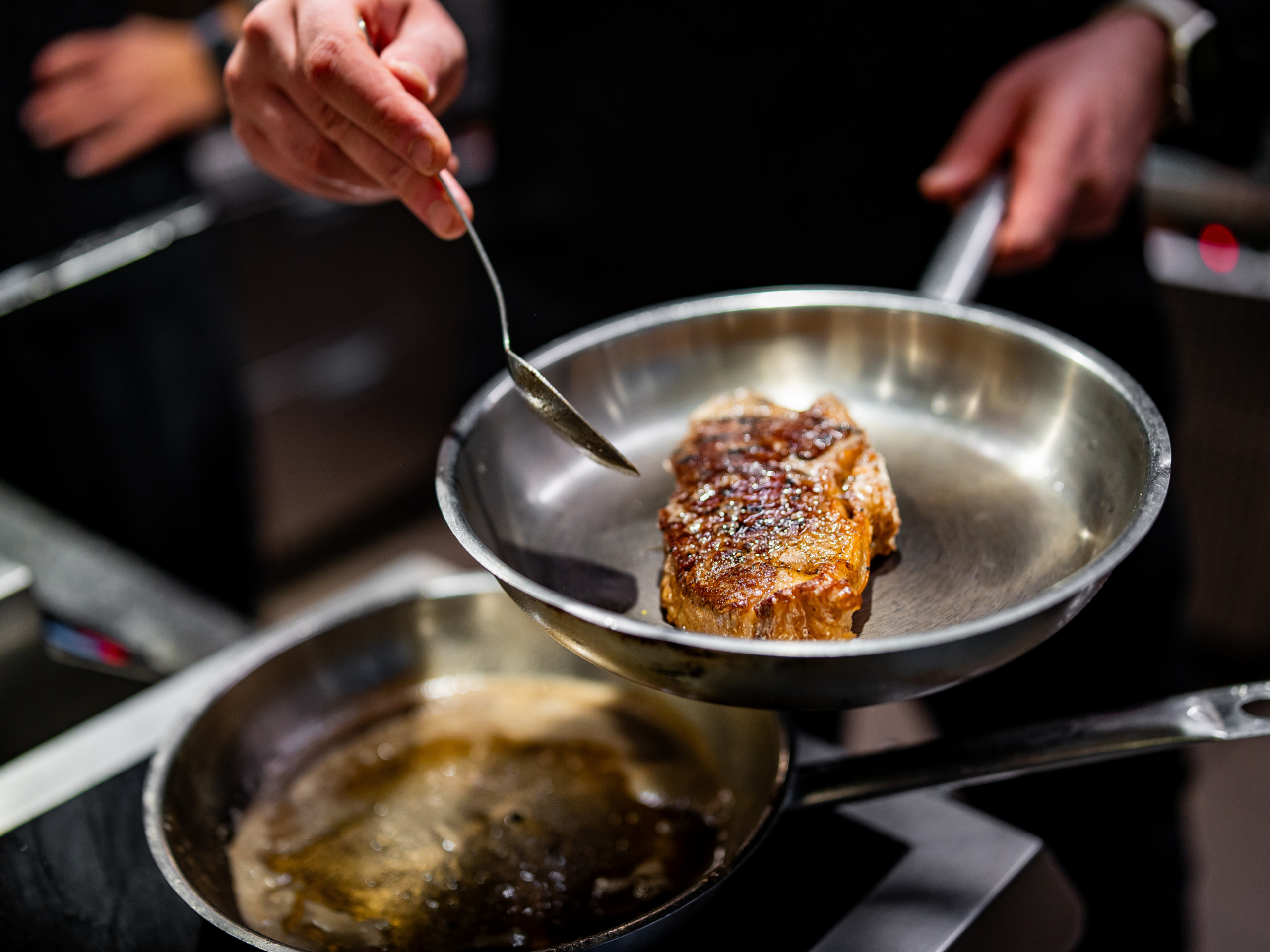
Quick Answer to a Common Kitchen Question Why is my steak bleeding in the pan? Short answer, that red liquid is not blood. It is mostly water mixed with a protein called myoglobin. Knowing this helps you cook with confidence and reduce the amount of liquid in your skillet. In this guide, Wilson Farm Meats explains what the liquid really is and shares step-by-step tips for juicier, better seared steaks at home. What the Red Liquid Really Is It Is Myoglobin, Not Blood Most of the red liquid you see is water tinted by myoglobin. Myoglobin
How to Get a Perfect Crust on a Thick-Cut Ribeye
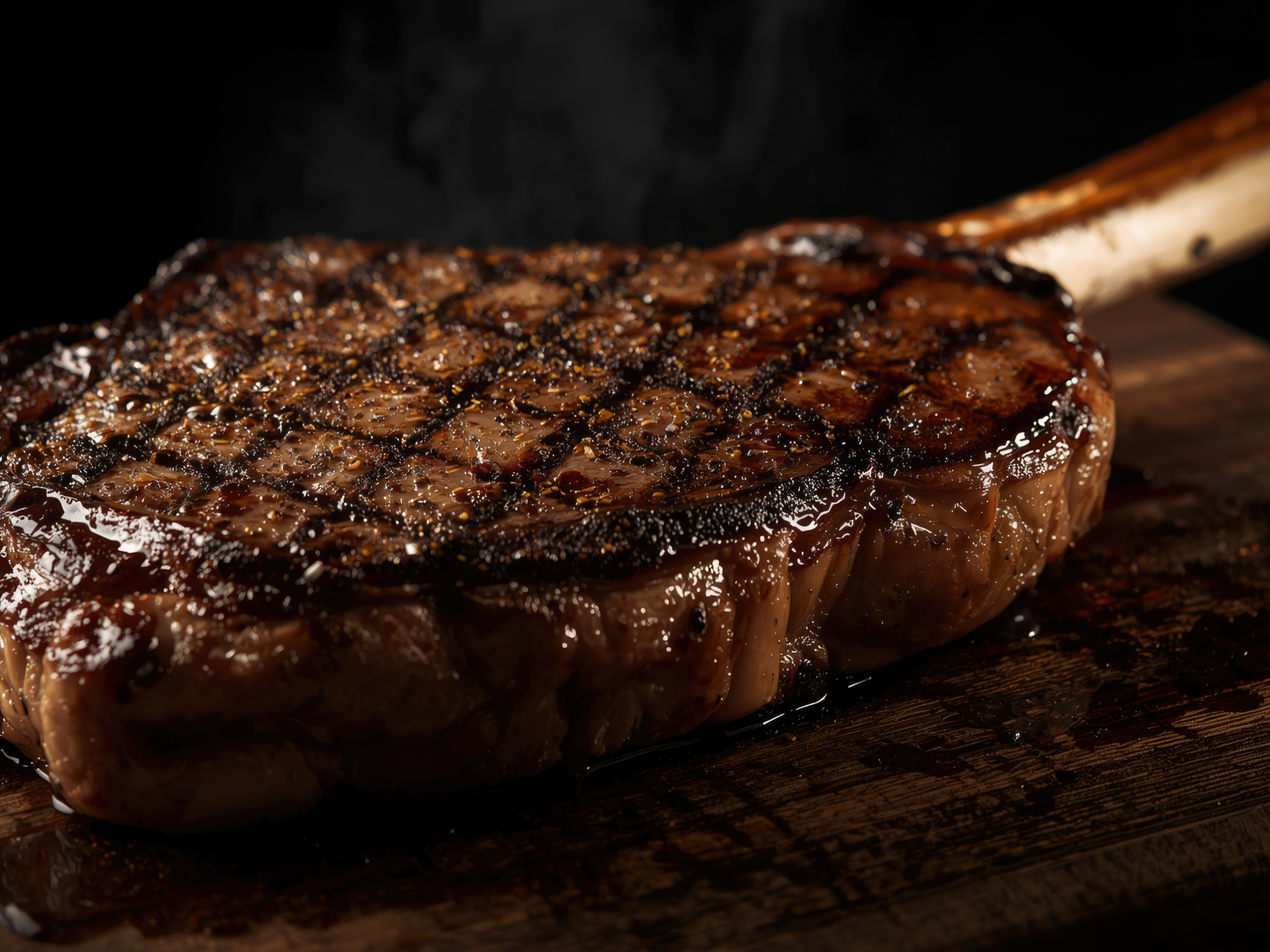
Why a Perfect Crust Matters If you crave a steakhouse-quality ribeye with a deep brown crust and a tender, juicy center, you are in the right place. Learning how to sear a thick steak is the key to getting both texture and flavor in every bite. That dark, savory exterior is the result of the Maillard reaction, which happens when high heat transforms the natural sugars and proteins on the surface of the meat. When done right, your ribeye will sing with flavor while the inside stays rosy and succulent. The good news is you can master this at
Why Is My Grocery Store Steak Turning Grey?
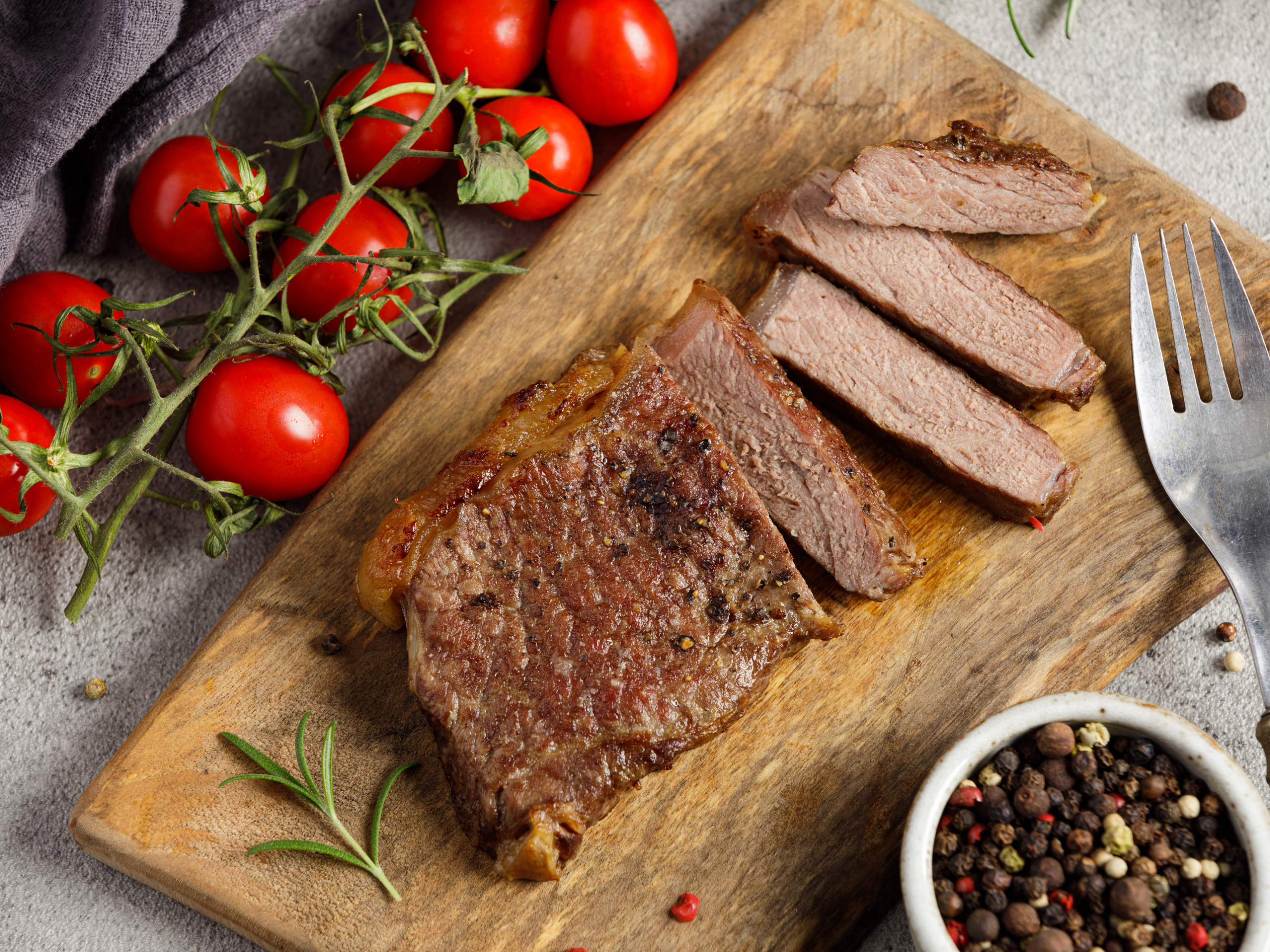
Worried About Grey Steak? You Are Not Alone If you have ever opened a package from the store and thought, why is my steak grey, you are not the only one. Color changes in beef can be confusing, and a dull grey surface can make even the best cut feel less appetizing. The good news is that grey does not always mean spoiled. In many cases it is a normal part of how beef reacts to oxygen, temperature, and packaging. In this guide, the team at Wilson Farm Meats in Elkhorn, Wisconsin shares what causes color changes, how to

Is a Quarter Beef Too Much for a Family of Two?
Thinking about buying a quarter cow for two people If you and your partner love to cook at home, stocking your freezer with local beef can feel like a smart and cozy move. But is a quarter beef practical for a household of two? The short answer is yes for many couples, and no for some. The better answer is to look closely at how much meat in a 1/4 beef you actually take home, which cuts you get, how much freezer space you need, and how long it will last based on your routine. At Wilson Farm Meats

Hanging Weight Vs Take Home Weight: Meat Processing
Hanging Weight vs Take Home Weight: What Those Terms Mean If you are buying a share of beef or pork from a farmer or scheduling custom processing, you will hear two phrases that shape your budget and your freezer plans. The first is hanging weight, which is the weight of the carcass after the animal is harvested and the hide, head, feet, blood, and organs are removed. The second is take home weight, sometimes called boxed weight or freezer weight, which is the total weight of the packaged cuts you bring home after trimming, deboning, cutting, and wrapping. Understanding