Why do burgers shrink so much? Discover the science behind shrinking patties and easy fixes, from fat ratios to heat and simple methods, so you can cook juicy, full-size burgers at home. If you love a backyard cookout but hate when your patty ends up smaller than the bun, you are not alone. At Wilson Farm Meats in Elkhorn, Wisconsin, we hear this question often. The good news is there is a simple reason behind it, and with a few smart tweaks, you can serve burgers that stay big, juicy, and full of flavor.
What Makes Burgers Shrink?
Burgers shrink because fat melts, water evaporates, and proteins tighten as the meat cooks. Heat changes the structure of ground meat quickly. The moment your patty hits a hot surface, two things happen fast. Juices begin to move outward and evaporate, and fat begins to liquefy and drip away. The result is a patty that contracts and loses volume. Understanding these changes helps you choose the right meat, form patties the right way, and cook with confidence.
Fat Renders and Melts
Fat is your friend for flavor and tenderness, yet it plays a big role in shrinkage. As a burger cooks, fat softens and runs out. An 80 to 20 beef blend often gives the best balance of juiciness and shape. A very fatty blend can shrink more because more liquid fat leaves the patty. On the flip side, a very lean blend can dry out and tighten, which also makes it smaller. The sweet spot is usually 80 to 20 for standard burgers and 75 to 25 for fast smash burgers. Talk with the team at Wilson Farm Meats about the best blend for your grill, pan, or griddle.
Water Evaporates Fast
Meat is mostly water. High heat makes that water turn to steam, and steam finds a way out. If your cooking surface is too hot or the patty is too thin, moisture escapes at a rapid pace and the burger contracts. The way you salt can change water loss too. Salt pulls moisture to the surface over time. If you mix salt into ground beef and let it sit, you may notice a springy texture and more shrinkage. Instead, try seasoning the outside of the patty right before it hits the heat.
Proteins Tighten as They Cook
As meat heats up, proteins unwind, link together, and squeeze out liquid. This causes the patty to firm and pull inward. That is why burgers puff into a dome in the middle and tighten around the edges. The center of the patty often cooks slower than the outside, which adds to the bulge. A simple thumbprint dimple in the center can help the burger stay flatter. The more you work the meat when forming patties, the tighter those proteins will be, and the more the burger may shrink. Keep handling light to protect tenderness and size.
Grind, Fat Type, and Temperature Matter
Coarser grinds hold structure better because there are visible pieces of meat and fat that render more slowly. A very fine grind can compact easily and tighten more during cooking. The type of fat matters too. Beef tallow melts at a higher temperature than some softer fats, which can help a patty hold shape a bit longer. Temperature is key before and during cooking. Chilled patties keep their structure during the first minute on the heat, which slows rendering and keeps diameter. Start with cold patties and a fully preheated surface for your best shot at less shrinkage.
Smart Fixes You Can Use Tonight
Pick the Right Grind and Fat Ratio
If you keep asking why do burgers shrink so much, start with your blend. For classic backyard burgers, aim for 80 to 20. If you love crusty smash burgers, a slightly richer blend like 75 to 25 helps you get that deep browning fast without drying. If you prefer a leaner option, 85 to 15 can work if you manage heat carefully and avoid overcooking. Wilson Farm Meats offers locally raised beef, custom ground to your preference. Our team can grind to your requested ratio, suggest cuts like chuck, brisket, or short rib blends, and portion packages to match your menu.
Shape for Success
- Form patties that are about a half inch larger than your bun. They will shrink to a perfect fit.
- Use a gentle touch. Handle the meat as little as possible to avoid compacting proteins.
- Make a shallow thumbprint dimple in the center of each patty to prevent doming.
- Weigh your patties for consistency. Try 5 to 6 ounces for standard burgers, 3 to 4 ounces for doubles or smash style.
- Chill formed patties for 20 to 30 minutes. Cold patties hold shape better on hot grates or a hot pan.
Season at the Right Time
Salt the outside of the patty just before it goes on the grill or pan. This keeps the surface flavorful while avoiding extra moisture loss from salting too early. If you plan to mix seasonings into the meat, keep it light and work the meat as little as possible. Skip mixing salt into the grind unless you are making a sausage style patty on purpose.
Cook with Controlled Heat
- Preheat the grill or skillet until very hot. A hot surface sears quickly, builds a crust, and keeps more juice inside.
- After a quick sear, manage heat. Move to medium or a cooler zone to finish without burning.
- Do not press the burger with a spatula. That squeezes out juice and speeds up shrinkage.
- Flip as you like. One flip or several quick flips can both work if you monitor temperature. Frequent flips can balance heat and reduce burning.
- Use a thermometer. For ground beef and ground pork, cook to 160 degrees Fahrenheit. For ground poultry, cook to 165 degrees. Pull a few degrees early and let carryover finish.
- Rest briefly. A short 2 minute rest lets juices settle without cooling too much.
Match Burger Style to Method
Smash burgers and thick pub burgers behave differently. Choose the right approach for the style you want.
- For smash burgers, use a hot griddle or cast iron. Smash within the first 30 seconds while the fat is still firm. Do not press again after the first minute. This style cooks fast, which limits total shrinkage time.
- For thick pub burgers, use a two zone setup. Sear on the hot side to build crust, then move to the cooler side to finish gently. This keeps the patty juicy and helps keep its size.
Choose the Right Bun and Build
Plan your bun size to match your patty. A potato or brioche bun toasts well and adds structure. Toast buns lightly to resist moisture. Add cheese near the end of cooking to help insulate the top. Stack smart with lettuce or a slice of tomato under the patty to keep the bottom bun from getting soggy. Sauce the bun after the burger rests to keep every bite balanced.
Answers to Common Questions
Why do burgers shrink so much on the grill compared to a pan?
On a grill, fat drips away through the grates and flare ups can spike the heat. Both increase moisture and fat loss. In a pan or on a griddle, some of that fat stays in contact with the patty, which can help it keep size and stay juicier. If you love grill flavor but want less shrinkage, use a two zone fire, start on the cooler side, and finish with a quick sear. Or use a preheated cast iron skillet right on the grates for a best of both worlds approach.
Is shrinkage a sign of poor quality meat?
Not always. All burgers lose fat and water as they cook. The blend, grind, and cooking method have the biggest impact. That said, freshly ground, well handled beef often cooks more evenly and keeps its shape better. At Wilson Farm Meats, we proudly offer locally raised beef and custom grinds. Ask our butchers for a blend that matches your cooking style and your favorite burger build.
Do frozen patties shrink more than fresh?
They can. Freezing forms ice crystals that can change the meat’s structure. When those crystals melt, they release water quickly, which can mean more shrinkage. For the best results, thaw patties in the refrigerator, pat them dry, and cook on a preheated surface. If cooking from frozen, expect a longer cook and a bit more size loss.
What about turkey, chicken, or pork burgers?
Lean poultry burgers do not drip as much fat, but their proteins still tighten, which can make them seem smaller and drier. Mix in a little oil or finely chopped sautéed onions for moisture, and cook to 165 degrees. For pork burgers, a heritage breed blend from Wilson Prairie View Farms can be rich and flavorful. An 80 to 20 grind works well. Cook ground pork to 160 degrees and rest briefly before serving.
The Wilson Farm Meats Difference
Wilson Farm Meats is a family-owned business in Elkhorn, Wisconsin, with more than 150 years of farming heritage. We believe great burgers start with great meat, raised with care and cut with skill. You can find us at 406 S. Wisconsin Street, Elkhorn, WI 53121. Our store hours are Monday to Friday, 8:00 am to 5:00 pm, and Saturday, 8:00 am to 2:00 pm. Whether you are planning a cookout for neighbors or dinner for your family, our team is here to help you choose the right grind and portion size so your burgers turn out just right.
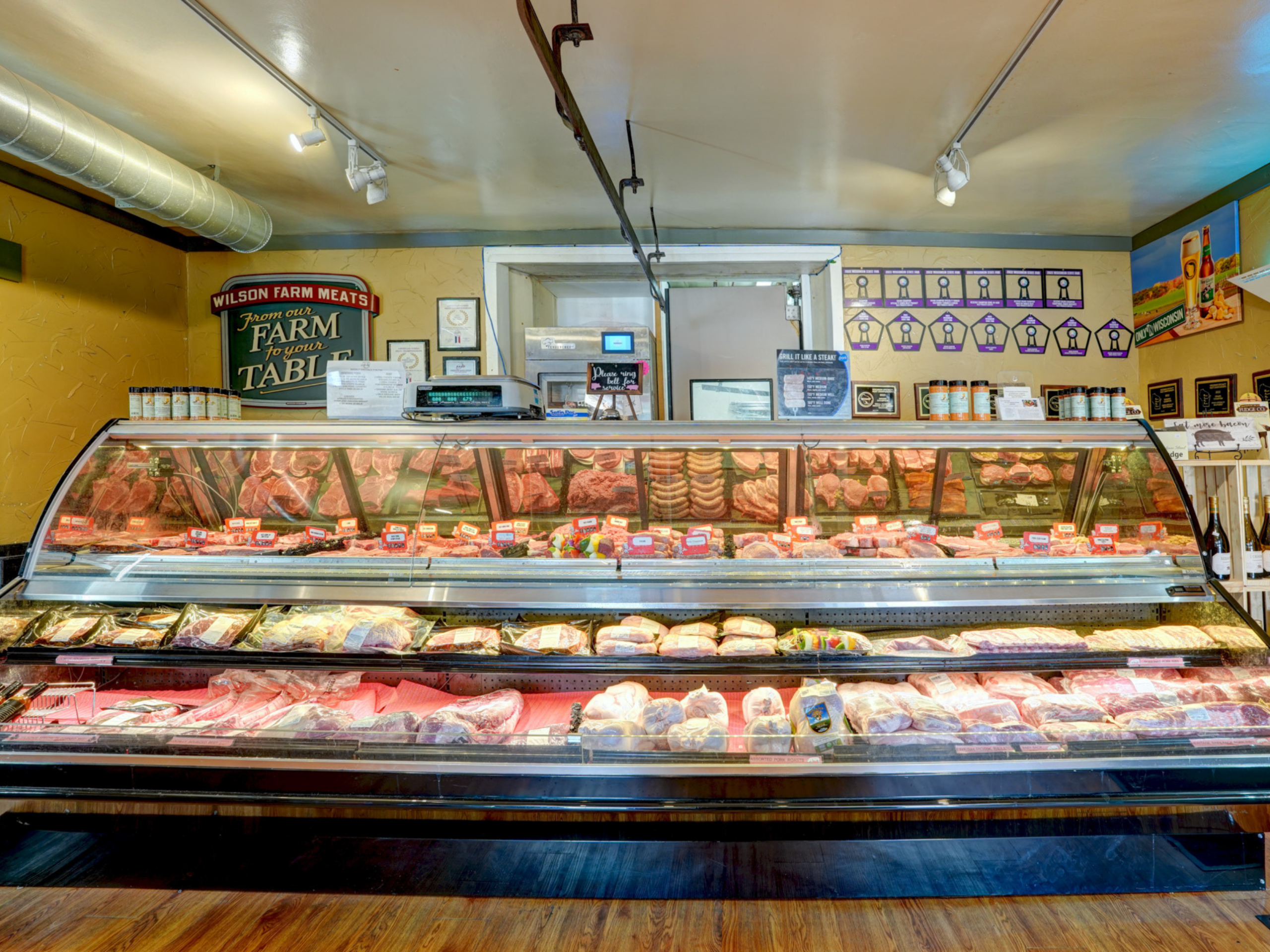
We offer a wide selection for every taste. Our pork comes from our own Wilson Prairie View Farms in Walworth County. These heritage breeds deliver standout flavor, perfect for pork burgers, brats, or a loaded breakfast sandwich. We also carry locally raised beef, custom cut to your preferences for freshness and quality. In addition, you will find fresh poultry and seafood, along with a beloved lineup of smoked specialties made in our Elkhorn facility. Come in for bacon, ham, bratwurst, wieners, summer sausage, liver sausage, and ring bologna. If you want to try something new, ask our team for pairing ideas, seasoning tips, or cooking times. We love helping our community cook better at home.
Wilson Farm Meats also offers custom processing for locally raised beef, pork, lamb, and veal. If you have a special request, we will do our best to accommodate it. Watch for our Yearly Pig Sale, weekly specials, and value boxes that make it easy to stock your freezer with quality meats at a great price. For more on our offerings, visit us in person or head to WilsonFarmMeats.com to see what is fresh this week.
Step-by-Step Burger Game Plan
- Choose your blend. For a classic, pick 80 to 20 ground beef. For smash style, go a little richer. Ask Wilson Farm Meats to grind fresh and portion for you.
- Divide and chill. Form loose balls, then chill for 15 minutes to keep fat firm.
- Shape with a dimple. Press into patties that are a half inch wider than your bun. Make a shallow thumbprint in the center.
- Preheat your surface. Heat a cast iron skillet or grill until hot. Oil lightly if needed.
- Season right before cooking. Salt and pepper the outside. Add any extra spices you like to the surface, not mixed in.
- Sear and manage heat. Sear for color, then move to medium heat or a cooler zone. Flip when the crust forms. Do not press with a spatula.
- Check temperature. Aim for 160 degrees for ground beef or pork, 165 degrees for poultry. Pull a few degrees early and rest for 2 minutes.
- Toast buns and build. Toast buns for texture. Add cheese near the end of cooking. Stack smart with condiments and crisp toppings.
- Serve and enjoy. Pair with a fresh salad, grilled corn, or your favorite chips.
Quick Troubleshooting Guide
- Patty puffed into a ball: Add a deeper thumbprint, flip more often, and use a two zone setup.
- Edges burnt but center underdone: Lower heat or finish on a cooler zone. Use a thermometer to avoid overcooking the outside.
- Dry and crumbly burgers: Increase fat ratio, handle the meat less, and avoid overcooking. Rest briefly before serving.
- Big diameter loss: Start with a patty wider than the bun, chill before cooking, and try a cast iron pan to retain more fat.
- Soggy buns: Toast buns, let the patty rest, and place a barrier like cheese or lettuce between the bun and burger.
Bring It Home
If you have been wondering why do burgers shrink so much, now you know it comes down to fat rendering, water loss, and protein tightening. With the right grind, a light touch, and steady heat, you can keep your patties juicy and nearly bun sized from start to finish. For the best results, start with quality meat. Wilson Farm Meats is proud to serve Elkhorn and the surrounding communities with locally raised beef, heritage pork, fresh poultry and seafood, and house-smoked favorites. Stop by our store at 406 S. Wisconsin Street, Elkhorn, WI 53121, Monday through Friday from 8:00 am to 5:00 pm and Saturday from 8:00 am to 2:00 pm. Our friendly team can help you pick the perfect blend, share cooking tips, and set you up for burger success. From our farm and partnering local farms to your table, we are here to make every cookout taste like home.