
Quick Answer to a Common Kitchen Question
Why is my steak bleeding in the pan? Short answer, that red liquid is not blood. It is mostly water mixed with a protein called myoglobin. Knowing this helps you cook with confidence and reduce the amount of liquid in your skillet. In this guide, Wilson Farm Meats explains what the liquid really is and shares step-by-step tips for juicier, better seared steaks at home.

What the Red Liquid Really Is
It Is Myoglobin, Not Blood
Most of the red liquid you see is water tinted by myoglobin. Myoglobin lives in muscle cells and carries oxygen. When it mixes with water and a little natural fat, it looks a lot like diluted blood, but it is not. Beef is processed so that nearly all blood is removed early on. What you observe in the package or pan later is largely water that escaped the muscle fibers, now colored by myoglobin.
Why It Looks So Red
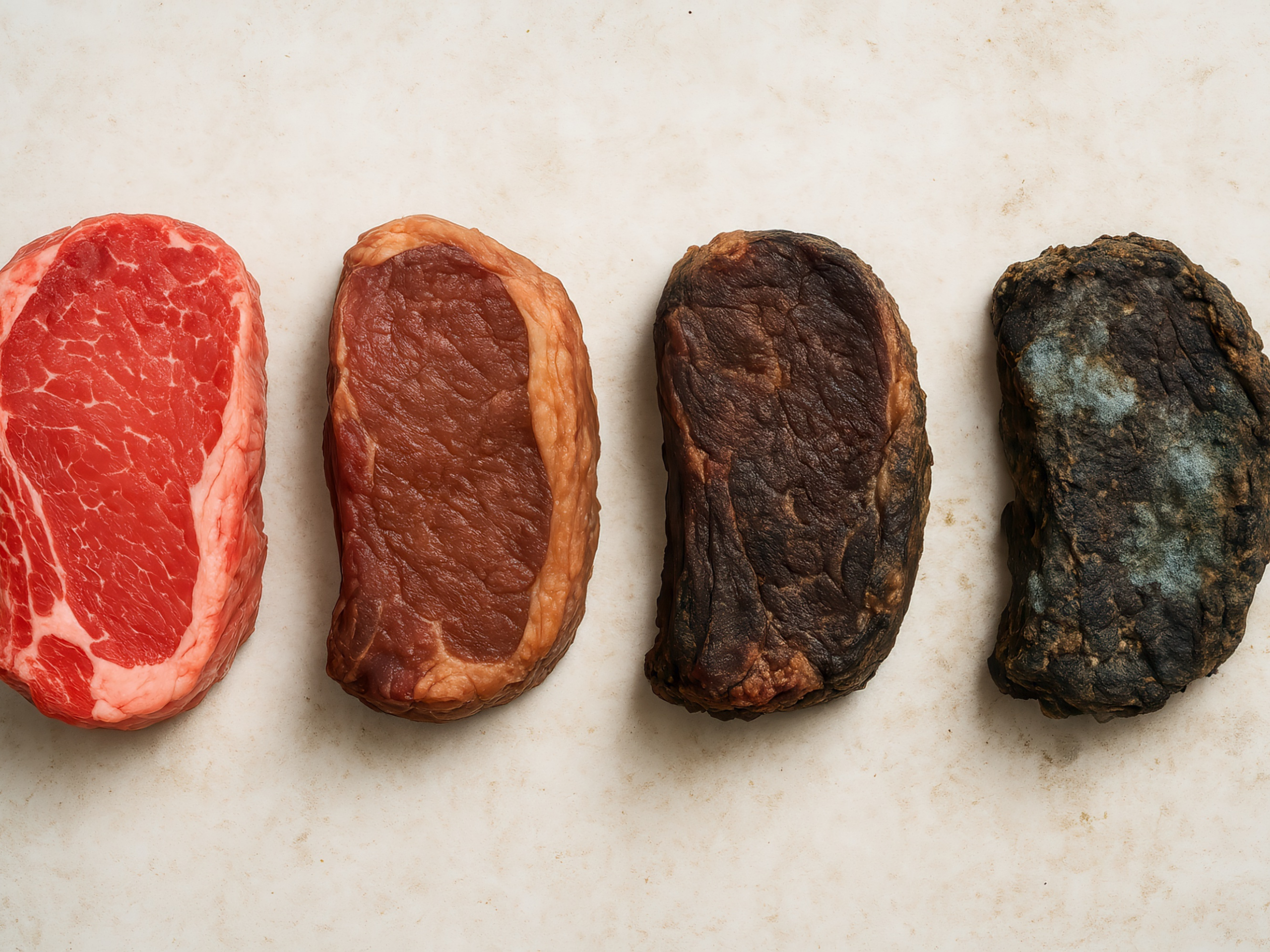
Myoglobin changes color based on oxygen and heat. In a vacuum package, it can look deep purplish. Once it meets air, it turns bright red. As the steak cooks, heat turns myoglobin darker and eventually brown. When those first drops hit your hot pan, they can look bright red against shiny oil or stainless steel. It is normal and safe.
Why Some Steaks Leak More Than Others
Even though all beef contains myoglobin and water, some steaks release more liquid into your pan. Here are the major reasons.
- Packaging and storage. Steaks packed in vacuum bags, known as wet aging, naturally release some purge when opened. That is water plus myoglobin collected during storage.
- Freezing and thawing. Ice crystals can rupture muscle cells. After thawing, more water escapes when you cook.
- Thickness and cut. Thin steaks heat through faster. Rapid heating pushes more moisture out before you build a good crust. Some cuts with looser grain purge more at first.
- Salt timing. Salting right before cooking draws surface moisture that ends up sizzling and steaming. Salting well in advance lets that moisture reabsorb.
- Starting temperature. Very cold centers push out liquid as heat moves inward fast. A small temper on the counter, within safe time, can help even out the cook.
- Pan heat and crowding. A pan that is not hot enough or is overcrowded will steam the surface. Moisture then pools instead of browning into a crust.
- Freshness and handling. Longer storage, mishandling, or temperature swings can raise purge even in quality beef.
How to Reduce the Red Liquid in the Pan
If you want less liquid and more sizzle, small changes in prep and technique pay off. The following steps are easy and reliable at home.
- Choose the right steak. Pick well-marbled cuts like ribeye, strip, or sirloin from a trusted local butcher. At Wilson Farm Meats in Elkhorn, our locally raised beef is custom cut, fresh, and handled with care. Fresher, well-marbled steaks tend to sear better and stay juicy.
- Open and drain package purge. If your steak is vacuum sealed, open it over the sink. Pat the steak completely dry with paper towels. Removing surface moisture is the fastest way to reduce pan liquid.
- Dry brine ahead. Salt both sides lightly and place on a wire rack in the fridge, uncovered, for 1 to 24 hours. This draws out moisture that then reabsorbs, seasoning the interior and helping the surface dry. If you only have 30 minutes, pat dry again before cooking.
- Bring the chill down a little. Let the steak rest at room temperature for about 20 to 30 minutes before cooking. Do not leave meat out for longer than 1 hour. A slight temper helps you achieve even doneness with less purging.
- Use the right pan and heat. Preheat a heavy skillet, cast iron, or carbon steel for 3 to 5 minutes over medium-high heat until it is very hot. A hot pan encourages fast browning, which limits how much moisture escapes.
- Add a thin layer of high smoke point oil. Canola, grapeseed, or clarified butter work well. You only need a light coating to help conduct heat.
- Do not crowd the pan. Give each steak at least an inch of space. If you are cooking for a group, sear in batches. Crowding cools the pan and leads to steaming.
- Sear, then flip only when it releases. Place the steak and let it develop a crust before flipping. When ready, it will release easily from the pan. Frequent flipping can be fine with a very hot pan, but beginners often get better results with one or two flips.
- Finish to target doneness without overcooking. Use a thermometer. Aim for 120 to 125 F for rare, 130 to 135 F for medium rare, 140 to 145 F for medium. Remember temperatures rise a bit during resting.
- Rest on a rack, not on a flat plate. Move the steak to a rack over a tray and rest 5 to 10 minutes. This prevents the bottom from steaming in its own juices and helps redistribute moisture.
Cooking Methods That Keep Steaks Juicy
Classic Pan Sear
This is the weeknight hero. Pat dry, season, hot pan, good sear, quick flip, butter and herbs near the end if you like, then rest. Keep the heat strong and the pan uncrowded.
Reverse Sear
Cook the steak in a 250 to 275 F oven until it is about 10 degrees below your target temperature. Then sear fast in a very hot pan to finish. Reverse sear limits purge since the gentle heat causes less fluid loss before you brown.
Grilling
Use two zones. Sear over hot direct heat, then finish over indirect heat. Keep the grill grate clean and preheated. Resist poking too much. Let the steak sear, then turn.
Sous Vide Plus Sear
Sous vide holds your steak at the exact temperature you want. After the water bath, pat very dry and sear hard for a minute or two per side. This method keeps juices inside and produces a steady sear without overcooking.
What To Do If Your Steak Still Pools Liquid
- Pour off excess moisture during cooking. Tilt the pan and spoon it out, then return to heat and continue searing.
- Increase heat a little. If the pan is not hot enough, raise the temperature and let it recover before the next flip.
- Add fat at the end, not the start. Finish with a little butter and herbs for flavor. Too much butter early can pool with moisture and slow browning.
- Switch to a drier cut or dry aged steak. Dry aged beef contains less water and often leaks less. Many local butchers, including Wilson Farm Meats, can help you choose cuts known for a cleaner sear.
- Change your salt timing. If you salted just before cooking and saw lots of surface moisture, try dry brining earlier, then patting dry.
Safe Storage and Thawing for Less Purge
Great cooking begins before you turn on the stove. Good storage and thawing reduce damage to the meat fibers and limit liquid loss.
- Store steaks cold. Keep them in the coldest part of your fridge and use within a few days of purchase.
- Freeze with care. Wrap tightly to limit ice crystal formation. Vacuum sealing helps.
- Thaw in the refrigerator. Slow thawing keeps cell damage low, which means less purge. Place the package on a tray to catch any liquid.
- Quick thaw safely. If you must thaw fast, submerge a sealed package in cold water, changing the water every 30 minutes. Cook right away after thawing.
- Avoid microwave thawing for premium steaks. It can start to cook the edges and increase purge.
Frequently Asked Questions
Why is my steak bleeding in the pan even though it was fresh?
That liquid is not blood, it is water with myoglobin. Even very fresh steaks can release some liquid, especially if they were vacuum packed or cooked in a pan that was not fully preheated.
Is the red liquid safe to eat?
Yes. It is safe to consume and can be used to make a pan sauce. If you prefer a cleaner sear, pour off excess moisture and continue browning.
Do some cuts leak less?
Dry aged steaks and thicker, well-marbled cuts often leak less and brown more evenly. Ribeye, strip, and sirloin are reliable choices. Wilson Farm Meats can help you pick the best cut for your style.
Should I salt right before cooking or much earlier?
Both work, but they behave differently. Salting at least 1 hour ahead, then patting dry, helps moisture reabsorb and improves searing. Salting right before cooking adds flavor but can draw surface moisture you will need to blot away.
What about marinades?
Acidic marinades can loosen muscle structure. Keep marinade times moderate and always pat very dry before cooking. If you want a deep brown crust, avoid very wet marinades on the surface.
How do I know my pan is hot enough?
Preheat for several minutes. A drop of water should skitter and evaporate on contact. Oil should shimmer. A properly preheated pan reduces sticking and limits purging.
What is the best target temperature for juicy steak?
For many home cooks, 130 to 135 F for medium rare gives a tender, juicy result. USDA guidance for whole muscle beef sets 145 F with a 3 minute rest as the safe benchmark. Choose based on your preference and safety comfort level.
How Wilson Farm Meats Helps You Cook a Better Steak
At Wilson Farm Meats, we hear the question why is my steak bleeding in the pan from many home cooks. We are a family-owned butcher in Elkhorn with more than 150 years of farming heritage, and we love sharing tips that make your meals better. We also believe the path to a beautiful sear begins with carefully raised, locally sourced meat.
Locally Raised Beef, Custom Cut for You
Our beef is locally raised and custom cut to your preferences. Whether you want a two-inch ribeye for reverse sear, a leaner sirloin for weeknights, or a thick strip steak for the grill, our team will cut to order so you get the exact thickness and trim you prefer. Freshness and careful handling help reduce excess purge and improve your results at home. Learn more at WILSONFARMMEATS.COM.
Heritage Pork From Our Own Farm
Our pork comes from Wilson Prairie View Farms in Walworth County. Heritage breeds are known for deep flavor and quality. If you want to practice pan searing without worrying about red liquid, try a thick pork chop. Properly dried and seasoned chops develop a beautiful crust and stay juicy, much like a good steak.
Poultry, Seafood, and Specialty Smoked Meats
We also offer a selection of fresh poultry and seafood, along with smoked favorites processed right in our Elkhorn facility. From bacon and ham to bratwurst, wieners, summer sausage, liver sausage, and ring bologna, our case is full of local favorites that bring comfort to the table.
Custom Processing and Community Specials
Wilson Farm Meats provides custom processing for locally raised beef, pork, lamb, and veal. If you have special requests, our team can help. We host community-focused events like the Yearly Pig Sale and we run weekly specials and value boxes so families can enjoy excellent meats at a great price. Watch WILSONFARMMEATS.COM for current offers.
Visit Our Elkhorn Store
We invite you to stop by and talk steaks with us. You will find Wilson Farm Meats at 406 S. Wisconsin Street, Elkhorn, WI 53121. Store hours are Monday to Friday 8:00 am to 5:00 pm and Saturday 8:00 am to 2:00 pm. Our team will help you select the right cut, thickness, and fat level for your recipe and answer cooking questions on the spot.
A Simple Step-By-Step Steak Plan
If you want a quick blueprint for a steak that sizzles without a puddle, try this plan next time.
- Pick a 1.25 to 1.5 inch thick ribeye or strip from Wilson Farm Meats. Ask for a fresh, well-marbled piece.
- At home, open the package, drain any liquid, and pat completely dry.
- Salt generously and place on a rack in the fridge for at least 1 hour. Overnight is even better.
- Before cooking, pat dry again and let it sit on the counter for 20 to 30 minutes while you preheat the pan.
- Heat a cast iron skillet over medium-high until very hot. Add a thin film of high smoke point oil.
- Sear the steak for 2 to 3 minutes. Flip once a good crust forms. Add a small knob of butter and herbs during the final minute if desired.
- Check temperature and remove at your target doneness.
- Rest on a rack for 5 to 10 minutes. Slice and serve.
Make a Quick Pan Sauce From the Fond
Do not let the browned bits go to waste. After you rest the steak, pour off any excess fat. Return the pan to medium heat. Add a splash of stock or wine and scrape up the fond. Swirl in a little butter, season to taste, and you have a rich sauce in minutes. If there is any red liquid from resting, you can whisk a spoonful into the sauce for extra flavor.
Putting It All Together
When you ask why is my steak bleeding in the pan, remember that you are seeing water and myoglobin, not blood. The liquid is normal and safe, but you can control it. Start with a great steak, handle it with care, dry brine when you can, preheat your pan, and let the crust form before flipping. Rest on a rack and slice to show off that perfect interior. If you ever want personal tips, stop into Wilson Farm Meats in Elkhorn. Our family has been part of the local farming community for generations, and we are proud to help you enjoy a true farm-to-table meal. Visit WILSONFARMMEATS.COM to see our beef, pork, poultry, seafood, and smoked specialties, and check weekly specials and events. With the right cut and a few simple steps, your next steak will sizzle, not swim.