Why a Perfect Crust Matters
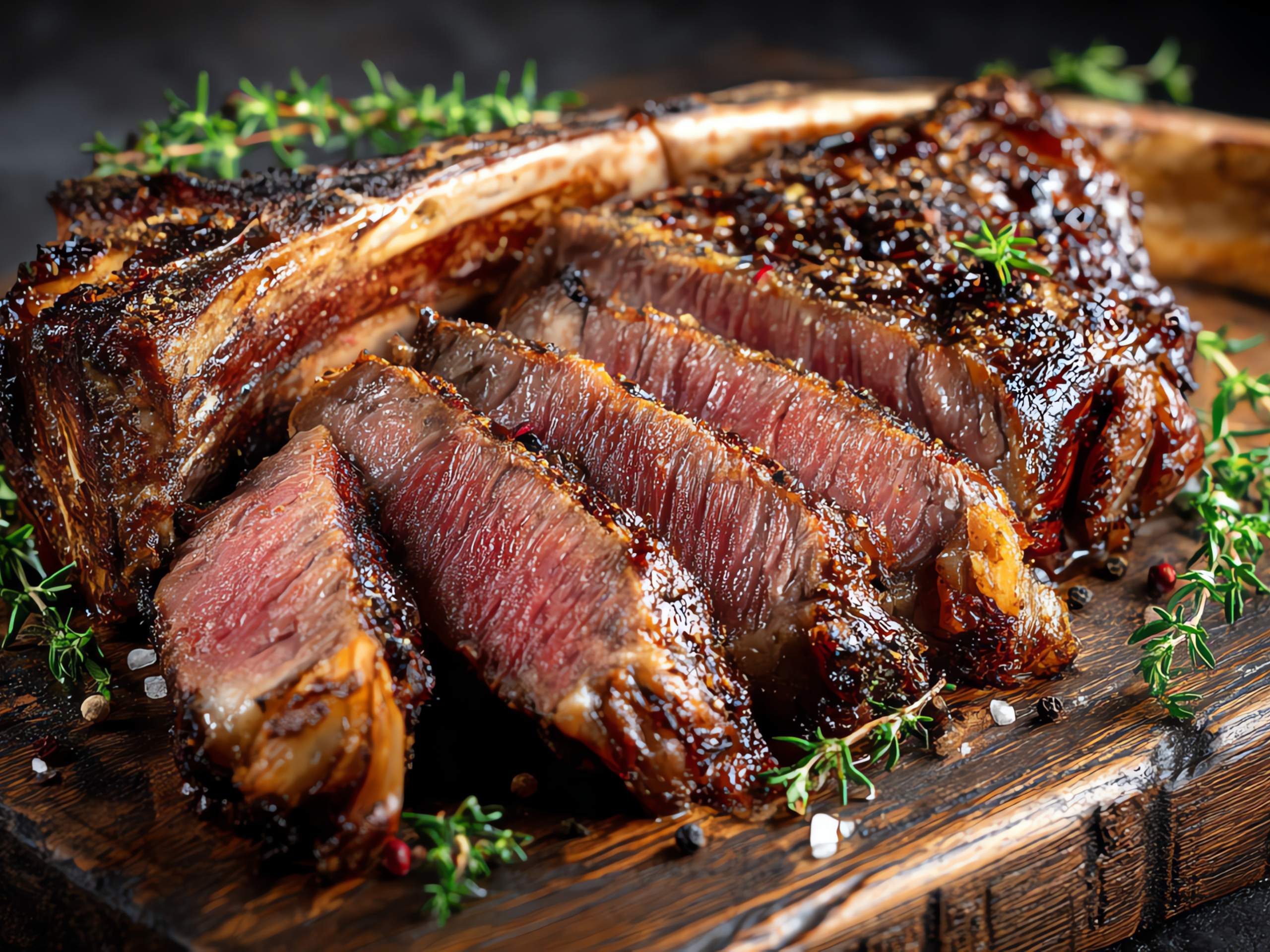
If you crave a steakhouse-quality ribeye with a deep brown crust and a tender, juicy center, you are in the right place. Learning how to sear a thick steak is the key to getting both texture and flavor in every bite. That dark, savory exterior is the result of the Maillard reaction, which happens when high heat transforms the natural sugars and proteins on the surface of the meat. When done right, your ribeye will sing with flavor while the inside stays rosy and succulent. The good news is you can master this at home tonight with a few simple steps, a hot pan, and great beef from a trusted local source like Wilson Farm Meats.
Start With the Best Beef
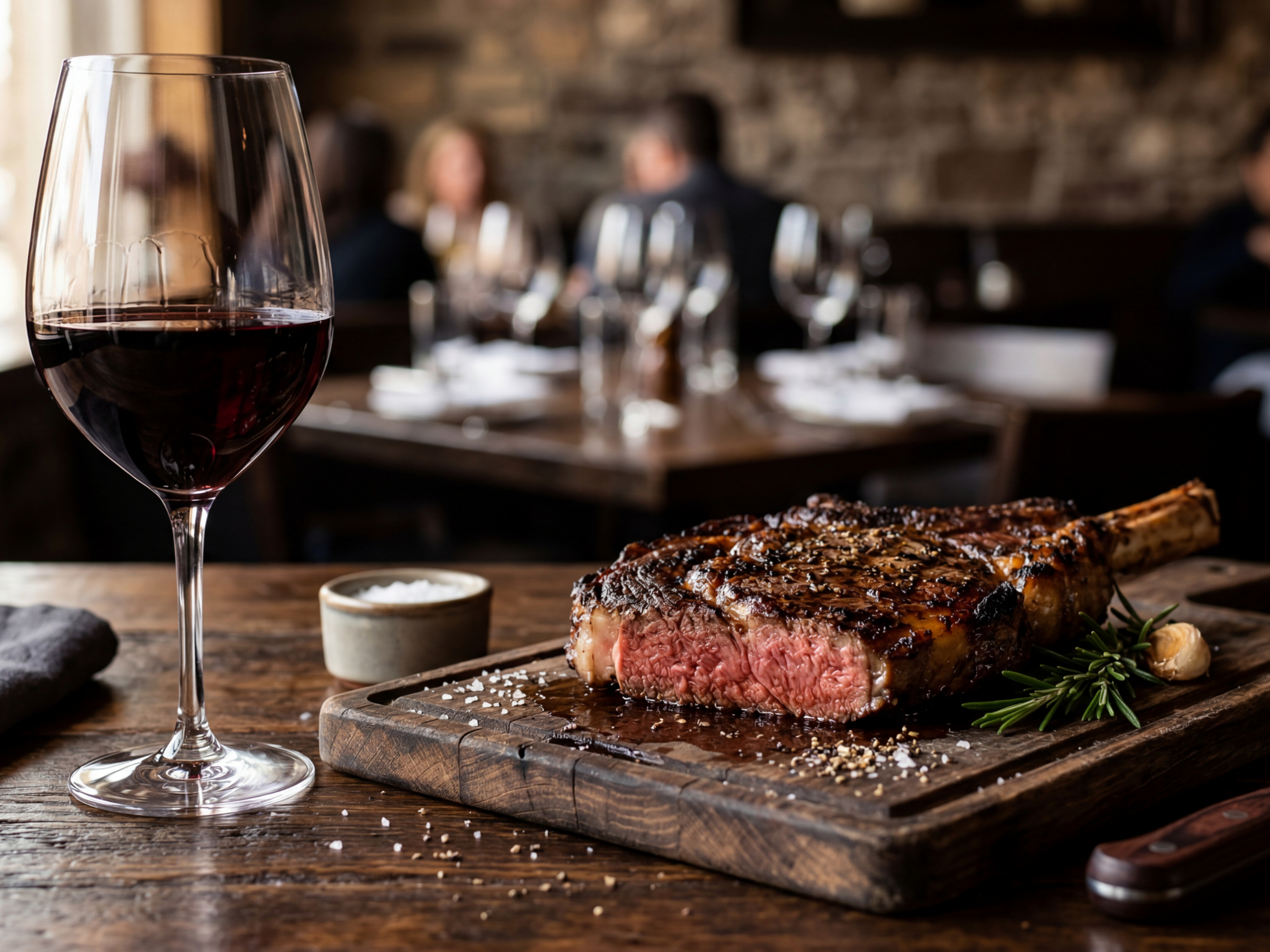
Great searing begins before your steak hits the pan. Thick-cut ribeyes from Wilson Farm Meats are locally raised and custom cut to your preference, which means you get fresh, well-marbled beef that sears beautifully. That rich marbling melts during cooking and helps create a crisp crust while keeping the interior moist. If you want to know how to sear a thick steak like a pro, choose a steak that is at least 1.5 to 2 inches thick, dry to the touch, and evenly marbled. A bone-in ribeye also holds heat well and adds flavor.
Tools and Ingredients You Need
Having the right tools sets you up for success. You do not need a fancy kitchen to cook an incredible ribeye. You only need attention to heat and a few basics.
- Heavy pan: Cast iron or a thick stainless steel skillet holds heat and gives you that hard sear.
- High-heat oil: Use avocado, canola, or refined peanut oil. Olive oil can burn at high temps.
- Butter: For basting during the final minute of searing.
- Aromatics: Fresh thyme or rosemary, and a couple of crushed garlic cloves.
- Salt and pepper: Use kosher salt and freshly cracked black pepper.
- Instant-read thermometer: The most reliable way to hit your target doneness.
- Tongs: For flipping and holding the steak while searing the sides.
- Sheet pan and wire rack: Helpful if you use the oven or reverse sear.
Prep: Dry Brine and Tempering
Professional results often come from small details. Simple prep steps help you build a better crust and a juicier interior.
Dry brine the steak
Pat the ribeye dry, then season all sides with kosher salt 1 hour to 24 hours before cooking. Place it uncovered on a rack in the fridge. Dry brining seasons the meat throughout and draws surface moisture away, which helps your crust brown faster. When you are ready to cook, pat the steak dry again to remove any dampness. Add black pepper just before searing so it does not burn.
Bring to cool room temperature
Let the steak sit out for about 30 minutes while you preheat. This helps it cook more evenly. Avoid leaving meat out for longer than 1 hour. Your goal is not to warm it all the way through, just to take off the fridge chill.
How to Sear a Thick Steak: The Reverse Sear Method
If you want a deep crust and a perfectly even center, the reverse sear is the most reliable technique. You slowly bring the steak to a few degrees below your target temperature in a low oven, then finish with a hard sear in a ripping hot pan. Here is how to sear a thick steak using this method.
- Preheat the oven to 250 to 275 degrees F. Place a wire rack over a sheet pan.
- Pat the steak dry. If you dry brined, it is already seasoned. Add black pepper now.
- Cook low and slow. Set the ribeye on the rack and place it in the oven. Insert a thermometer probe if you have one. For medium rare, pull the steak when it reaches 115 to 120 degrees F. This usually takes 20 to 35 minutes depending on thickness.
- Heat the pan until smoking hot. Set a cast iron skillet over high heat for 3 to 5 minutes. Add a thin film of high-heat oil and let it shimmer.
- Sear the first side. Place the steak in the pan and do not move it for 60 to 90 seconds. You are looking for a deep brown crust.
- Flip and sear the second side. Sear for another 60 to 90 seconds. If the pan looks dry, add a bit more oil.
- Butter baste. Reduce heat to medium high. Add 1 to 2 tablespoons of butter, a few thyme sprigs or a rosemary sprig, and 2 crushed garlic cloves. Tilt the pan and spoon the foaming butter over the steak for 30 to 60 seconds.
- Sear the edges. Use tongs to hold the steak on its sides for 10 to 15 seconds per edge, especially the fat cap, until browned.
- Check the temperature. For medium rare, aim for 125 to 130 degrees F after searing. The temperature will rise a few degrees as it rests.
- Rest and slice. Rest on a rack or cutting board for 5 to 10 minutes so juices redistribute. Slice against the grain and serve.
The Sear-Roast Method for Busy Nights
Short on time and still want that crust? Try sear-roast. This flips the order of the reverse sear and still gives you great results.
- Preheat the oven to 400 degrees F.
- Heat a cast iron skillet over high heat and add a thin layer of oil.
- Sear the steak on the first side for 2 minutes without moving it. Flip and sear the second side for 1 to 2 minutes.
- Move the skillet to the oven. Roast until the steak hits your target temp. For medium rare, that is typically 5 to 8 more minutes, depending on thickness and starting temp.
- Butter baste in the last minute or right after removing from the oven. Add butter, herbs, and garlic to the pan and spoon over the steak.
- Rest for 5 to 10 minutes. Slice and enjoy.
Butter Basting the Right Way
Butter adds flavor and helps brown the surface quickly, but timing matters. Add butter once the steak already has a crust so it does not burn. Aromatics like thyme, rosemary, and garlic infuse the butter with a rich, savory note. Keep the pan slightly tilted so you can spoon the foamy butter over the top. Move fast but stay in control. Thirty seconds to a minute is usually enough for a thick ribeye.
Timing, Temperatures, and Doneness
Knowing when to pull your steak is essential. Use an instant-read thermometer for accuracy.
- Rare: Pull at 120 degrees F. Finish temp about 125 degrees F.
- Medium rare: Pull at 125 to 130 degrees F. Finish temp about 130 to 135 degrees F.
- Medium: Pull at 135 degrees F. Finish temp about 140 degrees F.
- USDA guidance: 145 degrees F with a 3-minute rest for whole-muscle beef.
If you like your steak medium rare, stop cooking a few degrees early. Carryover heat during the rest will raise the temperature by 3 to 5 degrees.
Seasoning Ideas That Do Not Fight the Crust
Salt and pepper deliver classic steakhouse flavor and help build a better crust. If you want to branch out, use blends that resist burning and apply them just before searing.
- Simple steak rub: 2 parts kosher salt, 1 part coarse black pepper, 1 part garlic powder, a pinch of paprika.
- Herb finish: Finely chop parsley and chives. Sprinkle over the sliced steak with flaky salt.
- Compound butter: Mix softened butter with minced garlic, chopped thyme, lemon zest, and a pinch of salt. Chill and slice over hot steak.
Common Mistakes to Avoid
Learning how to sear a thick steak is as much about avoiding pitfalls as it is about steps and timing. Keep these in mind.
- Wet steak, weak crust: Moisture is the enemy of browning. Always pat dry.
- Pan not hot enough: If the oil is not shimmering, wait. You want a sizzling sound on contact.
- Too much flipping: Let each side sear undisturbed to lock in a deep crust.
- Overcrowding the pan: One steak at a time for thick cuts. Crowding cools the pan and steams the meat.
- Skipping the rest: Resting helps the juices settle. Slice too soon and you will lose moisture.
- Using low-smoke oil too early: Butter or extra virgin olive oil will burn if used at the start. Save butter for basting at the end.
- Guessing doneness: A thermometer takes out the guesswork and protects your investment.
Resting, Slicing, and Serving
Rest your steak on a rack or board so air can circulate and the crust stays crisp. Five to ten minutes does the trick for a thick-cut ribeye. Slice against the grain for the most tender bite. Spoon over any pan juices or a coin of compound butter. Serve right away while the crust remains crisp.
Perfect Sides for a Ribeye Night
Round out your steak with sides that fit your style. If you are picking up dinner from Wilson Farm Meats in Elkhorn, consider browsing the fresh produce and specialty items nearby to complete your plate.
- Roasted potatoes with rosemary and garlic.
- Charred asparagus with lemon.
- Creamed spinach or garlicky sautéed green beans.
- Grilled corn tossed with butter and chives.
- Simple salad with a bright vinaigrette to cut through the richness.
Why Wilson Farm Meats Makes a Difference
At Wilson Farm Meats, quality starts on the farm and shows up on your plate. Our family-owned business in Elkhorn, Wisconsin, has served the community for more than 150 years. We believe that knowing your butcher and your farmer leads to better food and a stronger community. When you pick up a thick-cut ribeye here, you get locally raised beef, custom cut to your preference for freshness and consistency. Whether you prefer a 1.5-inch boneless ribeye or a showstopping bone-in cut, our team will help you choose the right steak for your cooking method.
Looking for more than beef? Our heritage breed pork comes from our own Wilson Prairie View Farms in Walworth County. The flavor and quality are outstanding for chops, roasts, and slow-cooked dishes. We also carry a curated selection of poultry and seafood for every occasion. If you love smokehouse favorites, do not miss our bacon, ham, bratwurst, wieners, summer sausage, liver sausage, and ring bologna, all processed at our Elkhorn facility. Everything reflects our farm-to-table philosophy and our commitment to doing things the right way.
Custom Processing and Community Specials
Beyond the butcher case, Wilson Farm Meats offers custom processing for locally raised beef, pork, lamb, and veal. If you have special requests or want to stock your freezer the way you like to cook, we are here to help. We also host annual events like our Yearly Pig Sale and run weekly specials and value boxes to make high-quality meats more accessible for families in our community. We are proud of these traditions because they bring people together around good food.
Visit Us in Elkhorn
We love helping customers learn how to sear a thick steak, choose the right cut, and plan a great meal. Stop by and talk with our team, pick up a ribeye, and head home ready to cook with confidence.
- Wilson Farm Meats
- 406 S. Wisconsin Street, Elkhorn, WI 53121
- Hours: Monday to Friday 8:00 am to 5:00 pm, Saturday 8:00 am to 2:00 pm
- Website: WILSONFARMMEATS.COM
Troubleshooting: Quick Answers to Common Questions
How do I know my pan is hot enough?
Heat your cast iron skillet on high for 3 to 5 minutes. Add a small splash of high-heat oil. If the oil thins out fast and shimmers, you are ready. You should hear a loud sizzle when the steak touches the pan.
Should I use a marinade?
Marinades can add flavor but often add moisture that fights browning. For a thick-cut ribeye, dry brining with salt is enough. Finish with compound butter or a sprinkle of flaky salt to enhance flavor without softening the crust.
Can I sear on a grill?
Yes. Use a two-zone fire. Sear directly over the hottest coals or burners, then move to the cooler side to finish to temp. For a reverse sear on the grill, start the steak on the cooler side until it reaches 115 to 120 degrees F, then sear over high heat for a minute per side.
Do I need to oil the steak or the pan?
You can do either. Oiling the pan gives even coverage and reduces smoke. If you oil the steak, use just a light coat. The key is to avoid excess oil that can burn.
What if my smoke alarm goes off?
High heat means some smoke is normal. Open a window, turn on the vent fan, and keep going. Using a high-smoke oil and adding butter only at the end helps reduce smoke.
Putting It All Together
Now that you know how to sear a thick steak, you can create a steakhouse-level crust at home any night of the week. Start with a quality ribeye from Wilson Farm Meats. Dry brine to season deeply and dry the surface. Use a heavy skillet and high heat to build that mahogany crust. Butter baste at the end with thyme, rosemary, and garlic. Rest before slicing so every bite is juicy and tender. With these steps, your thick-cut ribeye will be the star of the table, whether it is a quiet weeknight or a special celebration.
When you are ready to cook, visit us in Elkhorn for friendly guidance, custom cuts, and everything you need to make dinner special. From local beef to heritage pork, from poultry and seafood to smoked favorites, Wilson Farm Meats is here to help you cook with confidence and bring farm-to-table quality to your kitchen. Your perfect crust is waiting.