Beef grades explained for shoppers: the quick answer
If you have ever stood in front of the meat case wondering if Select grade beef is a bargain or a letdown, you are not alone. Here is the honest answer in plain terms. Select is not a waste of money if you match the right cut with the right cooking method. It is leaner, so it can turn out a bit firmer and less juicy when grilled hot and fast, especially for thick steaks. But with slow, moist cooking, careful marinating, or by choosing naturally tender Select cuts, you can get great flavor at a better price. For splurge-worthy, buttery steaks, Choice and Prime usually win. For value roasts, stews, and lean meals, Select can be a smart buy. In this guide, you will find beef grades explained for shoppers so you can pick with confidence and cook with success.
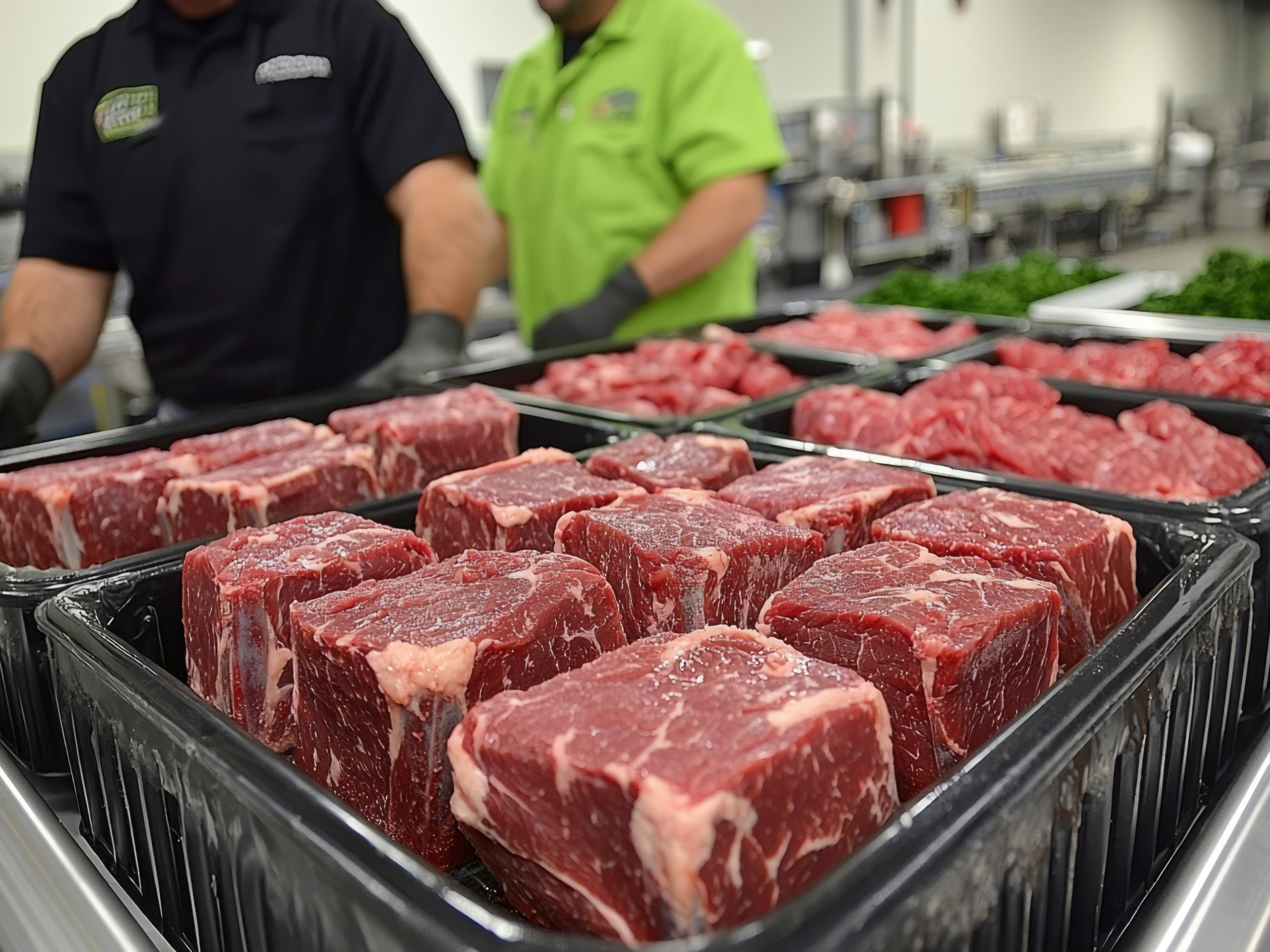
How USDA grades work
Quality grades at a glance
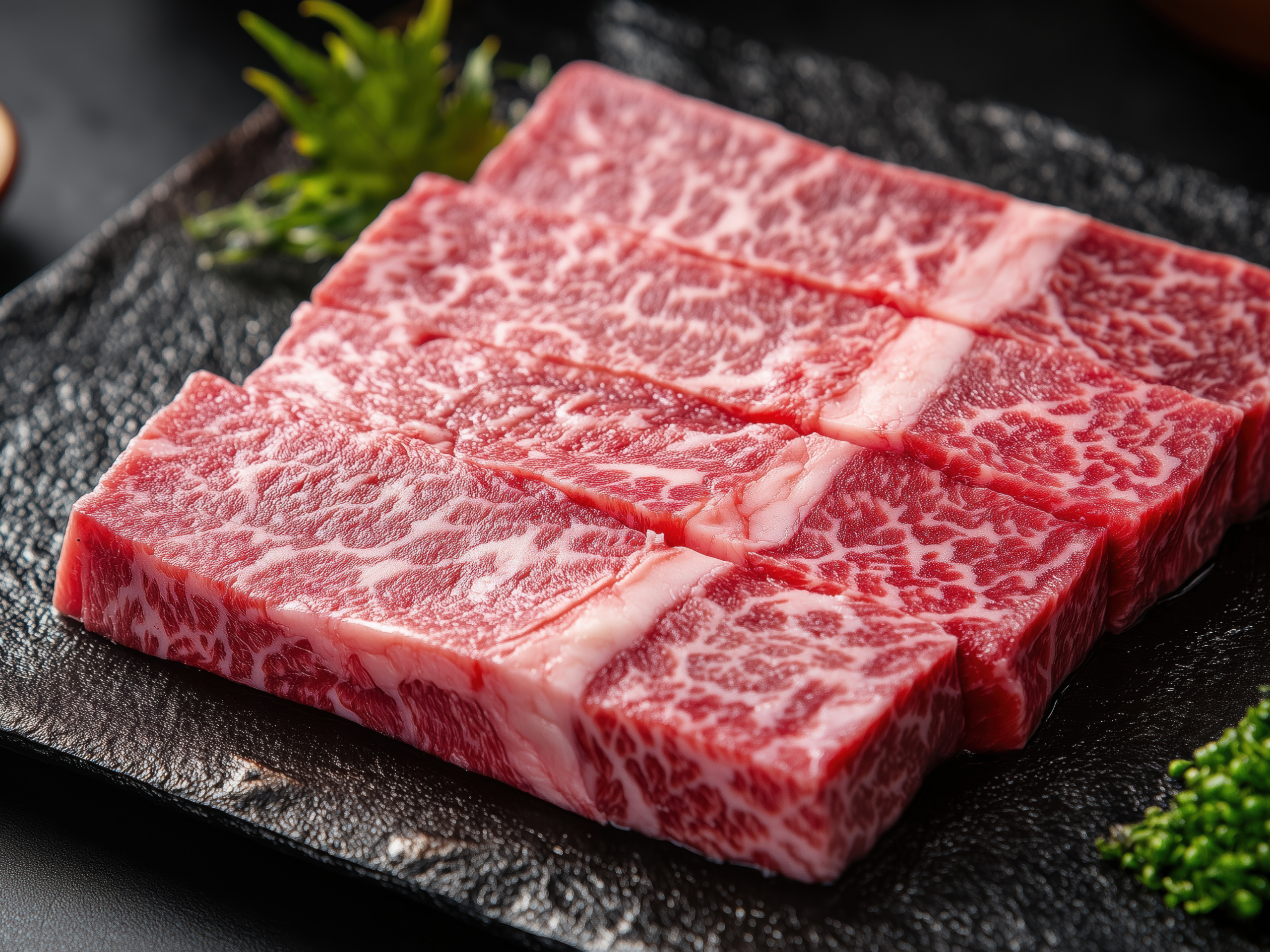
USDA beef quality grades help shoppers predict tenderness, juiciness, and flavor. The grade is based mainly on marbling, which is the tiny white flecks of fat within the muscle, and the maturity of the animal. More marbling typically means more tenderness and richer flavor. Here are the consumer-facing quality grades you will see most often.
- Prime: Abundant marbling. Very tender and juicy. Often served at fine steakhouses and ideal for special occasions.
- Choice: Moderate marbling. Tender and flavorful with wide variety. Excellent for everyday steaks and roasts.
- Select: Lean with less marbling. Can be firm if overcooked. Best for slow cooking, slicing thin, or marinating.
Other grades like Standard, Commercial, Utility, Cutter, and Canner are not usually sold as labeled steaks in supermarkets. They are often used for processed products, grinding, or institutional food service.
What makes Prime different from Choice and Select
Think of Prime, Choice, and Select as a spectrum of marbling and moisture. Prime has the most marbling, which melts during cooking and bastes the meat from within. This gives Prime steaks like ribeye or New York strip a rich, buttery bite. Choice has a balanced level of marbling and covers a large middle ground. Many Choice steaks deliver steakhouse flavor without the highest price tag. Select has noticeably less marbling. That does not make it bad. It makes it leaner and more dependent on cut selection and technique. If you cook Select like you would a heavily marbled Prime ribeye, you might be disappointed. Cook it with a plan and you can be pleasantly surprised.
Yield grade vs quality grade
There is another USDA measurement called yield grade. It predicts how much usable lean meat comes from a carcass and ranges from 1 to 5. Yield grade 1 means more lean meat, while yield grade 5 means less. Most shoppers never see yield grades on labels. For everyday buying decisions, focus on the quality grade and the cut you choose.
When Select is smart and when it is not
Select can be a great value when you want lean protein, plan to slow-cook, or you are building flavor with marinade, spices, and sauce. It can be a poor buy if your goal is a thick, juicy steak cooked hot and fast without any prep. Here is how to match your expectations to the grade, with beef grades explained for shoppers who want both taste and value.
- Smart use of Select: Slow braises, pressure cooking, stews, soups, tacos, thin-sliced sandwiches, and stir-fries. These methods add moisture and tenderness.
- Risky use of Select: Thick-cut, high-heat grilling of lean steaks without marinating or resting. The meat can dry out and feel tough.
Best Select cuts and cooking methods
If you choose Select, pick cuts that naturally do well with moisture or slicing thin across the grain. You can also ask the butcher for cuts that still offer tenderness even with less marbling.
- Chuck roast: Brown well, then braise low and slow until fork tender. Ideal for pot roast or shredded beef.
- Top round or bottom round roast: Roast gently to medium rare and chill. Slice paper thin for sandwiches or beef salads.
- Sirloin tip roast: Roast to medium rare, rest, and carve thin. Excellent with a pan sauce or gravy.
- Flank steak or top round steak: Marinate overnight, sear quickly to medium rare, rest, and slice very thin across the grain for fajitas or bowls.
- Stir-fry strips: Quick sear in a hot pan with sauce. Keep pieces small and do not overcook.
- Ground beef blends: When fat is added to reach 80 to 85 percent lean, Select origin matters less. Great for chili, sloppy joes, and saucy pasta.
Tip: If you plan to smoke brisket, Select can be tricky because it dries out more easily. You can still make it work by trimming less fat, using a water pan, wrapping earlier, and basting with tallow or broth. Many pitmasters prefer Choice or Prime for brisket, especially for the flat.
Times to choose Choice or Prime
When you want a classic steak experience with minimal prep, move up in grade.
- Ribeye: Choice or Prime delivers the marbling that makes this cut shine.
- New York strip: Choice often hits the sweet spot of price and performance. Prime is ultra rich.
- T-bone or porterhouse: The tenderloin side especially benefits from extra marbling.
- Tri-tip: Choice offers a great balance for grilling and roasting.
- Brisket for smoking: Choice or Prime provides more insurance against dryness.
Beef grades explained for shoppers: taste, tenderness, and value
Here is how the grades affect what you feel on the plate and see in your budget.
- Taste: Marbling carries flavor. Prime is richest, Choice follows, and Select is leaner tasting. Lean does not mean bland if you season well and build sauces.
- Tenderness: With careful cooking, Select can be tender, especially in slow-cooked dishes. For thick steaks cooked hot and fast, Choice and Prime are more forgiving.
- Value: If you plan to slice thin, braise, grind, or sauce, Select can help you stretch your dollar without losing satisfaction. Use savings for spices, sides, or desserts.
One more thing to remember. The cut of beef matters as much as the grade. A Select tenderloin can beat a Choice round steak for tenderness. Pair the right grade with the right cut and you will shop smart every time.
How to shop smarter at Wilson Farm Meats
At Wilson Farm Meats in Elkhorn, Wisconsin, our butchers help you match grade, cut, and cooking method so you get the meal you imagine. We are family owned with more than 150 years of farming heritage in Walworth County. We believe good meat starts on good land with people who care. When you walk our counter, you get fresh, locally raised beef with custom cutting to your preferences. That means you can ask for thicker steaks, exact roast sizes, or trimmed pieces ready for your favorite recipe. Here are practical ways we guide beef grades explained for shoppers right at the case.
- Tell us your plan: Grilling, roasting, braising, or slow cooker. We will steer you to Prime, Choice, or Select based on the method.
- Choose cuts with a purpose: Want juicy burgers or chili? We can grind fresh with the fat level you like. Building sandwiches? We will prep a roast for thin slicing.
- Season to win: We share simple salt timing and marinade ideas so Select steaks stay moist and flavorful.
- Size it right: We custom cut to help control doneness and tenderness. A thinner Select steak can sear fast and stay juicy.
Our product lineup
Wilson Farm Meats is proud to offer a full butcher shop experience. You will find daily-cut beef, our own heritage pork, and a carefully chosen mix of poultry and seafood for weeknight and special meals. We also craft smoked specialties in-house.
- Pork: From Wilson Prairie View Farms in Walworth County. Heritage breeds for deep flavor and consistent quality.
- Beef: Locally raised and custom cut to order for freshness and the perfect thickness or trim.
- Poultry and seafood: A rotating selection to round out your menu, from chicken to seasonal fish.
- Smoked meats: Bacon, ham, bratwurst, wieners, summer sausage, liver sausage, and ring bologna, processed in our Elkhorn facility.
Visit WILSONFARMMEATS.COM for current offerings, weekly specials, and value boxes. You can also learn more about our farm and how we raise animals responsibly for flavor you can taste.
Services and savings
We are your local processor for locally raised beef, pork, lamb, and veal, with custom options that suit your family’s tastes. Ask about special orders and requests for holidays or events. Keep an eye out for the Yearly Pig Sale and weekly specials. Value boxes are designed to help you stock your freezer without guesswork, and they are a smart way to try different grades and cuts while staying on budget.
Visit us
Stop by our store at 406 S. Wisconsin Street, Elkhorn, WI 53121. We are open Monday to Friday from 8:00 am to 5:00 pm, and Saturday from 8:00 am to 2:00 pm. You will find a warm welcome, helpful advice, and meats we are proud to put our family name on.
Cooking coach: turning Select into a great meal
Here is a simple, reliable plan that makes Select cuts shine. Follow these steps to protect moisture and boost flavor without fancy tools.
- Pick the right cut: Choose chuck for braise, top round for thin-sliced roast beef, or flank for marinated searing.
- Season early with salt: For steaks or roasts, salt both sides and refrigerate uncovered for 1 to 24 hours. This dry brine helps hold moisture.
- Marinate lean steaks: Use an acidic base like citrus or vinegar with oil, garlic, and herbs. Aim for 2 to 12 hours. Pat dry before cooking.
- Use high heat briefly: For thin steaks, sear in a hot cast-iron pan with a little oil. Cook to medium rare or medium to keep it tender.
- Slice across the grain: For flank, round, or sirloin tip, slice very thin against the grain. This shortens the muscle fibers and improves tenderness.
- Add moisture for roasts: For chuck or round, brown the meat, then braise with broth, onions, and herbs until fork tender.
- Mind the temps: For whole muscle steaks and roasts, aim for 125 to 130 F for medium rare, 135 to 140 F for medium, and rest 5 to 10 minutes. For ground beef, cook to 160 F for safety.
- Finish with fat and flavor: A pat of butter, olive oil drizzle, or pan sauce can add richness that Select lacks in marbling.
Beef grades explained for shoppers: common questions
Is Select always tougher?
No. It is leaner, which can feel firmer if overcooked. Choose tender cuts or use moisture and rest time to keep it soft.
Is Choice always the best value?
Often, yes, for classic steaks. Choice balances price and performance well. But for braises and thin-sliced dishes, Select can be the better buy.
Will I taste a big difference between Choice and Prime?
For ribeye, strip, and porterhouse, many people do. Prime has more marbling and a richer, buttery flavor. For leaner cuts like tenderloin, the gap can be smaller.
Is Select healthier because it is leaner?
Select often has less intramuscular fat, which can reduce calories from fat per ounce compared to higher grades of the same cut. Health depends on your overall diet and preparation choices.
How do I make Select burgers juicy?
Use a grind with at least 80 percent lean. Season generously with salt and pepper, avoid overworking the meat, and do not press the patties on the grill. Add cheese or a sauce to boost moisture.
Should I dry-age Select?
Dry aging is most impactful on well-marbled subprimals like rib or strip. It is less common and less effective with lean Select cuts. If you want the nutty, aged flavor in steaks, ask for Choice or Prime.
Your next steak night, solved at Wilson Farm Meats
At Wilson Farm Meats, we meet you where you cook. Hosting a celebration and want Prime ribeyes? We will cut them thick and ready. Planning a week of budget-friendly meals? We will help you pick Select or Choice roasts that shred or slice beautifully, and we will share the exact temps and timing for your slow cooker or oven. You can even tell us how many people you are feeding and we will portion it for you. This is beef grades explained for shoppers the way it should be, with friendly guidance and local pride.
When you are ready to shop smarter and save on steaks, visit us in Elkhorn or explore WILSONFARMMEATS.COM for specials, value boxes, and ideas. Our family has raised and prepared meat in this community for generations. We look forward to helping you turn every grade and every cut into a meal worth sharing.
The bottom line: is Select a waste of money?
No. Select is not a waste when you understand what it is and how to use it. If you want a quick, thick steak with maximum juiciness and minimal prep, reach for Choice or Prime. If you want leaner meals, slow-cooked comfort, or budget wins that still taste great, Select can be a smart, satisfying choice. With the right cut, good seasoning, and a little know-how, Select delivers. And when you have questions, Wilson Farm Meats is here with real answers, custom cuts, and locally raised meats from people you know and trust.