Wood Matters: Apple vs. Hickory vs. Cherry for Ham, Turkey, and Sausage
Choosing the right smoking wood brings your meat to life. If you have ever wondered which wood turns a simple ham into a showpiece or gives turkey a silky, golden finish, you are in the right place. In this guide, we compare apple, hickory, and cherry for ham, turkey, and sausage, and share practical tips on fire control, flavor pairings, and safe internal temperatures. At Wilson Farm Meats in Elkhorn, Wisconsin, we have seen how the right wood elevates heritage pork, local beef, and handcrafted sausage. This is your friendly, local resource for getting smoke right, every time.
Smoking wood for ham is more than a detail. It is the decision that shapes aroma, color, and the finish on every slice. Keep reading for a simple, trusted plan you can use this weekend.
Why Wood Choice Matters
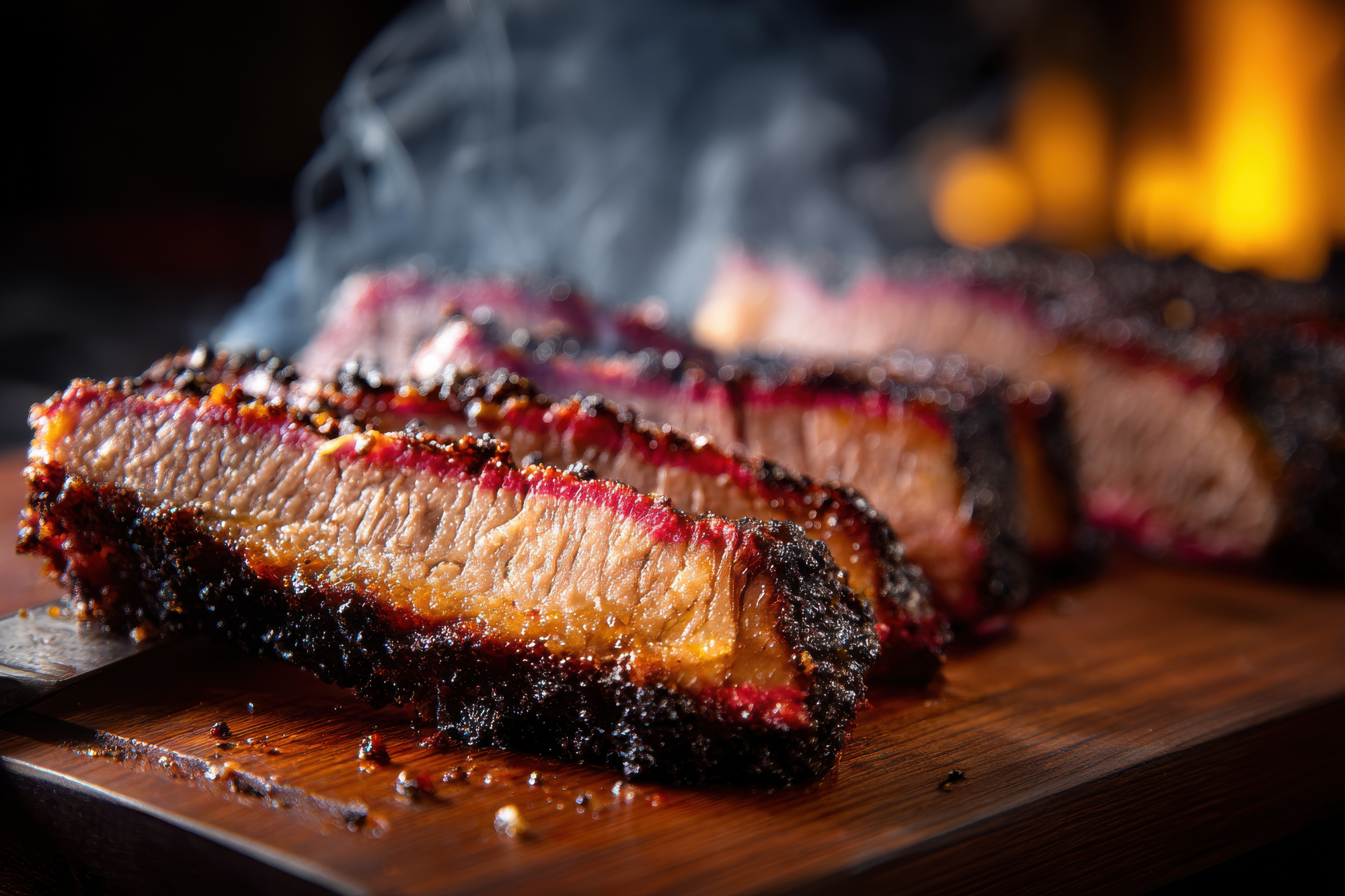
Wood type affects sweetness, intensity, and finish. Fruitwoods like apple and cherry are lighter and slightly sweet. Hickory is stronger and classic. Each wood releases different compounds as it burns, which interact with the meat’s fat and surface moisture. This means a heritage pork ham will react differently to hickory than a lean turkey breast will. When you match wood to meat, you create balance. That is how you get a blush-pink ham with a gentle kiss of smoke instead of a heavy, bitter crust.
Smoking Wood for Ham: Apple vs. Hickory vs. Cherry
Apple Wood for Ham
Apple is gentle, lightly sweet, and friendly to salt-cured flavors. It enhances cured ham without overpowering it, which is perfect if you want the natural character of well-raised pork to shine. Apple wood is a top choice when serving a crowd with different taste preferences. It is also forgiving if you are new to the smoker.
- Flavor profile: mild, rounded fruit sweetness
- Best for: city ham, spiral-sliced ham, and ham steaks
- Good pairings: apple cider glaze, brown sugar, cinnamon, clove, Dijon mustard, maple
- When to use: daytime cooks, lighter smoke goals, or when you want bright, clean pork flavor
If you buy a city ham from Wilson Farm Meats, apple wood lets the smoke support, not dominate, the brine and cure. The result is family friendly and still rich enough for a holiday table.
Hickory Wood for Ham
Hickory brings a bold, classic smoke that many people associate with bacon. It is stronger than apple or cherry, so a little goes a long way. Hickory is great for rich, heritage-breed pork like the pork raised at Wilson Prairie View Farms. Use it when you want that deep, traditional barbecue edge.
- Flavor profile: robust, savory, bacon-like aroma
- Best for: whole fresh ham, unsliced city ham, and thick ham roasts
- Good pairings: black pepper, paprika, garlic, molasses, coffee rubs, stout or cola glaze
- When to use: cool-weather cooks and when you want a stronger bark
For balance, many pitmasters mix hickory with a fruitwood. A 50-50 blend of hickory and apple protects against oversmoking yet keeps the classic barbecue kick.
Cherry Wood for Ham
Cherry gives a gentle sweetness like apple but adds a beautiful mahogany color. It is the secret to that deep rose hue you see on showstopping hams. Cherry is subtle and pairs well with fruity or spiced glazes without turning bitter.
- Flavor profile: light sweetness with delicate berry notes
- Best for: spiral hams, ham slices, and holiday hams you want to photograph
- Good pairings: cherry preserves, orange zest, thyme, rosemary, honey, balsamic
- When to use: when color matters and you want a refined, slightly sweet smoke
If presentation is a priority, cherry wood is hard to beat. For a crowd favorite, blend cherry and apple for a sweet, clean profile that flatters cured ham.
Quick Summary for Ham Wood Choices
- Apple: safe, sweet, and balanced for most hams
- Hickory: bold and classic, great for richer pork and strong rubs
- Cherry: subtle and sweet with standout color
- Best blend: half apple, half cherry for color and gentle sweetness
Turkey on the Smoker: Which Wood and Why
Turkey is lean, so it benefits from lighter smoke and steady moisture. Apple and cherry both perform well. Hickory works in smaller amounts or blended. The skin takes color fast with cherry, while apple complements the delicate flavor of white meat. If you plan to serve turkey alongside ham, choose a blend that will not fight with the glaze on the ham.
- Apple for turkey: clean, mellow, and easy to love
- Cherry for turkey: gorgeous color and a gentle berry note
- Hickory for turkey: use lightly or blend 25 percent with fruitwood to avoid harshness
- Pairings: lemon-herb butter, sage, thyme, garlic, maple, and mild pepper rubs
For a whole bird, cherry gives a rich bronze skin while apple keeps the flavor bright. Consider a light brine and a water pan for even cooking.
Sausage on the Smoker: From Brats to Summer Sausage
Sausage takes smoke fast because of casing thickness and fat content. The right wood depends on the style. Wilson Farm Meats offers smoked classics like bratwurst, wieners, summer sausage, liver sausage, and ring bologna, along with fresh options. Choose your wood to match your sausage’s spice profile.
- Bratwurst: apple or cherry for a sweet edge that raises the pork flavor
- Wieners: apple for a gentle touch that does not mask spices
- Summer sausage: hickory or a hickory-cherry blend for bolder character
- Liver sausage: cherry or apple to keep the flavor smooth and not bitter
- Ring bologna: hickory for a classic smokehouse taste balanced with a bit of apple
Because sausage absorbs smoke quickly, run a cleaner fire and shorter exposure. Aim for thin blue smoke, not heavy white smoke. This keeps the casing tender and the flavor balanced.
Temps, Timelines, and Fire Management
Smoker Temperature Targets
- Ham, city-cured and pre-cooked: smoker at 225 to 250 F to warm gently and add smoke
- Fresh ham: smoker at 250 to 275 F to build a good crust without drying
- Turkey: smoker at 250 to 275 F to keep skin from getting rubbery
- Sausage: smoker at 180 to 225 F, then finish hotter if needed to hit safe temp without bursting casings
Internal Temperature Targets
- City ham, pre-cooked: pull at 135 to 140 F when reheating
- Fresh ham: cook to 145 F and rest for at least 3 minutes
- Turkey, whole or breast: cook to 165 F in the thickest part
- Pork or beef sausage: cook to 160 F
- Poultry sausage: cook to 165 F
Wood Quantity and Smoke Intensity
Fruitwoods burn cooler and create a lighter smoke, which fits leaner meats and cured hams. Hickory burns a bit hotter and can get intense if oxygen is low. Keep vents open enough for clean airflow. Whether you use chunks, splits, pellets, or chips, start small and add as needed. The goal is clean, faintly blue smoke.
- Chunks in a charcoal smoker: start with 2 to 3 fist-size chunks for a ham cook
- Pellet grills: set to desired temperature and choose apple, cherry, or hickory pellets, then avoid constantly bumping the temp
- Electric smokers: use 1 to 2 small wood trays per hour for the first 2 hours, then reassess
- Offset smokers: burn a clean fire with a small, steady flame, then feed small splits to maintain thin smoke
Step-by-Step Smoke Plans
City Ham, Apple or Cherry
- Unwrap and pat dry. Score the fat in a shallow crosshatch.
- Season lightly with black pepper and a touch of brown sugar or your favorite rub.
- Heat the smoker to 235 F with apple or cherry wood.
- Place ham cut side down. Add a water pan for even heat.
- Smoke until the internal temp reaches 130 F.
- Brush with a maple-mustard glaze. Continue until 140 F internal.
- Rest 20 minutes. Slice and serve.
Fresh Ham, Hickory-Forward Blend
- Dry brine with kosher salt overnight in the fridge for better moisture.
- Rub with black pepper, garlic, paprika, and a touch of molasses.
- Heat the smoker to 260 F using a 50-50 mix of hickory and apple.
- Smoke to 135 F internal. Spritz with apple cider every 45 minutes if the bark looks dry.
- Increase smoker to 275 F to finish. Pull at 145 F internal.
- Rest at least 20 to 30 minutes before slicing.
Whole Turkey, Cherry-Apple Combo
- Pat turkey dry. Lightly salt and rub with oil, pepper, garlic, and herbs.
- Preheat smoker to 265 F with a blend of cherry and apple.
- Smoke breast side up with a pan under the rack to catch drips.
- Rotate once for even color. Do not overspritz the skin.
- Pull at 160 to 165 F in the breast. Rest 20 to 30 minutes before carving.
Sausage Links, Gentle Heat
- Preheat smoker to 200 F with apple wood.
- Arrange sausage with space between links for airflow.
- Smoke until internal reaches 155 F, then finish at 225 F to reach 160 to 165 F.
- Rest 5 minutes before serving or chilling.
Seasonings, Brines, and Glazes That Love Each Wood
- Apple wood pairings: apple cider brine, brown sugar and cinnamon rub, Dijon and maple glaze, rosemary and thyme
- Hickory pairings: black pepper and garlic rubs, coffee or cocoa powder accents, molasses or stout glaze, mustard seed
- Cherry wood pairings: cherry preserves with balsamic, orange and honey glaze, Chinese five spice for a twist, clove and allspice
When in doubt, think balance. The stronger the wood, the simpler the glaze. The lighter the wood, the more room you have for sweet or spiced finishes.
Common Mistakes and How to Avoid Them
- Oversmoking: add wood in small amounts and watch for thin blue smoke
- Low airflow: open vents enough to keep the fire clean and avoid bitter notes
- Too much moisture: use a water pan but avoid constant spritzing that cools the cooker
- Skipping the rest: let meat rest so juices settle and slices are juicy
- Wrong temps: use a reliable thermometer for both pit and meat
- Old or wet wood: seasoned wood burns cleaner and tastes better
Why Start With Wilson Farm Meats
Great smoke starts with great meat. Wilson Farm Meats is a family-owned business in Elkhorn, Wisconsin, with more than 150 years of farming heritage. The Wilson family stands behind every cut, offering a true farm-to-table experience. When you choose their meats, you start with flavor that only careful raising and handling can deliver.
- Pork: heritage-breed pork from Wilson Prairie View Farms in Walworth County, known for superior marbling and taste
- Beef: locally raised and custom cut to your preferences
- Poultry and seafood: a curated selection for weeknight dinners and special occasions
- Specialty smoked items: bacon, ham, bratwurst, wieners, summer sausage, liver sausage, and ring bologna, all crafted in their Elkhorn facility
- Custom processing services for locally raised beef, pork, lamb, and veal
- Specials and events like the Yearly Pig Sale, weekly specials, and value boxes
Visit the store at 406 S. Wisconsin Street, Elkhorn, WI 53121. Hours are Monday to Friday 8:00 am to 5:00 pm, and Saturday 8:00 am to 2:00 pm. You can also explore offerings online at WILSONFARMMEATS.COM. The team is happy to help you pick the right cut and the right plan for your next smoke.
FAQs About Smoking Wood for Ham, Turkey, and Sausage
What is the best smoking wood for ham?
For most hams, apple is the safest pick because it is mild and complements the cure. Cherry is great if you want color and a gentle sweetness. Hickory wins when you crave a bold, classic smoke. Many cooks blend apple and cherry for a balanced, crowd-pleasing flavor.
Can I mix woods?
Yes. Mixing woods is a smart way to control intensity. Try half apple and half cherry for ham and turkey. Use a 25 to 50 percent hickory addition if you want a stronger finish without harshness.
How much wood should I use?
Start small. For a charcoal smoker, two or three chunks are plenty at the start. Add one more chunk only if the smoke thins out. For pellet grills, let the pellets do the work and avoid constant adjustments.
Do I need a water pan?
A water pan helps stabilize temperature and keeps the smoke cleaner. It is helpful for ham and turkey, especially on long cooks or in dry weather.
How do I prevent rubbery turkey skin?
Cook a bit hotter, around 260 to 275 F, avoid over-spritzing, and make sure the skin is dry before it goes on the smoker. A light brush of oil also helps.
Should I remove ham skin before smoking?
If your ham has a thick rind, scoring the fat helps render and allows glaze to stick. You can trim heavy skin after smoking if it has not rendered fully.
What glaze works with hickory on ham?
Try a simple blend of brown sugar, black pepper, and mustard with a splash of apple cider vinegar. It stands up to hickory without turning too sweet.
What internal temp should I aim for with a pre-cooked ham?
Warm gently to 135 to 140 F, then rest. The goal is to add smoke and heat through, not recook.
Is cherry wood too sweet for sausage?
Cherry is subtle. It works well for delicate sausages and adds nice color. For robust styles like summer sausage, blend in some hickory.
Local Flavor, Real Quality
Smoking wood for ham does not need to be complicated. Apple brings balance, hickory brings tradition, and cherry brings color and a gentle sweet note. Match the wood to the cut and the occasion, and you will be set. When you start with quality meat from Wilson Farm Meats, every choice you make after that pays off. Visit the Elkhorn store for locally raised pork, custom-cut beef, fresh poultry, seafood, and house-smoked specialties. Ask the team for guidance on wood, rubs, and cooking temps. With the right cut and the right wood, your next ham, turkey, or sausage will taste like a celebration.
If you are planning a weekend cook, stop by Wilson Farm Meats at 406 S. Wisconsin Street or check WILSONFARMMEATS.COM for current specials, value boxes, and upcoming events. Your table will thank you, and your guests will be asking for second