Freezer Burn 101: What It Is and Why It Happens
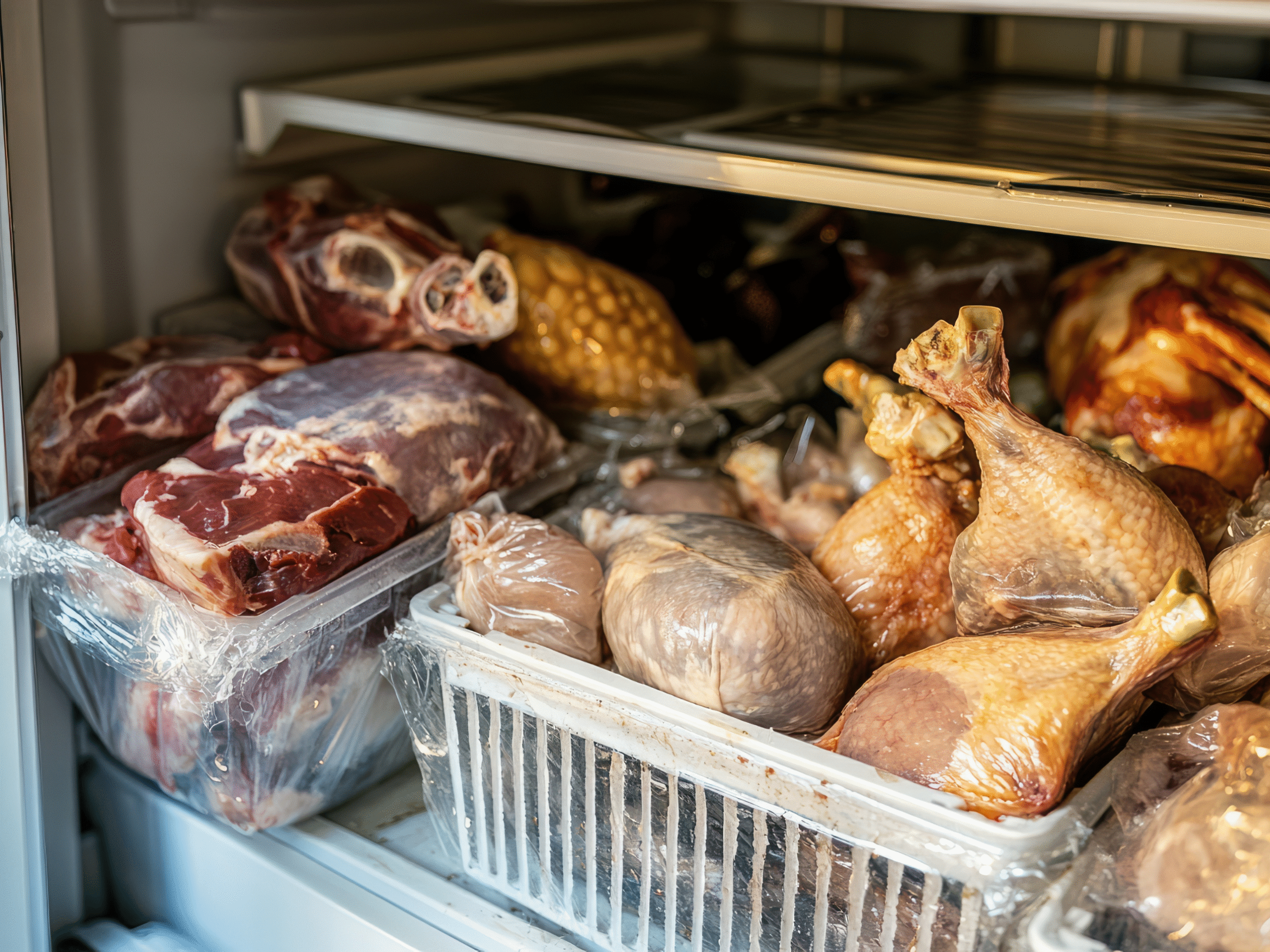
If you have ever opened your freezer to find a steak with dry, icy patches or chicken that looks faded in spots, you have met freezer burn. Freezer burn happens when cold, dry air reaches the surface of the meat. Moisture slowly escapes and turns to ice crystals, and the exposed area dehydrates and oxidizes. That is why the affected parts look pale, gray, or even white and feel tough or grainy when thawed. Freezer burn is most common when packaging is loose or torn, when there is excess air around the meat, or when a frost-free freezer cycles through warming and cooling. It is frustrating, but it is also common and preventable with a few simple steps.
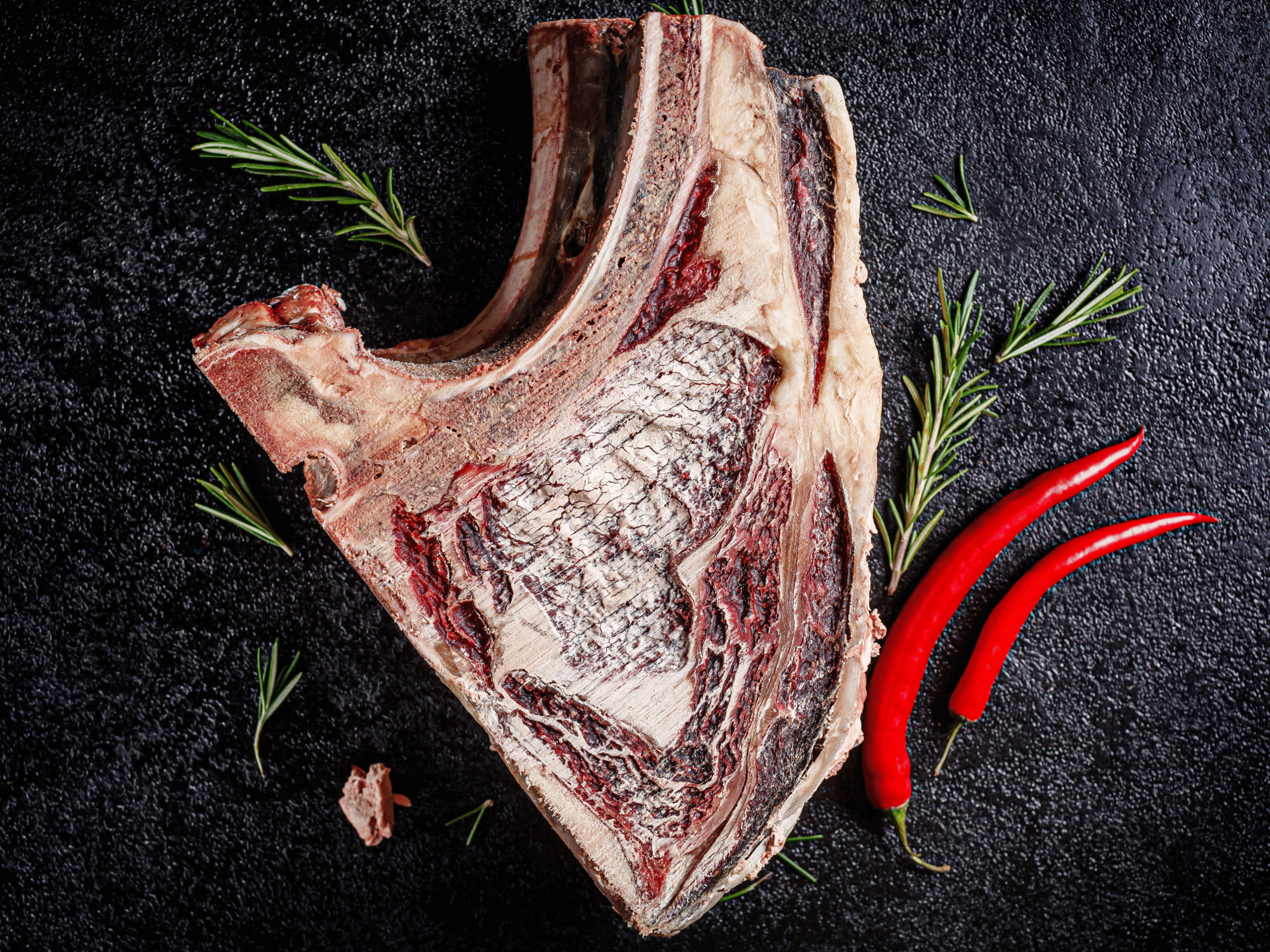
Is Freezer-Burnt Meat Safe to Eat?
The short answer to the big question is yes. If your meat has been kept frozen at 0 F and shows only cosmetic freezer burn, it is generally safe to cook and eat. Freezer burn affects quality rather than safety. Expect drier texture at the edges and slightly duller flavor in the affected spots, but the rest of the meat can still be delicious with the right prep and cooking method. If you came here wondering is freezer burnt meat safe to eat, remember this rule of thumb: safety depends on storage temperature and signs of spoilage, not on the presence of dry, pale patches alone.
Freezer Burn vs Spoilage: How to Tell the Difference
- Freezer burn signs: dry, whitish or gray patches, ice crystals, a firm or leathery feel on the surface, and no strong off odors once thawed.
- Spoilage signs: sour or rancid smell, sticky or slimy surface, a green or iridescent sheen, unusual softness, or mold after thawing. These are reasons to discard.
- Continuous freezing matters: food that stayed fully frozen at 0 F can be safe indefinitely, even if quality drops. Repeated thawing and refreezing raises risk.
When to Toss It Instead
- It smells bad after thawing. A strong sour, fishy, or rancid odor means it is not safe.
- The package is bulging, torn, or leaked fluids into the freezer, and the meat partially thawed before refreezing.
- The meat is extremely old with heavy frost buildup, unknown date, and a deep gray or brown color throughout, not just patchy.
- You see mold once thawed. Ice crystals are normal, mold is not.
How to Rescue Freezer-Burnt Meat
Trim, Thaw, and Prep in a Few Easy Steps
- Thaw safely. Move the meat to the fridge 24 hours before cooking, or use the cold water method by sealing it in a watertight bag and submerging it in cold water, changing the water every 30 minutes.
- Pat dry. After thawing, blot the surface completely dry with paper towels to remove melted ice crystals and prevent steaming during searing.
- Trim the worst parts. Use a sharp knife to cut away the most dehydrated, tough edges. Removing the damaged surface improves texture and taste.
- Marinate or brine. For lean cuts, a quick marinade or a light brine adds moisture back and balances flavor.
- Use moisture-friendly cooking. Choose a method that adds liquid or traps steam so the meat stays tender.
Best Cooking Methods for Freezer-Burnt Cuts
- Braising and stewing. Low heat with broth, wine, or tomatoes softens dry edges and infuses flavor. Think pot roast, pulled pork, or chicken fricassee.
- Pressure cooker or slow cooker. These lock in moisture and help even compromised cuts turn tender.
- Grinding and saucing. Turn slightly dry steak or pork into chili, meat sauce, sloppy joes, or tacos with a saucy base.
- Shred and sauce. Cook roasts until they fall apart, then fold in a flavorful sauce like barbecue, enchilada, or mole.
- Quick sear and finish gently. Sear for color, then finish in the oven with a sauce or covered pan to avoid over-drying.
- Soups and chowders. For seafood or poultry with light freezer burn, dice into chowders, noodle soups, or curry where broth supports texture.
Seasonings and Marinades That Help Restore Flavor
- Acidic marinades. Citrus, yogurt, buttermilk, or vinegar tenderize and brighten flavor. Add oil and herbs for balance. Do not over-marinate delicate fish or chicken breast.
- Simple brine for pork or poultry. Dissolve 1 tablespoon kosher salt per cup of cold water, add sugar if desired, and brine 30 to 90 minutes depending on thickness.
- Bold spice rubs. Garlic, paprika, cumin, pepper, and brown sugar add depth. Rub, rest 30 minutes, then cook gently.
- Butter and pan sauces. Finish steaks or chops with butter, stock, and a splash of wine or lemon to restore richness.
- Smoky notes. A bit of smoked paprika, chipotle, or a brief kiss on the grill adds a pleasing smoky character to counter dryness.
Safe Thawing and Cooking Temperatures
Food safety always comes first. Use one of these safe thawing methods: refrigerator thawing, cold water thawing with frequent water changes, or cooking directly from frozen for some thin cuts with extended time. Never thaw on the counter. Cook to a safe internal temperature using a thermometer. Ground beef, pork, lamb, and veal should reach 160 F. Whole poultry and poultry pieces should reach 165 F. Beef, pork, and lamb steaks and roasts should reach 145 F and rest for 3 minutes. Fish should reach 145 F or until flesh is opaque and flakes. If you are serving older adults, kids, or anyone with a compromised immune system, stick to these temperatures every time. When asked is freezer burnt meat safe to eat for families, the answer is yes if you cook to the right internal temperature and the meat shows no spoilage signs.
How Long Meat Keeps Quality in the Freezer
Frozen meat stays safe indefinitely at 0 F, but quality gradually declines. For best taste and texture, use these general guidelines for quality:
- Beef steaks and roasts: 6 to 12 months
- Ground beef: 3 to 4 months
- Pork chops and roasts: 4 to 6 months
- Bacon: 1 month
- Fresh sausage or bratwurst: 1 to 2 months
- Whole chicken or turkey: up to 12 months
- Poultry parts: 6 to 9 months
- Lean fish like cod or walleye: 6 to 8 months
- Fatty fish like salmon: 2 to 3 months
- Cooked leftovers: 2 to 3 months
Labeling and rotating what you freeze helps you stay within these quality windows and avoid heavy freezer burn.
How to Prevent Freezer Burn Next Time
Packaging That Works
- Vacuum seal whenever possible to remove air and lock in moisture.
- Double wrap if you do not have a sealer. Wrap tightly in plastic wrap, then add a layer of freezer paper or heavy foil. Place wrapped meat in a freezer bag and press out air.
- Use quality freezer bags and push out air with the water displacement method. Submerge a partially zipped bag in water to force out air, then seal.
- Protect sharp bones. Cover bone tips with parchment or wrap to keep them from puncturing packaging.
- Label and date every package so you use the oldest first.
Freezing Technique That Minimizes Ice Crystals
- Chill meat in the fridge before freezing so it drops temperature faster in the freezer.
- Spread packages out at first so cold air can circulate, then stack after they are frozen solid.
- Portion into meal-size packs. Smaller packages freeze faster and reduce air exposure every time you open one.
- Glaze fish by briefly dipping in ice-cold brine, then freezing. The thin ice coat protects the surface.
- Freeze with marinade for lean cuts. The liquid acts like a buffer against air.
- Maintain a steady 0 F. Keep the freezer well filled and avoid frequent door openings.
Smart Freezer Organization
- First in, first out. Keep a simple list and pull from the oldest date first.
- Group by cut and animal so you can find what you need without digging around.
- Store meat in the coldest zone, often the back or bottom of a chest freezer.
- Check packaging every few months. If you spot a tear or loose seal, rewrap right away.
Why Quality Matters: Start With Better Meat
Even when you do everything right, freezer burn can still happen over time. Starting with top-quality meat reduces your risk of dry, bland results after thawing. At Wilson Farm Meats in Elkhorn, Wisconsin, you will find locally raised beef, heritage-breed pork from Wilson Prairie View Farms in Walworth County, and a thoughtful selection of poultry and seafood. Cuts are custom prepared for freshness, and the team cares about how the meat will cook in your kitchen. High-quality marbling, careful handling, and fresh cutting mean your steak, roast, or chop begins with excellent moisture and flavor. That gives you more leeway if a package spends a little longer in the freezer than planned.
Wilson Farm Meats also crafts smoked specialties like bacon, ham, bratwurst, wieners, summer sausage, liver sausage, and ring bologna in their Elkhorn facility. These smoked items are great for quick meals and hearty recipes. If you do freeze them, wrap tightly and aim to use bacon and fresh sausage sooner than roasts or steaks. Have questions about which cuts freeze best or how to portion for a busy month? The Wilson family and their staff are happy to share tips from their 150 years of farming heritage and their day-to-day work in the meat shop.
Freezer Burn by Protein: Tips for Beef, Pork, Poultry, and Seafood
Beef
Freezer-burnt beef benefits from trimming and moisture-friendly cooking. Braising chuck or round with stock and aromatics restores tenderness. For steaks with minor dry spots, trim and pan-sear in oil, baste with butter, then finish in the oven and serve with a pan sauce. If the texture seems too dry even after trimming, grind the steak for chili or meatballs. Wilson Farm Meats can custom cut and portion beef to help you freeze exactly what your household will use per meal.
Pork
Heritage-breed pork from Wilson Farm Meats has rich flavor that shines even after freezing. Light freezer burn on chops can be helped by a quick brine, then a sear and oven finish with apples or mustard cream. Shoulder roasts respond well to slow cooking for pulled pork. For diced pork, try pozole, ragu, or a stir-fry with a moisture-rich sauce. If your bacon picked up freezer burn, trim the edges and chop it into soups or baked beans where it can still lend smoky depth.
Poultry
For chicken breasts with dry patches, trim, brine briefly, and cook gently. Poaching in broth or baking under a foil tent keeps meat juicy. Shredded chicken works well in enchiladas, pot pies, and noodle soups. Dark meat like thighs or drumsticks is forgiving and ideal for braises and curries. Turkey that has a bit of freezer burn is perfect for soups or casseroles where sauce carries the dish.
Seafood
Seafood is more delicate and shows quality loss sooner. Light freezer burn on firm fish like cod or walleye can be managed by trimming and cooking in tomato-based stews, chowders, or gentle oven bakes with lemon-butter. Fatty fish like salmon do not keep peak quality as long, so plan faster use. When in doubt, ask the Wilson Farm Meats team which fish are best for freezing and how long to store them for best taste.
Smoked and Cured Meats
Smoked meats naturally have lower moisture at the surface, so protect them with snug wrapping. If a ham end or summer sausage gets a little freezer burn, slice off the outer layer and dice what remains for omelets, soups, or pasta. For bratwurst or wieners, cook in a little broth or beer to add moisture before finishing on a skillet or grill.
Community Tip: Plan Ahead With Wilson Farm Meats
One of the best ways to avoid freezer burn is to buy the right amount, in the right packaging, at the right time. At Wilson Farm Meats, you can request custom cuts and portions sized for your family. Ask about their weekly specials, value boxes, and the Yearly Pig Sale for smart stocking without overfilling your freezer. If you raise your own animals, Wilson Farm Meats offers custom processing for beef, pork, lamb, and veal, and can package for optimal freezer storage based on how you like to cook.
Visit Wilson Farm Meats
Wilson Farm Meats is located at 406 S. Wisconsin Street, Elkhorn, WI 53121. Store hours are Monday to Friday from 8:00 am to 5:00 pm and Saturday from 8:00 am to 2:00 pm. Stop in to talk with the team about the best cuts to freeze, how to package them, and which recipes make the most of what you have on hand. Learn more and browse offerings at WILSONFARMMEATS.COM. You can also find helpful community details through BUSINESS.ELKHORNCHAMBER.COM and VISITLAKEGENEVA.COM. When you shop locally, you get quality you can taste and advice you can trust.
Frequently Asked Questions
Does freezer burn make meat taste bad?
Freezer burn dries out the surface and mutes flavor, so the affected spots can taste bland or a little stale. Trim dry patches, add moisture through marinade or braise, and use sauces or pan juices to bring back flavor. The rest of the cut can still be great.
Can I cook freezer-burnt meat in an air fryer or on the grill?
Yes, but be strategic. Air fryers and grills can dry meat quickly. Trim the worst spots, marinate, and cook to the safe internal temperature without overshooting. Consider finishing with a sauce or butter to restore moisture. If the freezer burn is heavy, switch to braising or stewing.
Is it safe to eat cooked leftovers that got freezer burn?
Yes, it is still safe if it stayed frozen and shows no spoilage after thawing. Quality may not be as good. Use cooked leftovers with freezer burn in soups, casseroles, and saucy dishes for best results.
Is freezer burnt meat safe to eat for kids or seniors?
Yes if it was kept frozen, shows no spoilage, and is cooked to the correct internal temperature. Trim the dry portions and choose gentle, moist cooking methods to improve texture.
Can I refreeze thawed meat?
If you thawed it in the refrigerator and it stayed cold, you can refreeze it safely, though quality may drop. If thawed by cold water or microwave, cook it first before refreezing. Always rewrap tightly to limit air exposure.
The Bottom Line: Is Freezer Burnt Meat Safe To Eat?
So, is freezer burnt meat safe to eat? Most of the time, yes. Freezer burn is a quality issue, not a safety hazard, as long as the meat stayed fully frozen and shows no signs of spoilage. Trim dry areas, add moisture through marinades or brines, and choose cooking methods that bring tenderness back. To avoid freezer burn later, wrap meat tightly, remove air, label packages, and rotate your stash. When you start with well-raised, carefully handled meat from a trusted local source like Wilson Farm Meats, you stack the deck in favor of great results, even after time in the freezer. Visit the Elkhorn store to explore fresh beef, heritage pork, poultry, seafood, and smoked specialties, and head home with tips and cuts that fit your kitchen and your freezer.