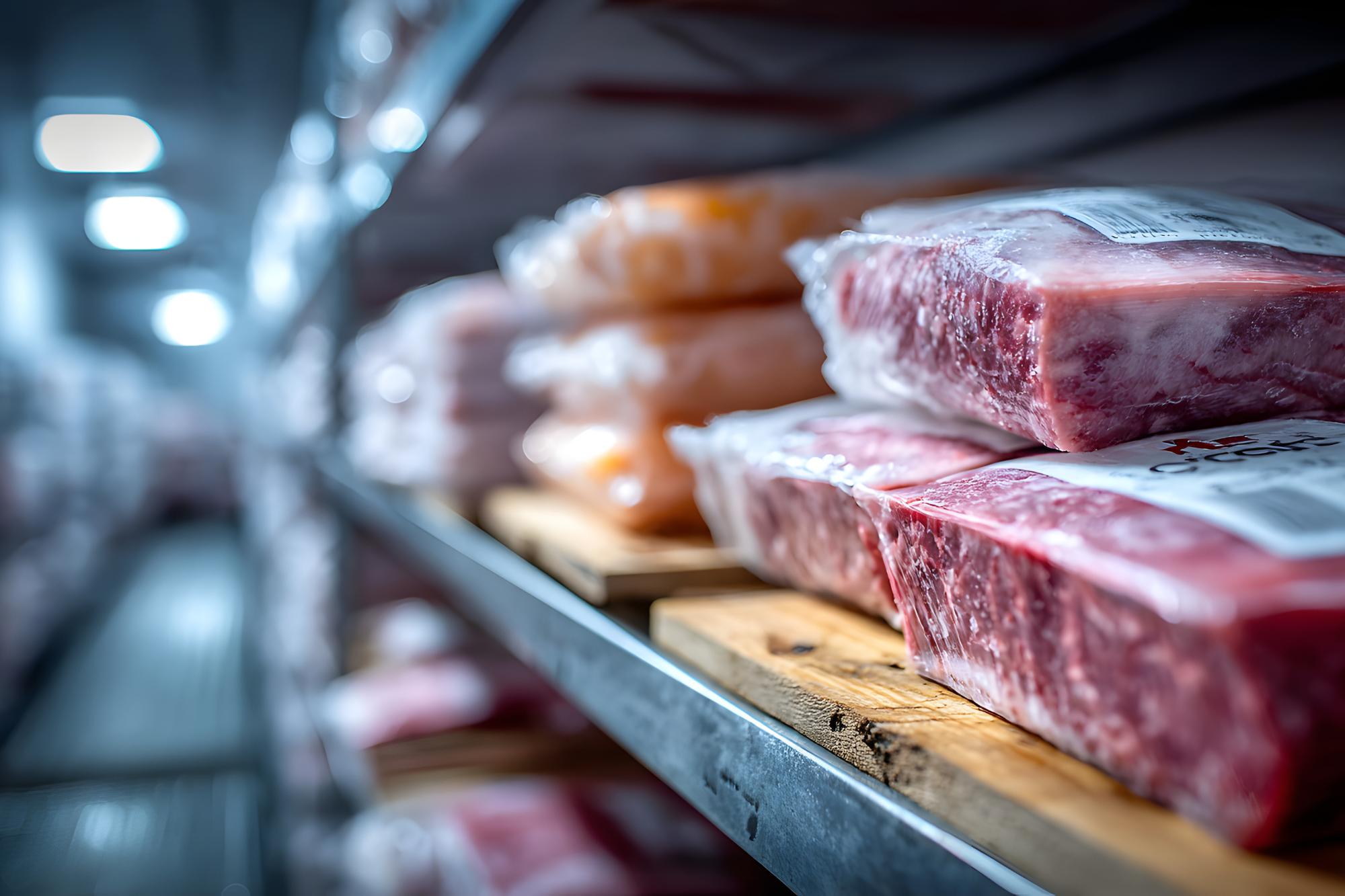
Wondering how much freezer space for 1/2 cow you need?
If you are planning a bulk beef purchase, you are smart to ask how much freezer space for 1/2 cow you will actually need. The short version is simple. Most families do well with 8 to 10 cubic feet of freezer space for a half beef, though careful packing can fit a side of beef in about 7 cubic feet. The details matter, like whether you choose bone-in cuts, how thick you slice steaks, and what type of freezer you own. To help you plan with confidence, we pulled together real-world dimensions, practical bin layouts, and easy packing tips based on what customers ask us every week at Wilson Farm Meats in Elkhorn, Wisconsin.
What comes in a half cow from Wilson Farm Meats
A half cow, often called a half beef or a side of beef, is the result of custom cutting a locally raised animal to your preferences. At Wilson Farm Meats, we help you build a cut sheet that fits your cooking style and your freezer. Exact weights vary by animal and by how you want it cut. A common hanging weight for a half beef is around 300 to 400 pounds. After aging and trimming, most families take home about 170 to 230 pounds of packaged beef. Your choices affect that total. Boneless cuts pack tighter and may lower weight slightly. Bone-in steaks and large roasts add bulk and increase the volume needed.
Typical packages from a half beef include ground beef in 1 or 2 pound packs, ribeye or New York strip steaks, sirloin, filet, roasts like chuck or arm, stew meat, short ribs, and soup bones. Organs such as liver, heart, or tongue are optional. If you cook often and want quick weeknight meals, you might choose more ground and stew meat. If you enjoy grilling and entertaining, you might ask for a greater share of steaks and larger roasts. Wilson Farm Meats cuts to order, so your freezer plan can match your menu plan.
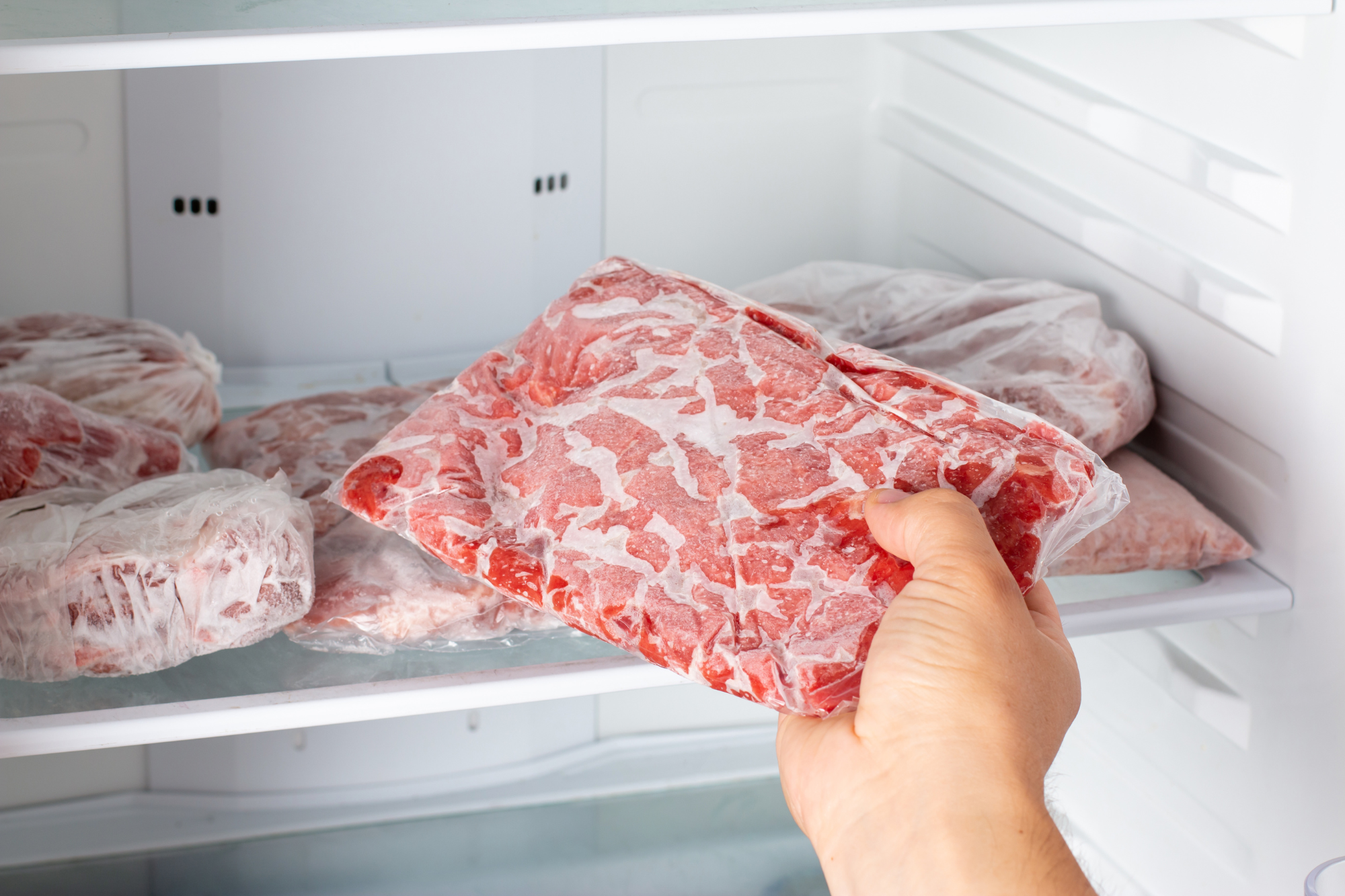
The simple math: calculate freezer space by weight
Here is a proven way to estimate how much freezer space for 1/2 cow you need. Plan on about 35 pounds of packaged meat per cubic foot of freezer space. This number assumes tight packing with square or flat packages and minimal air gaps. If you want a buffer or store bulky bones, aim closer to 30 pounds per cubic foot.
- Estimate your packaged weight. Many half beef orders end up around 190 to 220 pounds.
- Divide by 35 for a tight pack. For example, 210 pounds divided by 35 equals about 6 cubic feet.
- Add a safety margin. Most households prefer 8 to 10 cubic feet so it is easy to organize and rotate.
Quick reference ideas: 180 pounds packages fit tightly in about 5 to 6 cubic feet. 200 pounds packages fit in about 6 to 7 cubic feet. 220 pounds packages fit better in about 7 to 8 cubic feet. If your plan includes many bone-in cuts, consider 8 to 10 cubic feet for ease of use.
Freezer styles and real-world dimensions
You can make a half beef work in either a chest freezer or an upright. Both styles are excellent when sized correctly. The choice often comes down to space in your home and how you like to organize food.
7 to 9 cubic foot chest freezer
Typical exterior dimensions: about 37 inches long by 22 inches wide by 33 inches high. Capacity is usually enough for a smaller half beef with smart packing. Pros include great energy efficiency and less cold loss when you open the lid. Cons include stacking. You will want bins or baskets to avoid digging for items.
10 to 14 cubic foot chest freezer
Typical exterior dimensions: about 44 to 52 inches long by 28 inches wide by 33 inches high. Capacity fits nearly all half beef orders with room for bones, stock packs, and extra ground. Pros include relaxed packing and easy rotation if you use dividers. The main con is floor space.
13 to 14 cubic foot upright freezer
Typical exterior dimensions: about 28 inches wide by 29 inches deep by 61 inches high. This is a popular pick for a half beef because shelves and door bins make it simple to organize by cut. Pros include fast access to steaks, roasts, and ground. Cons include more air exchange when you open the door and a bit less total capacity per cubic foot than a chest freezer due to shelves and wall thickness.
17 to 20 cubic foot upright freezer
Typical exterior dimensions: about 30 inches wide by 32 inches deep by 66 to 70 inches high. This size gives extra space for bulk buys of pork, poultry, or specialty products from Wilson Farm Meats. It is a great choice for larger families or anyone who likes to shop meat once and cook all year.
Note that exterior dimensions vary by brand. Check the model you plan to buy, measure the spot in your home, and confirm door swing clearance. If you keep the freezer in a garage, look for a unit rated for garage use, especially in a Wisconsin winter or summer.
Sample bin layouts that actually work
Here are easy layout ideas that keep weekday cooking stress-free and make food rotation simple. Label bins and shelves. Keep a running inventory on the door with a dry erase marker or a paper checklist.
9 cubic foot chest freezer layout
- Top baskets: Keep quick grab items here. Use one basket for ground beef and patties. Use the second basket for stew meat and fajita strips.
- Upper left zone: Steaks sorted by type. Place ribeye, strip, and sirloin in separate labeled bags. Lay flat for stacking.
- Upper right zone: Roasts by size. Put chuck and arm roasts together. Use smaller roasts at the top for weeknights.
- Bottom zone: Bulky items. Short ribs, soup bones, and stock packs go here. If you save fat trim for rendering, keep it in this zone.
14 cubic foot chest freezer layout
- Top baskets: One for ground, one for mixed quick-cook cuts, one for specialty items like brat patties or bacon from Wilson Farm Meats.
- Left half: All steaks by cut. Bundle two to four per package so thawing is simple.
- Right half: Roasts and ribs. Separate large holiday roasts from everyday roasts.
- Bottom right corner: Bones and organ meats. Label well and keep together.
14 cubic foot upright layout
- Top shelf: Tender cuts. Keep filet and ribeye at eye level for easy access and quick inventory checks.
- Second shelf: Other steaks like New York strip and sirloin. Stack by cut.
- Middle shelf: Roasts. Arrange from smallest to largest, front to back.
- Lower shelves: Ground beef and stew meat. Lay flat packs like books to maximize space.
- Drawer or bottom bin: Short ribs, soup bones, and bulky packages.
- Door shelves: Small items. Keep one shelf for opened packages, one for specialty sausages or bacon from Wilson Farm Meats, and one for odds and ends like marrow bones for broth.
Packing tips to fit a half beef neatly
- Ask for flat packs of ground beef. One pound bricks stack like tiles and save space.
- Choose sensible steak thickness. Most families like 1 inch steaks. Thicker cuts look great but take more room.
- Bundle portions for your household. Two steaks per pack for couples, four per pack for families.
- Label every package. Write cut, weight, and date. Use large print and a permanent marker.
- Use bins or milk crates as dividers. Group by cut so you do not have to dig.
- Leave a little air space along the lid or wall for airflow. Overpacking can slow cooling.
- Put oldest meat on top or in front. Follow first in, first out so nothing gets lost.
- Vacuum sealing saves space and extends quality. If you prefer butcher paper, double wrap roasts for longer storage.
- Freeze packages flat. At home, lay ground or stew packs flat on a baking sheet, then stack once solid.
- Keep a door inventory. Cross items off as you cook. It prevents overbuying and waste.
Plan your cut sheet with Wilson Farm Meats
One of the best ways to answer how much freezer space for 1/2 cow is to plan your cutting instructions with storage in mind. The team at Wilson Farm Meats will walk you through choices that fit your family and your freezer. Here are smart adjustments that make a big difference.
- Bone-in vs boneless: Boneless steaks and roasts pack tighter. Bone-in gives bold flavor but takes more space.
- Steak thickness: 1 inch is a nice balance of grill performance and storage efficiency.
- Roast sizes: Opt for 2 to 3 pound roasts for a small family. Reserve one larger roast for holidays if you like.
- Ground beef package size: One pound packs are the most versatile. Two pound packs are great if you batch cook.
- Soup bones and organs: Keep them if you will use them for broth or nutrient-rich dishes. If freezer space is tight, consider a smaller portion.
Because Wilson Farm Meats is family owned and cuts locally raised beef on site in Elkhorn, you get personal guidance and options that big box stores cannot match. Your order is custom from start to finish.
How long will a half beef last in the freezer
Storage life depends on packaging and freezer performance. A steady, cold freezer at 0 degrees Fahrenheit or colder is essential. As a general guide, vacuum sealed beef keeps best the longest. Butcher paper also works well if you plan to cook through your half within a year.
- Ground beef: 3 to 4 months for best quality in paper, 6 to 8 months if vacuum sealed.
- Steaks: 6 to 12 months, with 12 months typical for vacuum sealed cuts.
- Roasts: 6 to 12 months. Larger roasts often hold quality longer.
- Soup bones: Up to 12 months. Use sooner if you open and re-freeze.
Labeling helps you rotate. Plan meals around older packs first and you will enjoy every cut at its peak.
Pickup day checklist at Wilson Farm Meats
Save time on pickup day and keep your beef ice cold from the shop to your freezer. Wilson Farm Meats is located at 406 S. Wisconsin Street, Elkhorn, WI 53121. Our hours are Monday to Friday 8:00 am to 5:00 pm and Saturday 8:00 am to 2:00 pm.
- Clear space in your freezer. Run it cold a day in advance. Aim for 0 degrees Fahrenheit.
- Bring clean coolers if you have a long drive. Add ice packs in warm weather.
- Know your access path. Measure doorways and stairs if your freezer is in a basement.
- Have your cut sheet copy handy. Review items as you load to keep your inventory accurate.
- Load heavier roasts on the bottom of coolers. Put ground and steaks on top for quick transfer at home.
- Start a freezer inventory sheet. Write counts of each cut as you unload. Tape it to the freezer door.
Energy, placement, and care
Chest freezers often use less energy, while uprights are easier to access. Look for Energy Star when possible. Keep a few inches of clearance around the sides and back for airflow. If your freezer sits in a garage, choose a model rated for wide temperatures. In Wisconsin, summer heat and winter cold can strain a freezer not built for a garage.
Defrost matters too. Manual defrost freezers hold a more stable cold, which helps quality for long storage. Auto defrost uprights reduce frost build-up but cycle slightly warmer during defrost. Either can work well for a half beef if you keep the door time short and temperature set correctly.
Frequently asked questions
Can I fit a half beef in my kitchen freezer on top of the fridge?
Most refrigerator top or bottom freezers hold only 3 to 5 cubic feet. That is not enough for a half beef. You will need a dedicated freezer.
Is 7 cubic feet enough?
Sometimes. If your packaged weight is near 180 pounds and you choose mostly boneless cuts and flat packs, you can make 7 cubic feet work. If you want more steaks, bones, or thicker cuts, plan for 8 to 10 cubic feet.
Chest or upright for a half beef?
Both are good. Chest freezers are efficient and hold cold well. Uprights are easy to organize. Pick based on your space and how you like to cook. Many families prefer an upright around 14 cubic feet for convenience.
What if I am also buying pork or poultry?
Consider a 17 to 20 cubic foot upright or a 14 cubic foot chest. That gives room for Wilson Farm Meats smoked bacon, ham, bratwurst, and seasonal poultry or seafood along with your beef.
How often should I defrost?
If you own a manual defrost unit, plan to defrost when frost reaches about a quarter inch. Many families do this once a year and use the chance to reorganize and update inventory.
Why the Wilson Farm Meats difference matters
Wilson Farm Meats is a family-owned business with more than 150 years of farming heritage in Walworth County. Our team cuts locally raised beef to your order, so you get the exact mix of steaks, roasts, and ground that your family enjoys. We care about flavor and quality from farm to table, and we are proud to serve our neighbors in Elkhorn, Lake Geneva, and surrounding communities.
We also offer pork from Wilson Prairie View Farms, known for heritage breed flavor that stands out in every chop and roast. You can round out your freezer with fresh poultry and seafood, plus a wide selection of smoked specialties. Customers love our bacon, ham, bratwurst, wieners, summer sausage, liver sausage, and ring bologna, all processed in our Elkhorn facility. If you want variety, ask about weekly specials, value boxes, and our annual Yearly Pig Sale. We enjoy helping families save while eating well.
Putting it all together
Here is the bottom line if you are asking how much freezer space for 1/2 cow. Plan for 8 to 10 cubic feet for a simple, stress-free fit. If you are a tight packer and choose mostly boneless cuts, you may fit a side of beef in 7 cubic feet. A 13 to 14 cubic foot upright or a 10 to 14 cubic foot chest gives comfortable room and easy organization. Use labeled bins, stack flat ground beef, and keep an inventory list. With these steps, you will find dinner in seconds and keep every cut at peak quality.
If you are ready to order or want help choosing the right freezer, visit Wilson Farm Meats at 406 S. Wisconsin Street, Elkhorn, WI 53121. Our hours are Monday to Friday 8:00 am to 5:00 pm and Saturday 8:00 am to 2:00 pm. Call or stop in, and we will guide you through the cut sheet, share storage tips, and help you plan a bin layout that fits your family. Local beef, cut your way, and a freezer that works for you. That is the Wilson Farm Meats promise.
Quick planning checklist
- Decide on freezer style and size. Aim for at least 8 to 10 cubic feet for a half beef.
- Measure your space and doorways before you buy a freezer.
- Build your cut sheet with Wilson Farm Meats. Choose thickness and roast sizes that fit your meals.
- Gather bins, labels, and a marker for organizing.
- Clear and pre-chill your freezer to 0 degrees Fahrenheit before pickup.
- Start a simple inventory and rotate first in, first out.
When your freezer is set and your order is ready, you will be glad you planned ahead. A well-packed half beef means farm fresh meals any night of the week, shared with the people you love. From our family at Wilson Farm Meats to yours, thank you for supporting local meat done right. Stop by WILSONFARMMEATS.COM anytime to learn more, explore specials, and see what is fresh this week.