Does local meat taste better? Learn how sourcing, freshness, and handling shape flavor, with blind taste tests and expert tips. Get the facts so you can decide with confidence.
Walk into a trusted local butcher and you can feel the difference right away. You see cuts that look fresh and well cared for. You can ask questions and get straight answers. Many customers swear local meat tastes better. Others think the difference is mostly in our heads. At Wilson Farm Meats in Elkhorn, Wisconsin, we hear this debate often. As a family-owned business with more than 150 years of farming heritage, we know flavor starts long before the pan. In this guide, we will explore what shapes taste, how local sourcing matters, and how you can run your own taste test at home.
What Does Local Mean in the Meat Case?
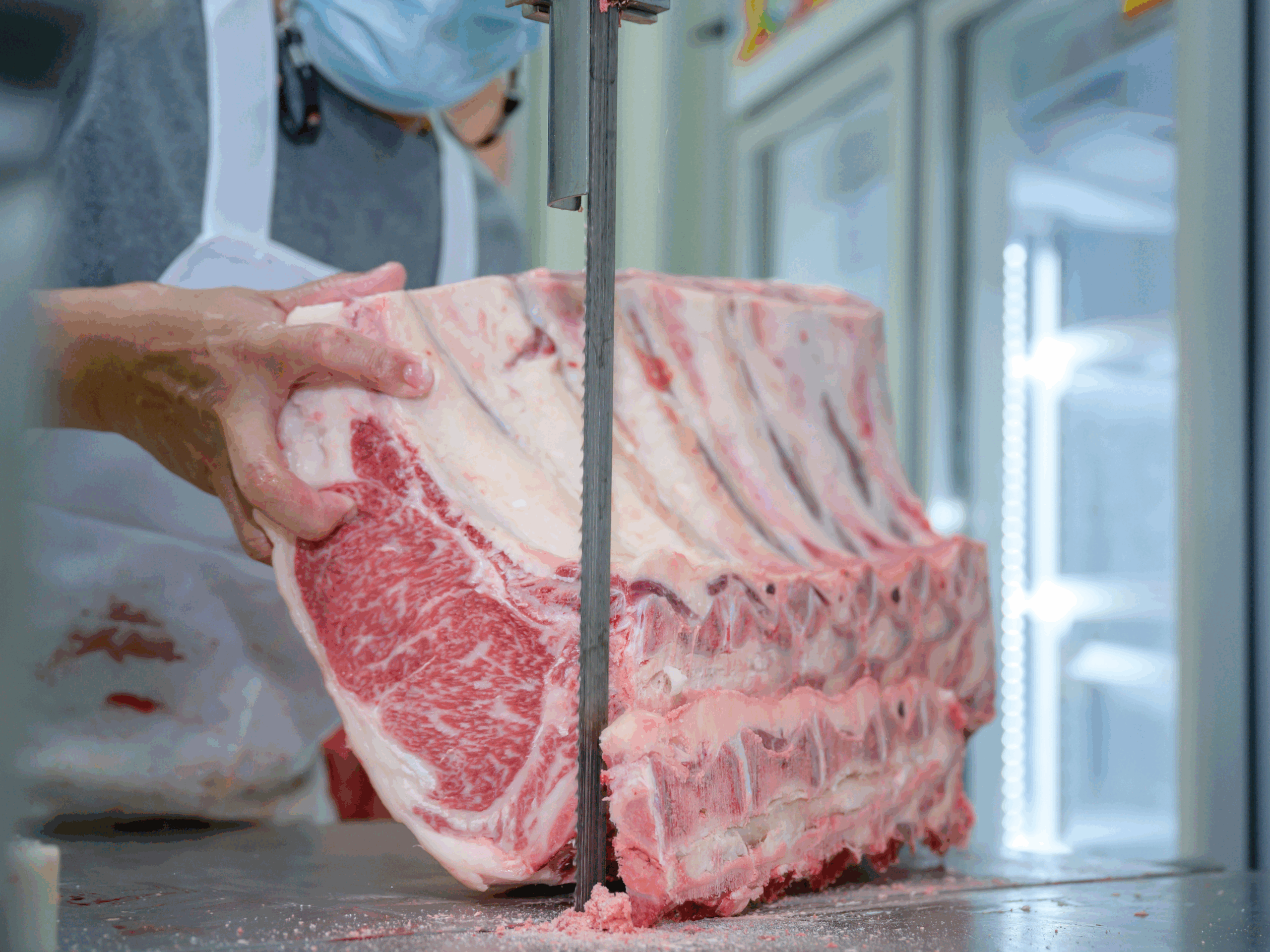
Local can mean different things, but most people use it to describe meat raised and processed within a short drive, with clear information about the farm and the process. At Wilson Farm Meats, local is personal. Our pork comes from Wilson Prairie View Farms in Walworth County. Our beef is raised nearby and custom cut to order at our Elkhorn facility. When meat stays close to home, it often moves from field to butcher more quickly and with less handling, which can help preserve flavor and tenderness.
Does Local Meat Taste Better? The Honest Answer
The shortest answer is sometimes. The long answer is that meat flavor depends on many factors, and local shops often have more control over those details. When you buy from a team that knows the farms, handles the aging in-house, and cuts to order, you tend to get meat that tastes clean, rich, and true to the animal. Still, not all local meat will outshine every grocery item, and personal taste matters. Your cooking method matters too. So when we ask does local meat taste better, we are really asking how the entire chain from farm to fork shapes your bite.
The Science of Flavor: Why Some Meat Tastes Better
Breed and Genetics
Breed sets the baseline for flavor and texture. Heritage pork breeds, for example, tend to have better marbling and deeper pork flavor. Wilson Farm Meats focuses on heritage breed pork from our own farm because we want consistent flavor you can count on. For beef, genetics also guide marbling, tenderness, and fat quality.
Feed and Pasture
Feed is flavor. Animals raised on balanced diets, with access to pasture when appropriate, develop fat that carries more complex taste. Grass, grains, and forage all leave a signature in the meat. Local shops that know their farms can tell you how animals were fed, which helps you pick the flavor profile you prefer.
Age and Growth Rate
Growth rate affects texture. Animals raised at a steady, healthy pace tend to produce meat that cooks more evenly and stays juicy. Meat from animals pushed to grow too fast can be watery and bland. Local producers often focus on quality rather than speed, which supports better flavor and texture.
Stress and Animal Handling
Calm animals make better meat. Stress can cause tough meat and off flavors. Careful handling and short transport times reduce stress and protect quality. With local sourcing, travel is shorter and oversight is tighter, which can improve tenderness and taste.
Freshness and Time to Case
Freshness is more than just the date. It is how quickly and carefully the meat moves from harvest to your kitchen. Local shops often shorten the timeline and manage temperature closely. That keeps flavors bright and natural.
Aging and Processing Methods
Aging matters. Beef that is dry aged develops nutty depth and tender bite. Wet aging in vacuum can enhance tenderness and keep beef juicy. The best method depends on the cut and your taste. At Wilson Farm Meats, we control aging and cut to order, which helps you find your sweet spot. Grinding fresh for burgers and sausage also boosts flavor, since fat remains firm and clean.
Expectation vs Reality: Is It All in Your Head?
We eat with our eyes and our stories. If you walk into a local shop expecting a better bite, your brain may boost your experience. That is called expectation bias. The way to separate story from flavor is to compare samples without knowing which is which. That is where a blind taste test comes in. Still, even when bias plays a role, it does not mean the flavor difference is not real. A shop that controls sourcing, aging, and cutting can deliver meat that stands out. The question does local meat taste better is best answered by your own taste buds.
How to Run a Blind Taste Test at Home
Set aside one evening to test for yourself. You only need two samples of the same cut cooked the same way. Keep it simple and fair.
- Pick the cut. Choose beef ribeye, pork chops, or chicken thighs. Pick the same thickness for both samples.
- Buy the samples. Get one from Wilson Farm Meats and one from a large chain store. Ask for similar weight and grade if possible.
- Label in secret. Have a friend label the packages A and B so you do not know which is which. Trim and season both the same way with only salt.
- Cook side by side. Use the same pan and temperature. Flip at the same time. Check doneness with a thermometer. Rest both for 5 minutes.
- Taste and score. Rate tenderness, juiciness, beef or pork flavor, and overall satisfaction from 1 to 5. Rinse your palate with water between bites.
- Reveal and discuss. Compare notes with your family or friends. Decide which you prefer and why.
Try it with a second cut to confirm your results. You can also test ground beef or bacon. Many customers find local meat wins for clean flavor and satisfying texture, but your results may vary.
Cooking Tips That Maximize Flavor
General Tips
- Thaw in the fridge. Slow thawing protects texture and keeps moisture in the meat.
- Salt early. For steaks and chops, salt 40 minutes before cooking or the night before. For poultry, dry brine with salt under the skin.
- Pat dry. Dry surfaces brown better and develop a crust that locks in juices.
- Use a thermometer. Pull steaks at 125 to 130 F for medium rare, pork chops at 140 F, and chicken breasts at 160 F. Rest before slicing.
- Do not overcrowd the pan. Give each piece space to sear.
For Beef
- Sear in a hot skillet, then finish in the oven for even doneness.
- Let roasts rest 15 to 20 minutes before slicing.
- Season simply with salt and pepper to taste true beef flavor.
For Pork
- Do not overcook. Slight blush is okay at 140 F after rest.
- Pair with apples, mustard, or herbs to highlight pork’s sweet richness.
- Choose heritage pork from Wilson Farm Meats for deep flavor and marbling.
For Poultry
- Air dry chicken in the fridge for a few hours before cooking to crisp the skin.
- Cook thighs longer than breasts to render fat and keep them juicy.
- Season under the skin for better penetration.
What to Ask Your Butcher
Good questions lead to great meals. At Wilson Farm Meats, we welcome them.
- Where was this animal raised, and what was it fed?
- Is this beef dry aged or wet aged, and for how long?
- When was this ground beef or sausage made?
- Can you cut this steak thicker or thinner for my recipe?
- What do you recommend for the grill this week?
A local shop can often cut to your exact needs and point you to the ideal choice for both flavor and budget.
Spotlight on Wilson Farm Meats
Wilson Farm Meats is a family-owned butcher shop with deep roots in Walworth County. Our team blends farming know-how with careful processing to deliver a true farm to table experience. Here is what we offer at our Elkhorn store at 406 S. Wisconsin Street, Elkhorn, WI 53121.
Pork from Wilson Prairie View Farms
Our heritage breed pork is raised in Walworth County with a focus on flavor and quality. Customers notice juicy chops, rich shoulder roasts, and bacon with a clean, smoky finish. The breed and feed create pork that stands out in simple recipes and special meals alike.
Locally Raised Beef, Cut to Order
We offer locally raised beef with custom cutting options. Tell us your preferred thickness or roast size. We will help you choose aging and cuts that suit your cooking style. From ribeyes for the grill to chuck roasts for Sunday braise, freshness and care come first.
Poultry and Seafood
We keep a selection of fresh poultry and seafood to round out your menu. Ask us for recommendations on weeknight chicken or a seafood special for guests.
Smoked Meats Made In-House
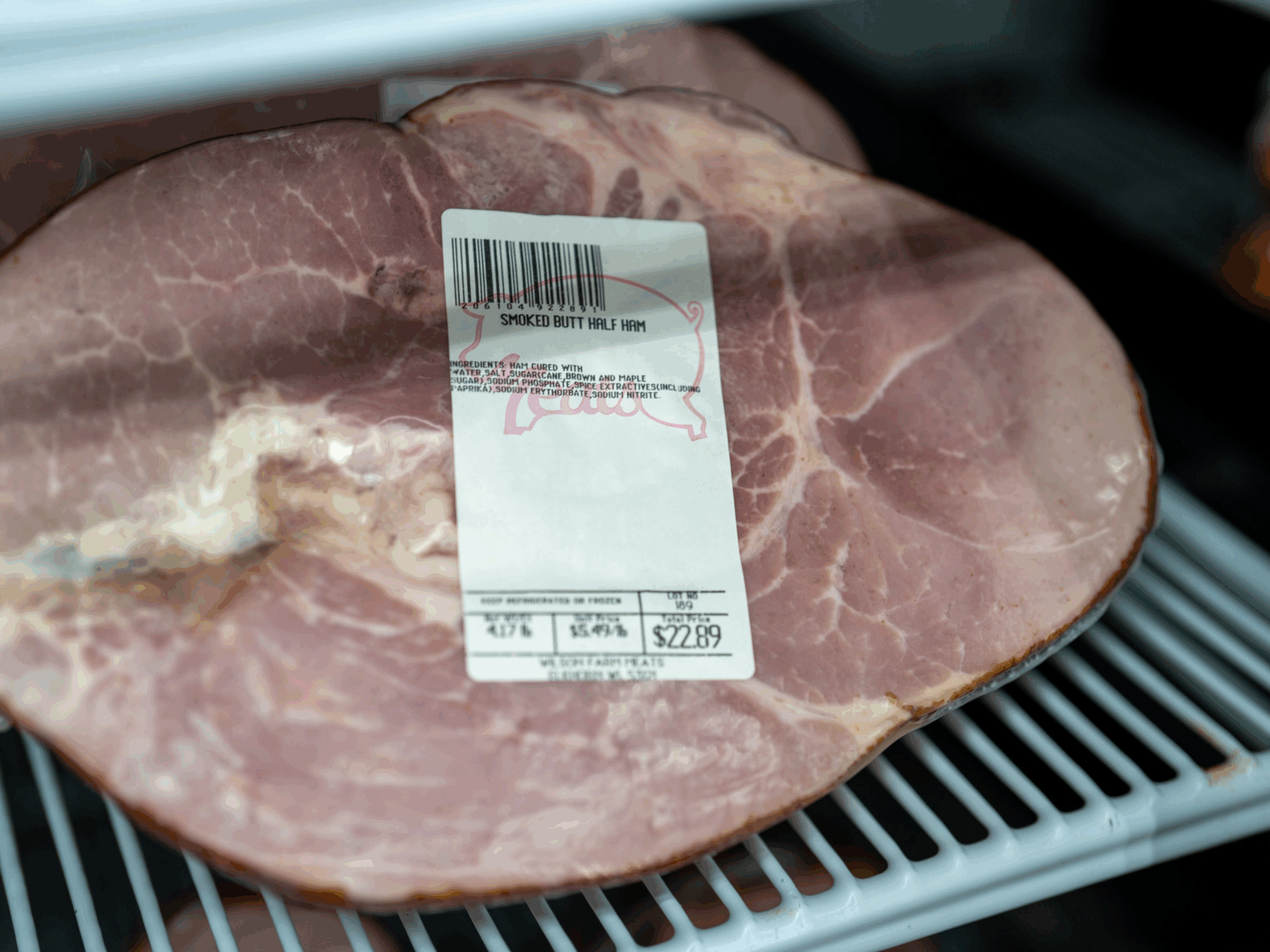
Our Elkhorn facility produces smoked favorites like bacon, ham, bratwurst, wieners, summer sausage, liver sausage, and ring bologna. These products are crafted with attention to seasoning and texture and are perfect for gatherings or quick meals.
Custom Processing and Special Orders
Wilson Farm Meats offers custom processing for locally raised beef, pork, lamb, and veal. We handle special orders with care, so you get the cuts and packaging you want for your family or event.
Specials, Events, and Value
Look for our Yearly Pig Sale, weekly specials, and value boxes. These offers help you stock your freezer with quality meats at competitive prices. We believe good meat should be within reach for busy families and food lovers alike.
Visit Us
Store hours are Monday to Friday 8:00 am to 5:00 pm, and Saturday 8:00 am to 2:00 pm. Stop by or learn more at WILSONFARMMEATS.COM. We are proud to serve our neighbors in Elkhorn and the wider Walworth County community.
Storage and Freshness Tips
Keeping meat fresh is part of great flavor. Use these guidelines to protect quality.
- Refrigerate promptly. Store raw meat on the bottom shelf to avoid drips.
- Short-term storage. Keep steaks and chops 3 to 5 days in the fridge, ground meat 1 to 2 days.
- Freeze for longer. Wrap tightly or vacuum seal. Label with the date. Most cuts keep best within 6 to 12 months.
- Thaw safely. Thaw in the fridge, not on the counter. For quick thawing, use cold water and cook right away.
- Avoid repeated freeze-thaw cycles. They can dry meat out and dull flavor.
Price, Value, and Yield
Local meat can cost a bit more at the register, though not always. The value often shows up in the pan. You may see less purge in the package and less shrinkage during cooking. Good marbling and balanced fat can help meat stay juicy and taste richer, which means more of what you pay for ends up on the plate. When you ask does local meat taste better, also ask does local meat yield better in my kitchen. Many home cooks find the answer is yes.
Health, Safety, and Peace of Mind
Quality sourcing and careful handling support food safety and a better eating experience. Local shops can tell you how meat was processed and packaged. Clear labeling and staff who know the product provide peace of mind. If you have questions about doneness, storage, or handling, your local butcher can guide you.
Community, Sustainability, and Trust
Buying local keeps dollars in the community and supports families who care about the land. Shorter transport can reduce the environmental footprint. You also gain transparency. You can ask about feed, care, and processing and get answers from someone who knows the farms. Wilson Farm Meats is proud to be part of the Elkhorn community and proud to support local agriculture.
So, Does Local Meat Taste Better?
When you look at breed, feed, aging, freshness, and handling together, local shops have many chances to improve flavor. They can choose better genetics, manage transport, age meat with care, and cut to order. Those steps add up. If you cook thoughtfully, you will likely taste a real difference. Still, the best way to know is to try it yourself. Run a blind test with a steak or chop. Trust your palate more than the marketing.
At Wilson Farm Meats, we welcome you to taste and decide. We are at 406 S. Wisconsin Street in Elkhorn, open Monday to Friday 8:00 am to 5:00 pm and Saturday 8:00 am to 2:00 pm. Explore our heritage breed pork from Wilson Prairie View Farms, locally raised beef, fresh poultry and seafood, and in-house smoked specialties. Check weekly specials, value boxes, and our Yearly Pig Sale at WILSONFARMMEATS.COM. If you have ever wondered does local meat taste better, stop in, ask questions, and take home cuts that let flavor speak for itself.
Quick FAQ: Your Top Questions Answered
Why might local meat have more flavor?
Better control over breed, feed, stress, aging, and time to case. Local shops know their farms and can keep quality high from start to finish.
Is it always better?
Not always. Quality varies. Cooking skills and personal taste matter. Compare cuts side by side to see what you prefer.
What cuts show the biggest difference?
Steaks and pork chops often show clear differences in tenderness and juiciness. Ground beef and bacon can show differences in richness and clean finish.
How can I get the best results at home?
Buy fresh, cook to proper temperature, rest the meat, and season simply. Ask your butcher for cooking tips tailored to the cut.
Where can I find local meat in Elkhorn?
Visit Wilson Farm Meats at 406 S. Wisconsin Street, Elkhorn, WI 53121. Learn more at WILSONFARMMEATS.COM. Our team is ready to help you find cuts you will love.