Worried About Grey Steak? You Are Not Alone
If you have ever opened a package from the store and thought, why is my steak grey, you are not the only one. Color changes in beef can be confusing, and a dull grey surface can make even the best cut feel less appetizing. The good news is that grey does not always mean spoiled. In many cases it is a normal part of how beef reacts to oxygen, temperature, and packaging. In this guide, the team at Wilson Farm Meats in Elkhorn, Wisconsin shares what causes color changes, how to tell when steak is safe to eat, and how to store and cook your meat so it looks and tastes its best.
First, What Gives Steak Its Color?
Beef gets its color from a natural protein called myoglobin. Myoglobin holds oxygen in muscle tissue. Its color shifts based on how much oxygen it is exposed to and how the meat is stored.
- When steak is freshly cut and not exposed to air, it can look purplish red. That is deoxymyoglobin. It is normal and safe.
- After a few minutes in air, it usually turns bright cherry red. That is oxymyoglobin. Many shoppers expect this color in the meat case.
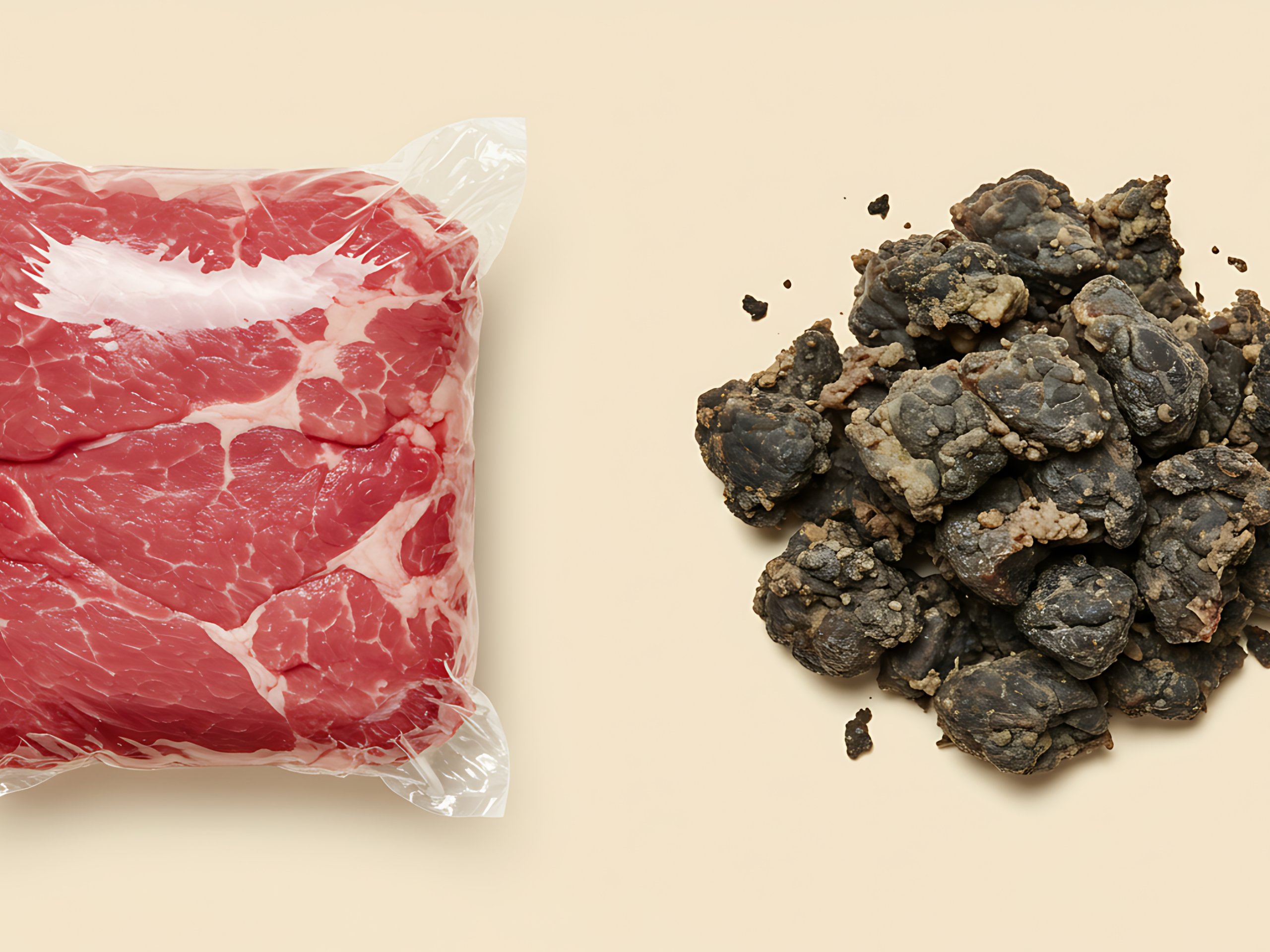
- After longer exposure or limited oxygen, it can turn brownish or grey. That is metmyoglobin. This change is often harmless and does not always mean spoilage.
These shifts happen naturally, even in the best beef. Grocery packaging and storage can speed up or slow down the process, which is why two steaks from the same animal can look different on the same day.
Common Reasons Grocery Store Steak Turns Grey
1. Limited Oxygen in the Package
Modern grocery beef is often vacuum sealed. With less oxygen, the surface can look purplish at first and then take on a brown or grey tone. This is normal. Once you open the package and let the steak breathe for about 15 to 30 minutes, it often blooms to a redder color.
2. Modified Atmosphere Packaging
Some stores use special gases in sealed packages to keep meat looking red longer. Even then, areas pressed against the plastic or stacked in the tray may not get even air contact. Those parts can look grey or brown. It is a color effect, not a guarantee of freshness or spoilage.
3. Time and Temperature
Even with good handling, surface color shifts as time passes. Light, cold air, and slight drying in the case can all dull the red. If the steak stayed cold and smells clean, a mild grey tone is usually fine.
4. Moisture and Crowding
When steaks sit stacked or pressed together, the spots that do not get air can turn brown or grey. Excess liquid in the tray can do the same. It is a contact issue rather than a safety issue in many cases.
5. Natural Ageing
Beef flavor improves with a short aging period, but color may darken a little as it ages. Dry-aged surfaces are often darker before trimming. Wet-aged steaks can look slightly browner as days pass. With proper refrigeration, this is expected.
6. Light Exposure
Display case lighting can speed up oxidation. Edges closest to the light might change color faster. This is more about presentation than safety.
When Grey Means You Should Not Eat It
Color is not a perfect test. A steak can be bright red and still be unsafe if it was stored too warm, and a grey steak can be fine if it stayed cold and clean. Use all your senses and pay attention to dates.
- Smell: A sour, putrid, or fishy odor is a strong sign to discard.
- Texture: A sticky or slimy surface that does not rinse away with cold water is a warning sign.
- Appearance: Greenish spots, mold, or a heavy brown-black tone across the whole surface with off odors means do not risk it.
- Dates: Respect use-by dates. Sell-by dates are for the store, but they help you judge freshness. If it is far past the date and looks or smells off, toss it.
If you ever wonder why is my steak grey and also notice a sour smell or sticky texture, do not eat it. When in doubt, it is better to be safe.
Grey on the Inside After You Cut It Open
Sometimes a steak looks beautiful on the outside, but once you open it you see a duller interior. That inside portion was protected from oxygen in the package, so it may look more brown or grey. Give it a few minutes in the open air. Many times the interior brightens as myoglobin mixes with oxygen. If it smells clean and the texture is firm and moist, this is normal.
Grey After Cooking: What It Means
Cooking changes color through heat, not oxygen. A grey or pale steak after cooking usually means the surface did not brown well. That is a searing issue rather than a food safety problem, as long as you handled the raw meat safely.
- Pan too crowded: Too many steaks at once trap steam and prevent browning.
- Surface too wet: Water on the steak must evaporate before the Maillard reaction kicks in. Pat steaks dry before seasoning.
- Heat too low: Use a hot cast iron or heavy skillet and preheat it.
- No rest after sear: Letting the steak rest allows juices to settle and color to even out.
If your steak turns grey inside even at a safe temperature, it may be overcooked. For most cuts, medium rare to medium keeps a rosy interior. Use a thermometer for accuracy. The USDA recommends cooking steaks to at least 145 degrees Fahrenheit with a 3 minute rest. If you enjoy pinker steaks, be sure to source high quality meat and handle it safely from fridge to pan.
How To Store Steak To Keep Color and Quality
Short-Term Storage in the Fridge
- Temperature: Keep your fridge at 34 to 38 degrees Fahrenheit.
- Timing: Use fresh steaks within 2 to 3 days.
- Placement: Store on the lowest shelf or a meat drawer to avoid drips.
- Packaging: Keep original packaging until you are ready to cook. If you rewrap, use butcher paper or an airtight container.
Freezing Tips
- Wrap tight: For longer storage, wrap in plastic or butcher paper, then place in a freezer bag. Push out as much air as possible to prevent freezer burn, which can make meat look grey and dry.
- Label and date: Quality is best within 6 to 12 months for steaks.
- Thaw safely: Thaw in the fridge, not on the counter. For a faster method, use a sealed bag in cold water and change the water every 30 minutes.
After Thawing
Thawed steak can look darker or slightly grey on the surface. That happens from ice crystals and moisture shifts. If it smells fresh and feels firm, it is fine to cook. Do not refreeze raw steak thawed at room temperature. If you thawed in the fridge, you can refreeze, but texture may suffer. Cooking first before refreezing is often better.
How To Bring Back a Beautiful Sear and Great Flavor
- Pat dry: Moisture is the enemy of browning. Use paper towels.
- Season smart: Salt just before cooking or at least 40 minutes ahead for a dry brine.
- Preheat: Get your pan or grill hot before the steak touches it.
- Do not crowd: Give each steak space so steam can escape.
- Use the right fat: A small amount of high smoke point oil helps browning.
- Flip with purpose: Sear each side until deep brown. Spoon butter and aromatics over the steak near the end if you like.
- Rest: Let it rest a few minutes so juices redistribute.
- Check temperature: Use a thermometer to hit your target doneness.
These simple steps help even a slightly grey surface bloom into a tasty, browned crust that looks great on the plate.
FAQ: Quick Answers to Common Color Questions
Why is my steak grey right out of the package?
It likely had limited oxygen in vacuum packaging. Let it sit in clean air for 15 to 30 minutes. If it smells and feels normal, it should be fine.
Is grey meat always bad?
No. Grey or brown color alone does not mean spoilage. Use smell, texture, and dates to judge safety.
Why is my steak grey after I cook it?
Usually from poor browning due to moisture, low heat, or crowding. Dry the steak and preheat your pan.
Does marinating make steak look grey?
Acidic marinades can change surface color. That is a normal reaction. As long as the steak smells fresh and was kept cold, it is safe.
What about a rainbow sheen on beef?
A slight iridescent sheen can come from the way light reflects off muscle fibers. If there is no off odor or slime, it is often harmless.
Grey ground beef vs grey steak
Ground beef has more surface area and oxidizes faster. If ground beef is grey all the way through and smells off, discard it. A steak can be grey on the surface but still fine if it smells clean and feels firm.
Why Shop Wilson Farm Meats for Your Next Steak
At Wilson Farm Meats, we believe the best meals start with trust. Our family has been farming in Walworth County for over 150 years, and we are proud to bring that heritage to every cut. When you ask why is my steak grey, our butchers take the time to explain what is happening with your beef and how to get the best results in your kitchen. We offer locally raised beef that is custom cut to your preferences, so you get the thickness, marbling, and trim you want. That level of care helps you enjoy consistent color and quality at home. Our pork comes from our own Wilson Prairie View Farms, a heritage breed program known for rich flavor and tenderness. We also carry fresh poultry and a rotating selection of seafood to round out your menu.
Looking for something special for the weekend? Our Elkhorn facility produces a full line of smoked favorites, including bacon, ham, bratwurst, wieners, summer sausage, liver sausage, and ring bologna. If you are curious about how smoke and cure affect color, our team is happy to explain why cured meats stay pink even when fully cooked. We love sharing the science in a neighborly way that makes cooking more fun.
We also provide custom processing for locally raised beef, pork, lamb, and veal. If you raise animals or buy by the half or whole, we can handle special cuts and wrapping to keep your freezer stocked the way you like. Ask about dry-aging options and vacuum sealing to protect color and quality over time.
Want value without sacrificing quality? Check our weekly specials and value boxes. Many customers plan meals around these deals to save on steaks, chops, and roasts. Each year we host our Yearly Pig Sale, a community favorite that fills freezers across Elkhorn and beyond. For updates, stop in or visit WILSONFARMMEATS.COM.
A Few Extra Tips From Our Butcher Counter
- Ask for thicker cuts if you like medium rare. Thicker steaks are easier to sear outside while keeping a rosy center.
- Let steaks sit unwrapped on a rack in the fridge for a few hours before cooking. Dry surfaces brown better.
- If you see a little grey where a steak was folded or pressed in the package, that is normal. It will sear up beautifully.
- If you are ever unsure about freshness, bring the steak in or give us a call. We are happy to take a look and help.
Community, Quality, and Confidence on Your Plate
Wilson Farm Meats is more than a store. We are a family business rooted in Elkhorn, Wisconsin, focused on honest sourcing and neighborly service. When you shop with us, you get beef cut to order, pork raised on our own farm, and a staff that takes pride in helping you cook with confidence. If you came here wondering why is my steak grey, we hope you leave feeling informed and ready to cook a meal you are proud to share.
Visit Wilson Farm Meats
We would love to see you. Stop by our Elkhorn store at 406 S. Wisconsin Street, Elkhorn, WI 53121. Our hours are Monday to Friday from 8:00 am to 5:00 pm and Saturday from 8:00 am to 2:00 pm. Browse our beef, pork, poultry, seafood, and smoked specialties. Ask about weekly specials, value boxes, and custom processing. You can also learn more at WILSONFARMMEATS.COM.
Bottom Line: Grey Is Not Always a Deal Breaker
If you are staring at a package and wondering why is my steak grey, remember this simple checklist. Color alone does not decide freshness. Smell for any sour notes. Check for slimy or sticky texture. Look at the date. If it passes these tests and was kept cold, a grey patch is usually just a sign of limited oxygen or natural oxidation. Pat it dry, season it well, and give it a hot sear. With quality beef and a little know-how, you will bring back that appetizing crust and full flavor.
For personal guidance on choosing the right cut, storing it properly, and cooking it to perfection, the Wilson Farm Meats team is here to help. From our family farm roots to your dinner table, we are proud to support the Elkhorn community with honest meats and friendly advice every day.