Hanging Weight vs Take Home Weight: What Those Terms Mean
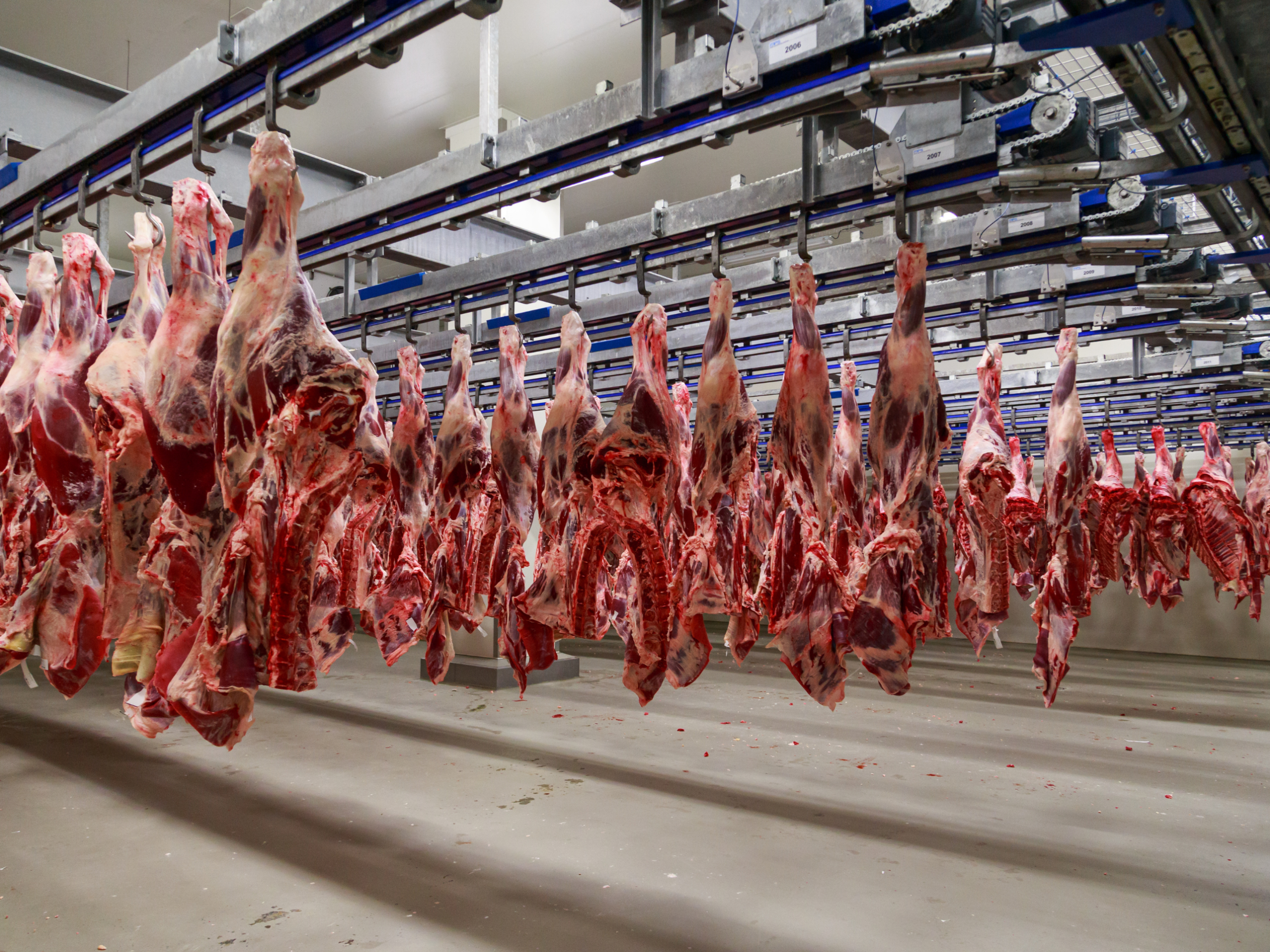
If you are buying a share of beef or pork from a farmer or scheduling custom processing, you will hear two phrases that shape your budget and your freezer plans. The first is hanging weight, which is the weight of the carcass after the animal is harvested and the hide, head, feet, blood, and organs are removed. The second is take home weight, sometimes called boxed weight or freezer weight, which is the total weight of the packaged cuts you bring home after trimming, deboning, cutting, and wrapping. Understanding hanging weight vs take home weight helps you set clear expectations, compare prices fairly, and choose cuts that fit your cooking style.
Many processors and farmers price animals by hanging weight because it is a standardized, verifiable number recorded at the plant. Your take home weight is always lower than the hanging weight due to moisture loss, trimming, and bones left behind. The amount you receive depends on the species, the way you want your meat cut, and how much bone-in product you request.
Where Does the Weight Go During Processing?
Harvest and Dressing
Right after harvest, the hide, head, organs, feet, and blood are removed. This is why the live weight is always higher than hanging weight. For beef, the hanging weight is often about 60 to 64 percent of live weight. For pork, it is usually 70 to 74 percent. Lamb tends to be around the mid 50s. These are typical ranges and can vary based on breed, age, finish, and season.
Trimming and Deboning
Once the carcass is cooled, your processor trims away excess fat and gristle to prepare retail cuts. If you choose boneless steaks and roasts, your take home weight decreases, since bones are not packed with your meat. If you select more bone-in cuts like T-bones, bone-in pork chops, or bone-in roasts, your freezer weight increases because the bones are included in the packaged weight you keep.
Moisture Loss During Chilling and Aging
As meat chills, it loses some moisture. Dry aging, common for beef, can improve tenderness and flavor but also causes additional weight loss due to evaporation and exterior trim. A longer aging period can yield better eating quality, with a small tradeoff in final pounds taken home. Pork, lamb, and veal are usually not aged as long as beef.
Grind Choices and Fat Ratio
Your grind plan affects final pounds. If you grind trim at an 80 to 20 lean to fat ratio, more fat is retained in the grind. If you prefer 90 to 10, your processor removes more fat, which lowers packaged weight a bit. Asking for extra lean grinds will reduce take home weight compared to keeping more balanced blends.
Typical Yield Percentages You Can Expect
Every animal is different, and every cut sheet is unique. Still, the ranges below can help you plan. Keep in mind that the start point here is hanging weight, not live weight.
- Beef: From hanging weight to take home weight, many customers see about 60 to 70 percent when choosing a mix of bone-in and boneless cuts. Very boneless-focused cut sheets may yield closer to 55 to 65 percent. Choosing more bone-in cuts can push your yield higher.
- Pork: From hanging weight to take home weight, you might take home about 65 to 80 percent, depending on how much is cured and smoked and how much is boneless. Pork typically has a higher retail yield than beef.
- Lamb: From hanging to take home, yields often range 60 to 70 percent with a balanced bone-in cut sheet.
Why are pork yields often higher than beef? Pork sides are typically smaller, with thinner bones and less required trimming for common retail cuts. Beef primals are larger and involve more external fat trim and optional deboning to create common steak cuts.
Simple Example: Calculating Your Freezer Meat
Let’s walk through an example using realistic numbers. This can help you estimate how much space you need and how much you will pay if your processor charges by hanging weight.
- Assume you purchase a half beef with a hanging weight of 400 pounds.
- You choose a standard cut sheet that includes bone-in steaks, some boneless roasts, stew meat, and 80 to 20 ground beef.
- After cutting, trimming, and packaging, your take home weight might be around 260 pounds if your yield is about 65 percent of hanging weight.
- If your processor or farmer charges by hanging weight at a set price per pound, your cost basis is the 400 pounds, not the 260 pounds. The yield difference explains why the price per pound of take home meat can seem higher than the per pound hanging weight price suggests.
Now consider pork. If you buy a half hog with a hanging weight of 100 pounds and you select a classic cut sheet with bone-in chops, roasts, bacon, and ham, your take home weight could be around 70 to 80 pounds depending on curing and smoking. Curing and smoking can reduce weight due to moisture loss during the process, though it boosts flavor and value.
How Your Cut Choices Change Your Take Home Weight
Your choices are the single biggest factor in the hanging weight vs take home weight equation. You do not control the animal’s live weight, but you do control whether bones are removed, how thick your steaks are, and how much trim becomes ground.
- Bone-in vs boneless: Bone-in cuts add weight to your packages. Boneless cuts are convenient and easy to portion, but they reduce your take home pounds.
- Steak thickness: Thicker steaks mean fewer individual packages, but not more overall weight. However, thicker steaks often require less edge trim than very thin steaks.
- Roasts vs stew meat: Turning roasts into stew meat increases trimming and may slightly reduce final weight, though it can increase convenience.
- Grind selection: Keeping more trim in the grind raises take home weight. Very lean grinds reduce the pounds you bring home.
- Organs and extras: Choosing liver, heart, tongue, fat, and soup bones increases the pounds you receive and reduces waste. If you opt out, your take home weight drops.
- Smoked products: Bacon, ham, and other smoked or cured items lose moisture during processing. They finish lighter than their raw starting weight, though the flavor payoff is substantial.
Tips To Maximize Value From Your Custom Order
If your goal is to get the most usable meat for your money, a few simple choices can make a big difference. These tips can help you navigate hanging weight vs take home weight while also balancing convenience and flavor.
- Choose more bone-in cuts for higher packaged weight. T-bones, bone-in pork chops, and bone-in roasts help maximize pounds.
- Keep trim for ground meat rather than discarding extra fat. An 80 to 20 or 85 to 15 grind balances flavor and value.
- Request soup bones and marrow bones. They add weight and make amazing broths and stocks.
- Ask for organs if you enjoy them. Liver, heart, and tongue are nutrient-dense and versatile in the kitchen.
- Be flexible on steak thickness. Very thin steaks can lead to a bit more trim loss. One to one and a quarter inch is a practical, flavorful range for many grills and pans.
- Plan for smoked items. Bacon and ham shrink during curing and smoking. They are worth it, but factor that into your expectations.
- Choose packaging that fits your household. Vacuum sealing often extends freezer life and reduces freezer burn. Smaller package sizes help you thaw only what you need.
- Think about how you cook. If you slow-cook often, keep more roasts. If you love quick weeknight meals, add more steaks and chops. The right balance reduces waste and boosts value.
- Work closely with your processor. Clear instructions on a cut sheet are your best tool for dialing in quality and yield.
Why Work With Wilson Farm Meats
Wilson Farm Meats is a family-owned business in Elkhorn, Wisconsin, with more than 150 years of farming heritage. The Wilson family is committed to honest, quality meat and a true farm-to-table experience. When you order through Wilson Farm Meats, you are working with a local team that takes time to explain hanging weight vs take home weight and helps you fill out a cut sheet that reflects how your household cooks.
Our pork is sourced from our own Wilson Prairie View Farms in Walworth County. These heritage breed hogs are known for remarkable flavor and consistent quality. For beef, we partner with local producers and offer custom cutting to your preferences so you get exactly what you want in your freezer. In addition to beef and pork, you will find a rotating selection of poultry and seafood at WILSONFARMMEATS.COM and in our Elkhorn store.
Wilson Farm Meats also crafts a wide range of smoked specialties in our Elkhorn facility. Customers love our bacon, ham, bratwurst, wieners, summer sausage, liver sausage, and ring bologna. These are the kinds of products that make custom processing fun, since you can add options that match your taste, family traditions, and meal plans.
We provide custom processing services for locally raised beef, pork, lamb, and veal. If you have special requests, our team is happy to help. We also run annual and seasonal specials, including our Yearly Pig Sale, weekly specials, and value boxes that make stocking your freezer easy and affordable.
Visit us at 406 S. Wisconsin Street, Elkhorn, WI 53121. Store hours are Monday to Friday 8:00 am to 5:00 pm and Saturday 8:00 am to 2:00 pm. We welcome your questions, whether you want help reading a cut sheet or you are comparing hanging weight vs take home weight for your next purchase. When you shop with Wilson Farm Meats, you support a local, community-focused team that stands behind every package.
Frequently Asked Questions About Hanging Weight vs Take Home Weight
Why do many farms and processors charge by hanging weight?
Hanging weight is a standardized, measured number recorded right after harvest. It is consistent across animals and easier to verify than live weight or individual boxed weight totals. Pricing by hanging weight also keeps the process fair when different cut sheets produce different take home weights.
How much meat will I actually bring home?
As a general guide, many beef orders return 60 to 70 percent of the hanging weight as packaged meat. Pork often yields 65 to 80 percent, while lamb typically falls in the 60 to 70 percent range. Your final number depends on cut choices, fat levels, aging, and how much bone-in product you keep.
Does dry aging reduce take home weight?
Yes, beef loses some moisture during aging, and the dried exterior is trimmed. The tradeoff is improved tenderness and flavor. Many customers find that a modest aging period is well worth a small reduction in pounds.
Is bone-in meat a better value for hanging weight vs take home weight?
Bone-in cuts usually increase your take home pounds since bones are included in your packages. They can also cook beautifully and add flavor. If convenience is a top concern, boneless cuts are easy to portion, though they reduce your take home weight.
What about grind fat percentage?
Leaner grinds, like 90 to 10, reduce weight because more fat is trimmed away. Balanced grinds like 80 to 20 keep more of the carcass weight in your packaged meat and often deliver better juiciness in burgers and meatloaf.
How much freezer space do I need?
A helpful rule of thumb is 1 cubic foot of freezer space per 30 to 35 pounds of packaged meat. A half beef often needs 8 to 10 cubic feet. A half hog might need 2.5 to 4 cubic feet, depending on the cut sheet.
Can I keep organs, fat, and soup bones?
Usually, yes. If you request them on your cut sheet, these items add to your take home pounds and expand your cooking options. They are great for nutrient-dense meals and homemade broth.
Why is my smoked bacon or ham lighter than I expected?
Curing and smoking draw out moisture and render some fat, which reduces weight. The result is deeply flavored, ready-to-cook products with exceptional taste and texture.
How do I compare quotes from different farms or processors?
Always ask whether pricing is based on live weight or hanging weight and request sample yield estimates for the cut sheet you want. Comparing hanging weight vs take home weight across providers will help you make an apples-to-apples decision.
Ready To Order? Here Is How To Get Started With Wilson Farm Meats
- Decide what you want to buy. Choose from locally raised beef, pork from Wilson Prairie View Farms, lamb, or veal. If you are unsure, our team can recommend a size and share that fits your household.
- Reserve your spot. Contact Wilson Farm Meats or stop by our Elkhorn store to schedule processing and discuss timing. We will walk you through the basics of hanging weight vs take home weight so you know what to expect.
- Complete your cut sheet. Tell us your preferred steak thickness, bone-in vs boneless choices, roast sizes, grind ratio, and any smoked products you would like. If you want organs, soup bones, or fat, mark those too.
- Plan your packaging. Choose vacuum seal or paper wrap, ideal package sizes, and clear labeling that makes weeknight cooking easy.
- Consider aging preferences. For beef, we can explain how aging impacts flavor and pounds so you can pick the best balance for your needs.
- Pick up your order. We will notify you when your meat is ready. Visit us at 406 S. Wisconsin Street, Elkhorn, WI 53121. Hours are Monday to Friday 8:00 am to 5:00 pm and Saturday 8:00 am to 2:00 pm.
- Stock the rest of your kitchen. While you are here, browse our fresh poultry and seafood, specialty smoked meats, and weekly value boxes. You can also learn more at WILSONFARMMEATS.COM.
The Bottom Line on Hanging Weight vs Take Home Weight
In custom processing, hanging weight vs take home weight simply reflects the natural steps of harvest, trimming, and cutting. You are not losing value. You are transforming a carcass into the exact cuts your family will cook and enjoy. If you choose more bone-in cuts, keep trim in your grinds, and request soup bones and organs, you will see higher take home pounds. If you choose boneless cuts and very lean grinds, expect a lower packaged total in exchange for convenience and lean eating.
At Wilson Farm Meats, we believe informed customers are happy customers. Our team will help you read your quote, understand yields, and make cut choices that fit your budget and your kitchen. Whether you come in for a half beef, a half hog from our Wilson Prairie View Farms heritage breed pork, or a few favorite smoked specialties, you will find friendly help, honest answers, and the kind of quality that keeps neighbors coming back. Stop in, say hello, and let’s plan your next order together.