Why Your Steak Is Tough and How to Fix It
Why is my steak tough? Learn the real reasons and simple fixes, from cut choice and resting to cooking temps and slicing. Get tender, juicy results tonight with this guide from Wilson Farm Meats in Elkhorn, Wisconsin.

Quick Answer: Why is my steak tough?
If you have ever taken a bite and wondered why your steak feels chewy or dry, it often comes down to a few common issues. Most tough steaks are the result of choosing a lean or connective tissue heavy cut, overcooking past the right internal temperature, not resting the meat, or slicing with the grain instead of against it. Moisture also plays a role. A wet surface, a cold center, or a lack of salt at the right time can all leave your steak less tender. The good news is that each of these problems has a simple fix you can use tonight.
- Choosing a cut that is naturally lean or full of connective tissue
- Not enough marbling or choosing a lower grade
- Cooking too hot and too long or too low for too long
- Skipping the rest after cooking
- Not salting early enough or salting unevenly
- Starting with a wet steak or overcrowding the pan
- Poking with a fork and losing juices
- Slicing with the grain instead of against it
Start With the Right Cut and Grade
Some cuts are naturally more tender
Steaks vary. Cuts from muscles that do less work have more tenderness. Ribeye, strip, filet mignon, and sirloin tip on the tender end will usually feel softer when cooked to the right temperature. Working muscles like chuck, round, flank, and skirt have more connective tissue. Those can be amazing if cooked and sliced properly, but they need extra care. When you shop at Wilson Farm Meats, our team can help you pick a cut that matches your cooking method and time.
Marbling matters more than you think
Marbling is the fine web of fat inside the muscle. It melts as the steak cooks and keeps each bite moist and tender. Beef grades like Prime and Choice have more marbling than Select. When tenderness is your top goal, marbling is your friend. Wilson Farm Meats offers locally raised beef that can be custom cut to your preferred thickness so you can enjoy the ideal blend of marbling and portion size.
Thickness changes everything
Thin steaks cook so fast that they can jump from perfect to overdone in a minute. Thicker steaks give you more control, especially if you plan to reverse sear or use a thermometer. Ask the Wilson Farm Meats counter for your preferred thickness so your cook method lines up with the steak. This one choice can prevent a lot of tough results.
Common Cooking Mistakes That Make Steak Tough
- Overcooking past your target temp. Heat tightens muscle fibers and squeezes out moisture. Once you push a ribeye to well done, it will feel firmer and drier.
- Too much heat for too long. A hard sear is great, but if you leave it screaming hot the whole time, the outer layers will dry before the inside finishes.
- Too little heat from start to finish. Low heat without a final sear can turn the surface gray and chewy.
- Skipping the rest. Hot steak juices need a few minutes to redistribute. Slice too soon and moisture runs out onto the board.
- Salting at the wrong time. A light, even coating of salt at least 40 minutes ahead or right before cooking works best. The in-between window can draw moisture to the surface without enough time to reabsorb.
- Cooking a wet steak. Surface moisture turns to steam and prevents a crisp crust. That steam can also make the outer layer feel rubbery.
- Poking with a fork. Every poke is a little juice escape. Use tongs to flip.
- Overcrowding the pan. Crowding lowers the pan temperature. You steam instead of sear.
- Slicing with the grain. Fibers stay long and chewy. You want to cut across those fibers to shorten them.
- Ignoring connective tissue. Skirt, flank, and hanger steak need high heat, a quick cook, a proper rest, and thin slices across the grain. If you skip any part, it can feel tough.
Fix It: Proven Methods For Tender, Juicy Steak
Dry brine with salt
Pat the steak dry, then season all sides with kosher salt. For best results, salt 40 minutes to 24 hours ahead and keep the steak on a rack in the fridge. The salt first draws moisture out, then dissolves and gets pulled back in, seasoning deeper and helping the muscle fibers hold onto juices. If you do not have time, season right before the steak hits the pan or grill.
Use a thermometer and cook by temperature
Color can be misleading. Thickness, pan type, and your stove can change how fast the center cooks. A quick-read thermometer removes guesswork and helps prevent toughness from overcooking.
- Rare: pull at 120 to 125 F. Carryover heat will reach about 125 to 130 F.
- Medium rare: pull at 125 to 130 F. Carryover to 130 to 135 F.
- Medium: pull at 135 to 140 F. Carryover to 140 to 145 F.
- Medium well: pull at 145 to 150 F. Carryover to 150 to 155 F.
- Well done: pull at 155 F plus. Expect a firm texture.
If tenderness is your goal, medium rare to medium is usually the sweet spot for most tender cuts. Connective tissue heavy cuts can also shine at medium if they are sliced thinly against the grain.
Master two reliable methods: hot sear and reverse sear
For thin to average steaks, a direct hot sear in a cast iron skillet or on a hot grill gives a crisp crust and a tender center. Aim for a hot surface, a light oil with a high smoke point, and about 1 to 2 minutes per side, then finish to temp. For thick steaks, try reverse sear. Cook the steak gently in a low oven or on the cool side of the grill until it is 10 degrees below your target, then finish with a quick hard sear. This gives even doneness and a tender bite with a great crust.
Rest, then slice against the grain
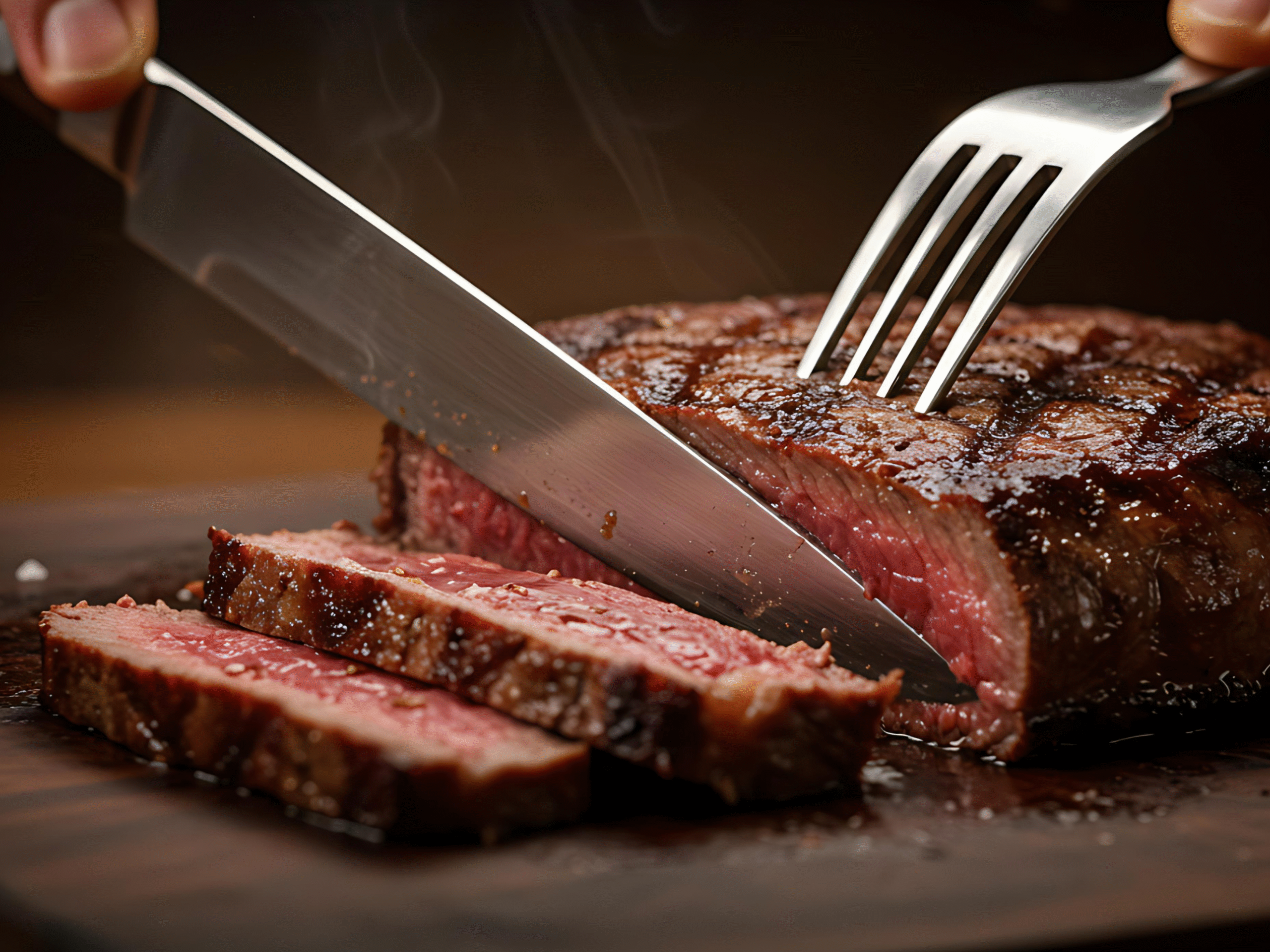
Resting is key. Let the steak sit on a warm plate or rack for 5 to 10 minutes depending on thickness. This short pause helps the juices settle. When you slice, turn the steak so you can cut across the visible lines of muscle. Thin slices shorten the fibers, which makes every bite feel tender.
Mechanical tenderizing and marinades
For lean or working-muscle cuts, use a meat mallet lightly to break up fibers. Or use a marinade that adds moisture and flavor. Acids like vinegar or citrus can help, but use a gentle approach. Too much acid for too long can make the surface mushy. Aim for 30 minutes to 2 hours for thin cuts. Keep it in the fridge and discard used marinade or boil it before using it as a sauce.
A simple marinade that keeps steak tender
- 3 tablespoons olive oil
- 1 tablespoon soy sauce or tamari
- 1 teaspoon Worcestershire sauce
- 1 teaspoon brown sugar or honey
- 1 teaspoon cracked black pepper
- 1 clove garlic, minced
- Optional splash of red wine or apple cider vinegar
Mix, coat the steak, and chill. Pat dry before searing so you still get a crust.
Step-by-Step: Your Tender Steak Game Plan Tonight
- Choose the right cut at Wilson Farm Meats. For reliable tenderness, grab ribeye, strip, or filet. If you choose flank or skirt, plan to cook hot and fast, rest well, and slice thinly against the grain.
- Ask for your preferred thickness. Around 1.25 to 1.5 inches gives you control and helps avoid overcooking.
- Dry brine. Pat dry. Season all sides with kosher salt. If you have time, refrigerate on a rack 40 minutes to overnight. If not, salt right before cooking.
- Prep your pan or grill. Preheat cast iron until just smoking or heat your grill to medium-high. Have tongs ready. Do not crowd the cooking surface.
- Oil and season. Lightly oil the steak or the pan. Add fresh pepper right before it hits the heat.
- Sear without fuss. Lay the steak down and let it sear until it releases easily and the crust forms. Flip once. For thick steaks, move to lower heat or oven to finish.
- Track internal temperature. Use a thermometer and pull the steak 5 to 10 degrees below your final target to account for carryover.
- Rest. Move to a warm plate and tent loosely for 5 to 10 minutes.
- Slice and serve. Find the grain and cut across it. Add a small pat of butter or finishing salt if you like.
How Wilson Farm Meats Helps You Succeed
Wilson Farm Meats is a family-owned local favorite in Elkhorn with a farming heritage that stretches over 150 years. Our team cares about quality from field to table, and we love helping neighbors cook with confidence. If you have wondered why is my steak tough, we can help you fix it before you even light the burner. Our locally raised beef is cut to your preference so you can start with the exact thickness your recipe needs. That alone makes a big difference for tenderness and consistency.
The meat case at Wilson Farm Meats offers more than beef. Our heritage breed pork from Wilson Prairie View Farms in Walworth County is known for rich flavor and beautiful marbling. We also carry fresh poultry and seafood for weeknights and special dinners. If you are in the mood for something ready to enjoy, try our specialty smoked meats. Bacon, ham, bratwurst, wieners, summer sausage, liver sausage, and ring bologna are all processed in our Elkhorn facility.
Need a special cut or a larger order for a family gathering. We provide custom processing for locally raised beef, pork, lamb, and veal. If you want value and variety, check out our weekly specials and value boxes. Our Yearly Pig Sale is a community favorite. Stop in and ask what is new this week. We are located at 406 S. Wisconsin Street, Elkhorn, WI 53121. Store hours are Monday to Friday from 8:00 am to 5:00 pm and Saturday from 8:00 am to 2:00 pm. Visit us to talk with our team, ask questions, and pick out the right steak for your grill or skillet.
Troubleshooting FAQ: Why is my steak tough in these situations
Why is my steak tough on the grill
Grill heat can spike. If the fire flares, the outside dries while the inside lags. Keep one cool zone and move the steak as needed. Brush the grates clean and preheat well so you get grill marks without sticking. Use a thermometer and pull early. Rest, then slice across the grain. If you are cooking a thin cut like flank, keep it hot and fast, then slice very thin.
Why is my pan-seared steak tough
A cool pan and crowded skillet steam the steak. Preheat cast iron until a drop of water skitters. Cook one or two steaks at a time. Pat them dry. Sear, flip, then lower the heat to finish. Baste with a little butter in the last minute for flavor and a gentle finish. Pull at temp, then rest.
Why is my sous vide steak tough
If a sous vide steak feels tough, either the temp was too low for the cut or the sear afterward was too long. For most tender cuts, 129 to 134 F for 1 to 3 hours works well, then a quick high-heat sear of 30 to 45 seconds per side. For tough, working-muscle cuts, a longer bath helps, or choose a different method like hot-and-fast followed by a thin slice across the grain.
Why are my leftovers tough
Reheating can overcook the steak. Warm leftovers gently. Try slicing thin and warming quickly in a skillet with a splash of broth or butter, or enjoy them at room temperature over a salad. Avoid the microwave on high, which can turn tender meat dry.
Slicing and Serving Tips That Boost Tenderness
Even a well-cooked steak can feel tough if it is sliced the wrong way. Look for lines running through the meat. Those are muscle fibers. Turn the steak so your knife crosses those lines. Use a sharp knife and make clean, even cuts. For cuts like flank or skirt, aim for very thin slices on a slight angle. Add a little finishing salt and a drizzle of resting juices to bring moisture back to the plate.
Safe Handling Tips That Protect Tenderness
- Keep steak cold until seasoning time. If you want to take the chill off, do it briefly while you preheat. Keep total time at room temperature well under two hours.
- Use separate boards for raw meat and vegetables to avoid cross contamination.
- Marinate in the fridge, not on the counter. Discard used marinade or boil it if you want to serve it.
- Clean your thermometer probe between checks.
Putting It All Together
If you have been asking why is my steak tough, the solution usually begins at the butcher counter and ends with a smart rest and a good slice. Pick the right cut with natural tenderness or plan a method that matches a leaner, working-muscle cut. Season well, cook by internal temperature, give the steak a short rest, and slice across the grain. Each small step adds up to a tender, juicy result.
When you shop at Wilson Farm Meats, you do not have to do it alone. Our team is happy to recommend cuts, thickness, and cooking methods that fit your schedule and budget. You will find locally raised beef, heritage breed pork, and a wide selection of poultry and seafood. You will also find smoked favorites made right here in Elkhorn. Visit us at 406 S. Wisconsin Street, Elkhorn, WI 53121. We are open Monday to Friday from 8:00 am to 5:00 pm and Saturday from 8:00 am to 2:00 pm. Bring your questions. Leave with a plan and a great steak.
Ready to fix tough steak tonight. Stop by Wilson Farm Meats or browse our offerings at WILSONFARMMEATS.COM. We are proud to be part of the local food community and to help you make every meal from our farm to your table tender and memorable.