Why Smoked Ham Deserves Care and Attention
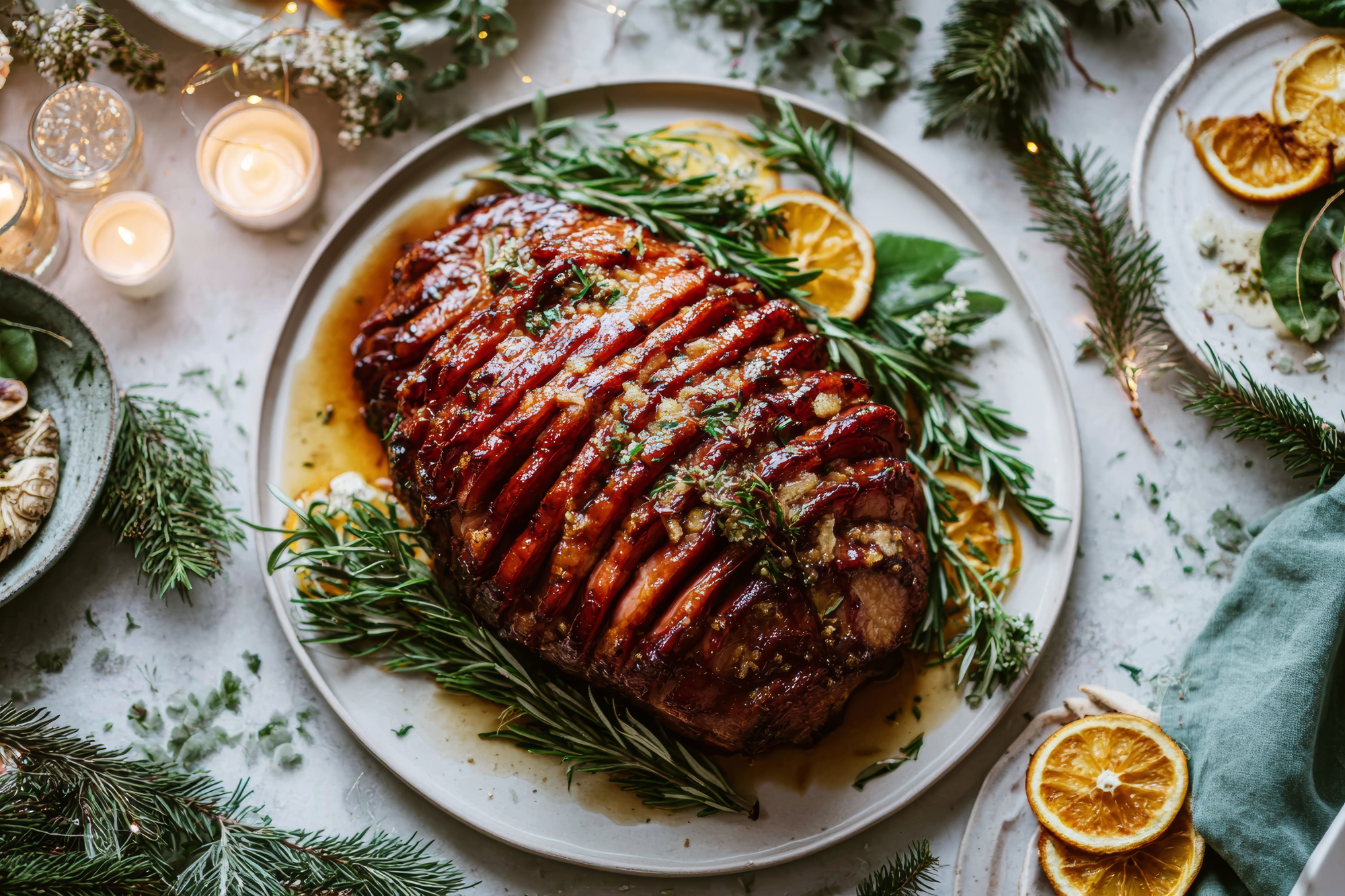
Smoked ham can be the star of any gathering when it is handled with care. The secret is a simple set of steps that add up to big flavor and moisture. Build a pellicle so the smoke clings, manage heat so the meat stays juicy, and finish with a glaze that shines without burning. In this guide from Wilson Farm Meats, we walk you through the process from picking the right ham to carving the final slices. You will learn proven timing, temperatures, and techniques that work on charcoal, pellet, or offset smokers. If you want a smoked ham with deep flavor, steady moisture, and a glossy glaze, read on.
Meet Wilson Farm Meats
Wilson Farm Meats is a family-owned butcher shop in Elkhorn, Wisconsin, with a farming heritage that spans more than 150 years. Our team is dedicated to quality and service, and we believe the best meals start with local, well-raised meats. When you choose a ham or any cut from us, you are getting a true farm-to-table experience rooted in Walworth County. Learn more at wilsonfarmmeats.com and stop in to talk with our butchers about your cooking plans. We are proud to be part of the Elkhorn community and to support home cooks with knowledge, fresh products, and reliable service.
- Pork: Heritage-breed pork from Wilson Prairie View Farms in Walworth County. The flavor stands out in roasts, ribs, bacon, and of course smoked ham.
- Beef: Locally raised and custom cut to your preferences for fresh steaks, roasts, and ground beef.
- Poultry and Seafood: A thoughtful selection to round out your menu and weekly meals.
- Specialty Smoked Meats: Bacon, ham, bratwurst, wieners, summer sausage, liver sausage, and ring bologna, processed in our Elkhorn facility.
We also offer custom processing for locally raised beef, pork, lamb, and veal, plus weekly specials and value boxes. Do not miss our Yearly Pig Sale and seasonal deals that bring more quality to your table for less. Visit us at 406 S. Wisconsin Street, Elkhorn, WI 53121. Store hours: Monday to Friday 8:00 am to 5:00 pm, Saturday 8:00 am to 2:00 pm.
Choose the Right Ham for Smoking
Start by deciding what kind of ham you want to smoke. The type you choose will guide your timing and temperature. Your options fall into three main categories, each with a different path to a juicy result:
Fully cooked city ham: This is the most common option for backyard smoking. It is already cured and cooked, then chilled. Your goal is to add smoke, warm it through, and glaze. Plan on a gentle reheat to 140 F internal.
Fresh ham: This is an uncured pork leg. It behaves like a fresh pork roast. You will season it, smoke it, and cook to doneness. Plan for 145 F internal with a 3 minute rest for a rosy, juicy result.
Country ham: This is a dry-cured ham with a distinct profile. It often needs soaking and can be quite salty. If you are new to smoking ham, start with a fully cooked city ham or a fresh ham from Wilson Farm Meats.
Bone-in vs boneless: Bone-in hams hold moisture well and offer great presentation. Boneless hams slice evenly and are easy to carve. A 7 to 10 pound bone-in ham is ideal for most smokers and families.
Ask the butchers at Wilson Farm Meats to help you select the right size for your smoker and your timeline. We can also help you with trimming, scoring, and advice on wood choices that pair well with our heritage-breed pork.
Pellicle: The Foundation of Flavor and Shine
The pellicle is a thin, tacky layer on the surface of the ham that forms when the exterior dries slightly. A good pellicle attracts smoke and helps glaze cling in a smooth, glossy layer. It is the step that makes your smoked ham look and taste like it came from a craft smokehouse.
- Unwrap and pat dry: Remove packaging and blot the ham dry with paper towels. If it is a fully cooked ham with a rind, trim only excess skin if needed. Leave a thin fat cap for protection and flavor.
- Score lightly: Using a sharp knife, make shallow diagonal cuts in a diamond pattern across the fat cap. Keep cuts about 1/4 inch deep to help the glaze sink in without letting juices rush out.
- Apply a light dry rub: Sprinkle a simple mix of kosher salt, brown sugar, and cracked pepper. For fully cooked hams, go light on salt. For fresh ham, a full dry brine helps seasoning penetrate.
- Air-dry in the fridge: Place the ham on a wire rack over a sheet pan and set it uncovered in the refrigerator for at least 4 hours, ideally overnight. A fan in the fridge can speed this along if needed.
- Check for tackiness: The surface should feel slightly sticky, not wet. That is the pellicle. Move the ham to the counter while you ready the smoker.
This simple step sets you up for even smoke coverage and a clean, glassy glaze later on. It also reduces surface moisture that can steam the ham instead of letting it smoke.
Moisture Retention: How to Keep Ham Juicy
Moisture retention is about gentle heat, proper seasoning, and smart holding. You do not need to drown a ham in glaze or additives to keep it juicy. Focus on technique and the ham will reward you with tender slices.
- Dry brine timing: For fresh ham, season with 1/2 to 3/4 teaspoon kosher salt per pound, plus sugar and spices, 12 to 24 hours in advance. For fully cooked ham, go lighter on salt and focus on sugar and spices to avoid oversalting.
- Use pan drippings: Place the ham on a rack in a shallow pan to catch juices. Add a cup of apple cider or water to the pan to boost humidity. This protects the ham from drying and makes a great base for glaze.
- Low and steady heat: Smoke at 225 to 250 F. Hotter heat risks toughening the exterior and drying the edges before the center warms.
- Fat cap up: Smoke with the fat cap facing up so it slowly bastes the meat as it warms.
- Wrap if needed: If the exterior is getting too dark before you reach your target temperature, tent the ham loosely with foil. This lets heat continue to work without scorching the glaze or the bark.
- Rest with intention: Once you hit the target internal temperature, rest the ham loosely tented for 15 to 20 minutes before slicing. Resting allows juices to settle so every slice is moist.
- Slice across the grain: Cutting across the grain makes each bite more tender and juicy.
The Smoke: Wood, Heat, and Timing
Wood choice shapes the flavor of smoked ham. Fruit woods give a gentle sweetness that flatters pork. Stronger woods add depth but can overwhelm if overused. Match your wood to your taste and your time.
Great wood choices for ham: Apple and cherry are classic for a soft, sweet smoke and beautiful color. Maple adds warmth and a hint of caramel. Hickory brings a strong smoke that many folks love on pork but use it sparingly for fully cooked hams to avoid bitterness.
Target smoker temperature: 225 to 250 F. Keep your heat steady. Use a reliable thermometer and avoid constant lid opening. Let the smoker do its work.
- Fully cooked city ham: 2 to 3.5 hours for a 7 to 10 pound ham at 225 to 250 F. Pull at 135 to 138 F internal. Glaze and return to set the glaze, then finish at 140 F internal.
- Fresh ham roast: 3.5 to 5.5 hours depending on size at 225 to 250 F. Pull at 145 F internal and rest for 3 minutes. For a pulled texture, you can take it to 195 to 203 F, but that is a different style than a classic glazed sliced ham.
- Boneless ham: Slightly faster cooking than bone-in. Watch temperature rather than time.
Glaze That Shines Without Burning
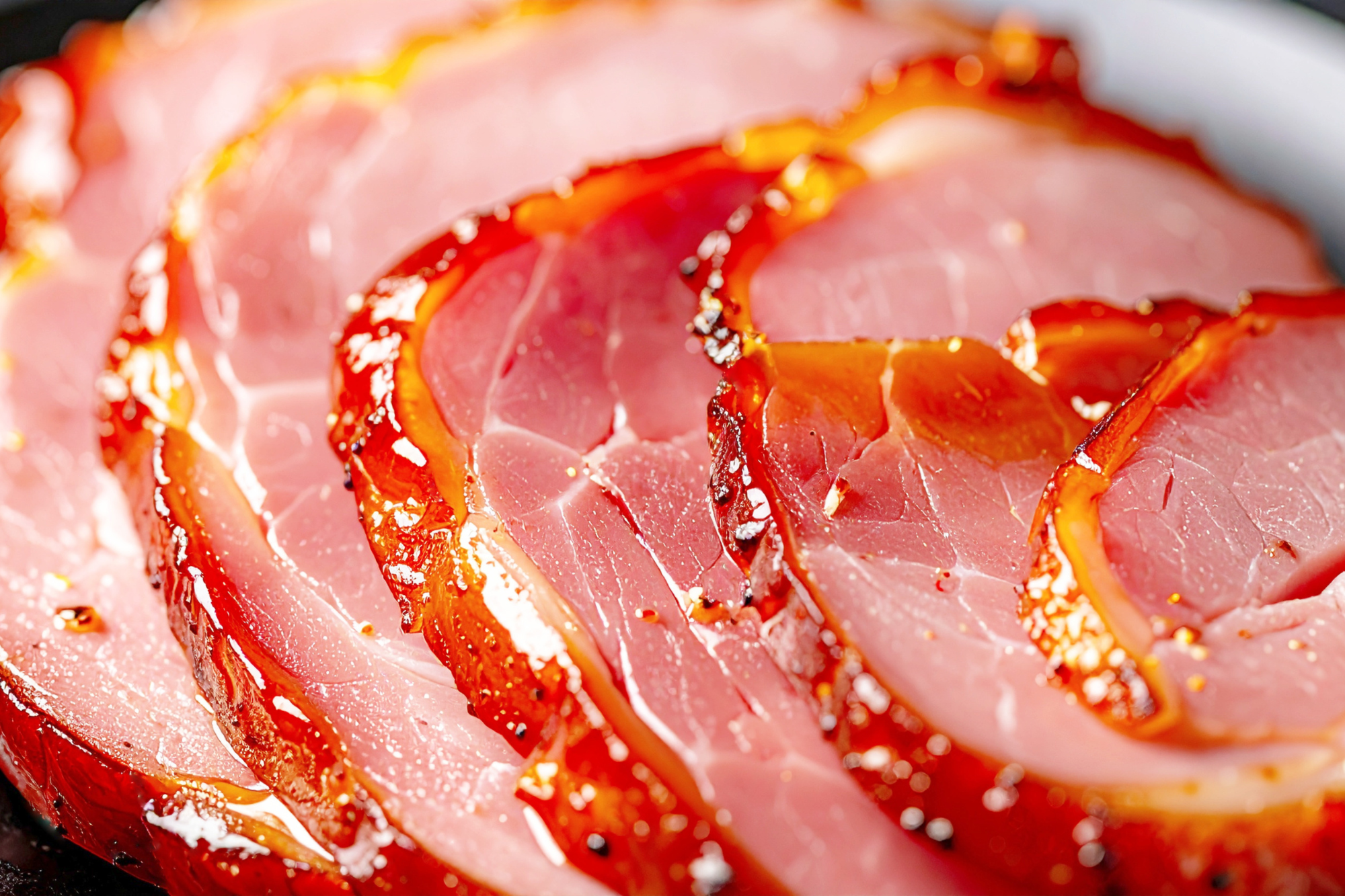
A great glaze brings color, shine, and a little sweet tang to balance the smoke. The trick is timing. Too early and sugar scorches. Too late and it will not set. Layer your glaze in the final 30 to 40 minutes.
- Mix the glaze: In a small saucepan, simmer 1 cup brown sugar, 1/2 cup honey, 2 tablespoons Dijon mustard, 2 tablespoons apple cider vinegar, 1 teaspoon ground clove, and the zest and juice of half an orange. Cook 5 minutes until glossy.
- First coat: When the ham is about 15 degrees from your target internal temperature, brush on a thin coat of glaze. Close the smoker for 10 minutes.
- Second coat: Brush a second thin layer. Thin coats set better than thick ones.
- Final set: Once you hit the target internal temperature, brush a final coat and let it set 5 to 10 minutes with low heat or residual heat.
- Flavor twists: Swap honey for maple syrup for a maple ham. Add crushed pineapple and a splash of pineapple juice for a tropical note. Stir in chipotle powder for a gentle heat. Use cherry preserves for a deep red sheen and fruit-forward flavor.
Step-by-Step: Smoked Ham From Start to Finish
- Shop with purpose: Visit Wilson Farm Meats in Elkhorn and choose a 7 to 10 pound bone-in fully cooked ham or a fresh ham. Ask our team for wood pairing and trimming tips.
- Prep the ham: Unwrap, pat dry, trim any thick rind if needed, and score the fat in a diamond pattern.
- Season lightly: For a fully cooked ham, use brown sugar, a touch of kosher salt, cracked pepper, and warm spices like cinnamon and clove. For a fresh ham, use a balanced dry brine with salt and sugar 12 to 24 hours ahead.
- Build the pellicle: Place the ham on a rack and refrigerate uncovered for at least 4 hours, overnight preferred. The surface should feel tacky.
- Ready the smoker: Preheat to 225 to 250 F. Use apple or cherry wood for a smooth smoke.
- Set the ham: Place the ham fat cap up on the smoker. Insert a probe into the center away from bone to track internal temperature.
- Maintain clean smoke: Thin blue smoke is ideal. Excessive white smoke can taste bitter.
- Baste with pan juices: If using a drip pan, spoon juices over the ham halfway through. This helps color and moisture without washing off the pellicle.
- Glaze in layers: When the internal temperature is close to your goal, apply thin coats of glaze every 10 minutes to build a shiny shell.
- Finish and rest: Pull the ham at the right internal temperature. Fully cooked ham finishes at 140 F. Fresh ham for slicing at 145 F with a short rest. Tent loosely and rest 15 to 20 minutes.
- Carve and serve: Slice across the grain in even slices. Offer extra warmed glaze on the side.
- Enjoy the moment: Serve with simple sides like roasted carrots, mashed potatoes, or a crisp salad so the ham remains the hero.
Troubleshooting and Expert Tips
- Exterior getting too dark: Tent with foil and lower the pit temperature slightly. Resume glazing near the end.
- Glaze burning: Thin the glaze with a splash of cider and apply thinner coats. Keep heat under 275 F while setting.
- Ham tastes too salty: For fully cooked ham, choose a rub with little to no extra salt. Serve with unsalted sides like glazed carrots and mashed potatoes to balance.
- Not enough smoke flavor: Make sure you formed a good pellicle and used wood chunks rather than chips if running a charcoal smoker. Allow more time in the smoke before glazing.
- Dry slices: Pull at the correct internal temperature and rest properly. Slice thinner and across the grain. Serve with pan jus or a light pan gravy.
- Uneven heating: Rotate the ham halfway through if your smoker has hot spots.
- Holding for guests: Rest, then wrap in foil and hold in an empty cooler lined with towels for up to 1.5 hours.
- Reheating leftovers: Warm slices covered at 300 F with a splash of broth until just heated. Do not boil or microwave on high or you risk drying out the meat.
Serving, Leftovers, and Pairings
Smoked ham is versatile, so think beyond the first meal. The right sides and smart leftovers turn one cook into several great dishes.
- Simple sides: Buttered green beans, roasted sweet potatoes, creamy slaw, or a tangy apple salad.
- Sandwiches: Pile sliced smoked ham on a fresh roll with mustard, pickles, and Swiss cheese.
- Breakfast: Fold diced ham into omelets or serve with pancakes and maple syrup.
- Soup and beans: Simmer a ham bone with navy beans, onions, and carrots for a hearty pot of soup.
- Pasta bake: Toss chopped ham with peas, cream, and pasta, then bake with breadcrumbs.
Order and Visit Wilson Farm Meats
If you are planning a smoked ham, start with quality pork. Wilson Farm Meats offers heritage-breed pork from our own Wilson Prairie View Farms. Our team can help you choose the right ham, explain trimming and seasoning, and guide you on timing for your smoker. Visit us in Elkhorn at 406 S. Wisconsin Street, Elkhorn, WI 53121. Hours are Monday to Friday 8:00 am to 5:00 pm and Saturday 8:00 am to 2:00 pm. Check wilsonfarmmeats.com for weekly specials and value boxes. Ask about custom processing, our selection of smoked sausages, and annual events like our Yearly Pig Sale. We are here to help you enjoy the craft of cooking and the comfort of sharing good food with family and friends.
FAQ: Quick Answers About Smoked Ham
- How much smoked ham do I need per person? Plan on 3/4 pound per person for bone-in ham or 1/2 pound per person for boneless ham, more if you want leftovers.
- What internal temperature should I aim for? For a fully cooked ham, warm to 140 F. For fresh ham, cook to 145 F and rest for 3 minutes before slicing.
- Should I remove the rind? Trim only thick or tough skin. Leave a thin fat cap to protect the meat and keep it moist during the smoke.
- What wood is best for smoked ham? Apple and cherry are gentle and sweet. Maple adds warmth. Hickory is stronger and great in moderation.
- Do I need to brine? Fully cooked ham does not need a wet brine. A light dry rub is enough. Fresh ham benefits from a dry brine 12 to 24 hours ahead.
- When do I glaze? Glaze in the final 30 to 40 minutes, applying two or three thin coats and letting each set before the next.
- Can I smoke ham on a pellet grill? Yes. Set 225 to 250 F and use fruitwood pellets. Follow the same timing and glazing steps.
- How do I get a shiny glaze? Build a pellicle first, use thin glaze layers, and let each layer set. Avoid high heat that can dull or scorch the glaze.
- What if my ham is spiral sliced? Go easy on heat and time since spiral hams warm faster. Shield exposed edges with foil to prevent drying. Glaze gently.
- Where can I buy quality ham in Elkhorn? Visit Wilson Farm Meats for locally raised pork, helpful service, and expert advice. We are proud to serve Elkhorn, Walworth County, and the surrounding communities.
Bring Home a Ham Worth Celebrating
Great smoked ham is about patience, simple technique, and well-raised pork. Build a pellicle so smoke and glaze cling. Keep your heat low and steady to protect moisture. Finish with a balanced glaze that shines. Whether you are cooking for a holiday or a Sunday family meal, Wilson Farm Meats is here with quality meat, friendly guidance, and everything you need to make your table shine. Stop in, meet our team, and let us help you plan a smoked ham that will have everyone coming back for seconds.